
“I’ve lost count of how many roofs I’ve stood on across Scotland, and one thing never changes every installer has a slightly different opinion on panel choice for Solar Panels Scotland projects. But strip away the sales talk, and the right decision usually comes down to just a few real criteria, all shaped by the same stubborn fact our Scottish climate doesn’t behave like the rest of the UK’s. Panel efficiency matters far more here than it does somewhere sunnier, because cloudy conditions aren’t the exception, they’re the default for most of the year. What you actually want is panel performance that holds up year round.
Warranties and Manufacturer Trust
Then there’s the house itself. Scottish homes range from a traditional sandstone terrace in the New Town to a converted tenement flat above a shop, and each of them raises its own questions about roof types and how a system will look on street facing roofs. If you happen to live in a conservation area, this stops being just a technical decision panel aesthetics become part of the conversation, because nobody wants a system that clashes with the character of visible roofs on a listed street. I’ve had sandstone terrace owners tell me the look mattered to them almost as much as the output, and honestly, I don’t blame them.
Before you sign anything, dig into the paperwork. Manufacturer confidence shows up there long before it shows up on your roof check both the product warranty and the performance warranty, and don’t skip past the fine print. A longer warranty length is usually a quiet signal of genuine panel reliability.
Working with one of the well established manufacturers, backed by a solid UK supply chain, also means replacements are far easier to track down years later if something ever needs swapping out. Warranty confidence and brand quality tend to travel together in my experience, and a cheap panel with thin warranties rarely ages well once a proper Scottish winter starts working on it.
Real World Efficiency in Scotland’s Weather
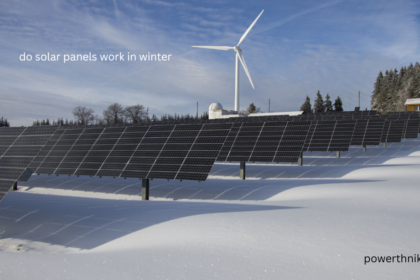
But here’s the part most brochures gloss over what really counts is how a panel behaves on an ordinary grey Scottish day, not inside a lab running artificial test conditions. Real world efficiency in low light conditions tells you far more than any spec sheet ever will, simply because our short daylight hours in winter, paired with near constant overcast days, mean direct sunshine is the exception rather than the rule.
Most of the light that actually reaches a Scottish roof arrives as diffuse light, filtered through thick cloud cover so a panel’s durability and reliability through those overcast conditions is really what decides whether your solar panels Scotland earn their keep.
At the end of the day, good installer support, a dependable supply chain, and honest warranties matter almost as much as the hardware itself. Weigh up the climate realities across Scotland and the wider UK, and give your Scottish home a system that’s actually built with those realities in mind not one designed for a showroom in the south of England.
Solar Panels Scotland Efficiency and Panel Types
Not every panel sold in Scotland deserves a spot on a Scottish roof, and the gap between options runs deeper than the price tag suggests. That’s the whole idea behind the monocrystalline cell, which has become the modern standard for a reason. Production starts with pure silicon melted down in a crucible, a seed crystal lowered in and slowly drawn out through extraction until it forms one continuous giant crystal.
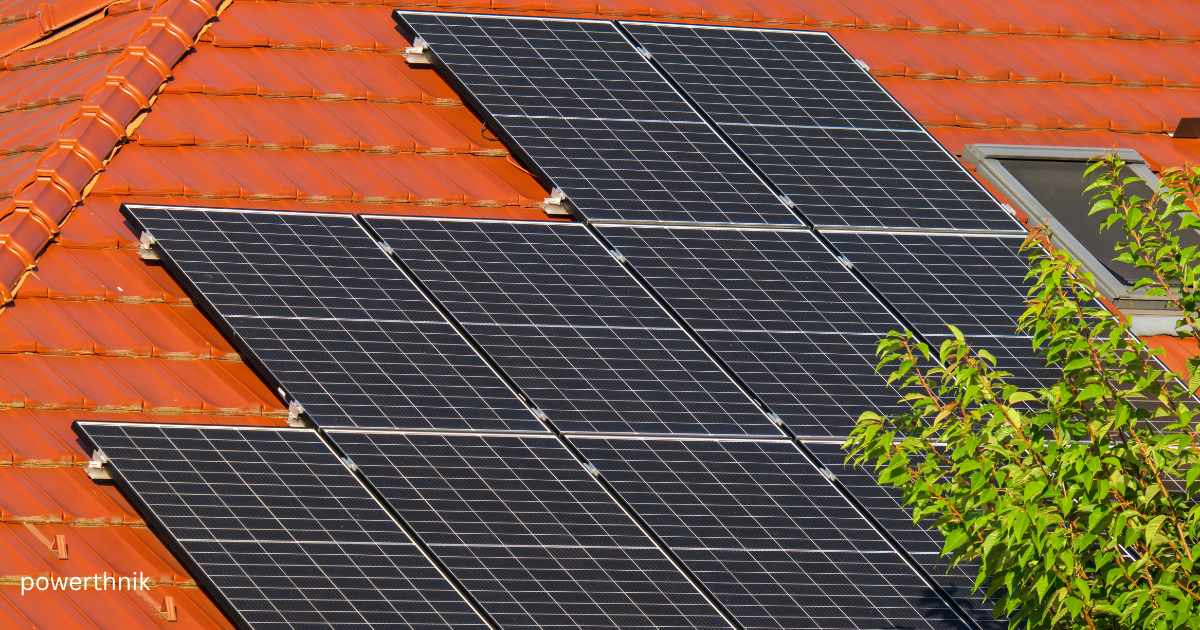
The resulting ingot blocks get sliced into finished solar cells that look rigid, uniformly black color or a deep dark blue color, with an orderly structure and none of the visible flecks you’d see elsewhere. Yes, it’s more refined and more expensive to produce, but monocrystalline panels pay that cost back through higher efficiency and a genuinely longer working life.
Polycrystalline Panels How They’re Made
Polycrystalline cell technology tells a different story. You’ll recognize it instantly by the familiar blue flakes and blue speckled appearance, occasionally even an Emerald version, because it’s built from fused silicon fragments rather than grown as a single piece.
The manufacturing process starts with silica sand and carbon melted together inside an electric arc furnace alongside coal, then crushed into powder, mixed with hydrogen chloride, converted into gas, and purified through distillation to strip out impurities before settling onto rods inside a reactor eventually forming raw silicon that gets cut into thin sheets rather than the single continuous piece used in thin film types. Those crystal joins, essentially crystal boundaries left where each fragment meets the next, create real defects, so crystalline types made this way suffer noticeable efficiency loss.
They stay cheap enough for hobby electronics and small IC “I’ve lost count of how many roofs I’ve stood on across Scotland, and one thing never changes every installer has a slightly different opinion on panel choice for Solar Panels Scotland projects. products, which is exactly where you’ll still find them but for houses, most Scottish installers now treat polycrystalline panels as an older generation, largely phased out somewhere between 2018 and 2020 as the industry standard shifted firmly toward mono.
Thin Film Panels and Why Mono Still Wins
Then there’s a third category worth knowing about, even if it rarely applies to your own roof. Thin film panels use amorphous silicon, recognizable by its brown color and a random structure with no real orientations among the atoms. You’ve probably already seen this kind of thin film types cell without realizing it inside a calculator, a garden light, or occasionally as flexible thin slices fitted to curved roofs, boats, or vans, thanks to being lightweight, flexible, and able to handle unusual surfaces no rigid panel ever could. It’s a good fit for industrial rooftops and commercial rooftops, but its shorter lifespan and lower efficiency rule it out for typical domestic roofs, where space constraint makes it the wrong choice for most domestic installations.
Add it all up, and mono simply wins for Scottish homeowners. Higher efficiency, better aesthetic advantages, and a smaller physical size for the same output all matter when roof space is tight which describes most south facing roof properties across the country. At Thermal Care Scotland, and among installers who take Scottish roof aesthetics seriously, all black finishes on monocrystalline panels have quietly become the default over older technologies, sitting now on the majority of homes we quote for.
Comparing Solar Panels Scotland Quotes the Right Way
They cope with temperature variation and diffuse light conditions far better than a polycrystalline cell ever could even on a grim overcast February afternoon, when light levels drop and every square meter has to earn its place. That difference in panel types shows up clearly on the generation meter, and it’s part of why electricity yields from mono installs still beat the cheaper per panel option once you factor in needing extra panels to match the same less efficient output.
So when you’re comparing quotes, ask what solar panel technology actually sits behind the number a lower efficiency alternative dressed up with a nice price rarely survives contact with a real Scottish winter on Scottish homes. None of this means you should ignore the numbers your installer hands you, though.
Get more than one quote, ask each installer to explain their reasoning in plain terms, and don’t be shy about asking what would happen on a genuinely bad week of weather, not just an average one. A good installer will happily walk you through worst case generation figures alongside the best case ones, because that honesty tells you far more about how the system will actually perform once it’s bolted to your roof and facing a real Scottish year.
Solar Panels Scotland The Case for Monocrystalline
Choosing mono means choosing strong warranties built on an actual track record, not just marketing confidence with nothing solid underneath it. Established manufacturers stand behind these cells because decades of use across traditional properties and new builds alike have already proven their reliability which is exactly why conservation areas now see so many discreet all black arrays going up without a single complaint.
A discreet appearance and a genuinely cleaner appearance than older panel styles make a real difference on a listed building, in a way no spec sheet ever quite captures. The money side holds up just as well. Sure, the higher cost and upfront cost sting a little more than the budget alternatives, but look at lifetime value instead of the price tag alone and the story changes completely.
Mono handles overcast conditions and low light conditions far better than older panel technologies, which matters enormously given how common modest roof sizes are on Scottish streets. Squeeze more electricity out of every square meter, and monocrystalline panels simply pay for themselves faster than anything built to yesterday’s standard.
Conclusion
At the end of it all, choosing the right solar panels Scotland homeowners can actually rely on comes down to matching the technology to the weather we really get, not the weather we wish we had.
Monocrystalline panels earn their place as the smart default here because they handle our grey days, our tight roof spaces, and our unpredictable winters better than anything else on the market. Polycrystalline and thin film have their own uses, but for most Scottish roofs, they’re no longer the sensible choice.
FAQs solar panels Scotland
1. Are solar panels Scotland homeowners install worth the investment?
Yes, solar panels Scotland homeowners install can provide long term savings on electricity bills while reducing carbon emissions. They also perform well throughout the year, even in cloudy conditions.
2. How much do solar panels Scotland cost?
The cost of solar panels Scotland depends on factors such as system size, roof type, installation complexity, and whether you include battery storage.
3. Do solar panels Scotland work in cloudy weather?
Yes. Solar panels Scotland continue generating electricity on cloudy days because they use daylight rather than direct sunshine to produce power.
4. Can I get grants for solar panels Scotland?
Some homeowners may qualify for grants, loans, or government backed schemes that help reduce the upfront cost of installing solar panels Scotland.
5. How long do solar panels in Scotland last?
Most solar panels in Scotland have a lifespan of 25 to 30 years or more and require very little maintenance to keep performing efficiently.
6. Do I need planning permission for solar panel installation in Scotland?
In most cases, solar panel installation in Scotland does not require planning permission, although listed buildings and conservation areas may have additional requirements.
7. Can solar energy in Scotland power my home during winter?
Yes. Solar energy in Scotland is still generated during winter, although shorter daylight hours mean lower electricity production than in summer.
8. Should I install a battery with Scotland solar panels?
Adding a battery to Scotland solar panels allows you to store excess electricity for later use, increasing energy independence and helping lower your electricity bills.