
Before you buy any panels or a pump, it helps to understand the two basic ways a water pump for solar system can be built. The setup you choose depends on how much water you need, when you need it, and whether cloudy days are a dealbreaker for your operation. Here’s how the two options compare.
Water Pump for Solar Direct vs Battery-Based Systems
1. Water Pump for Solar Direct
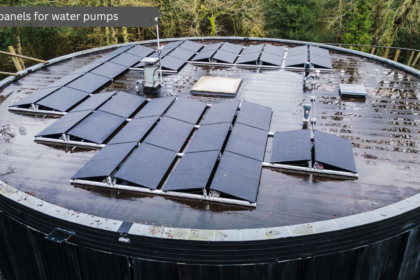
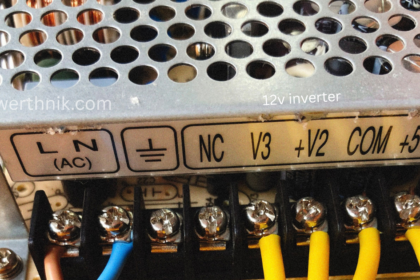
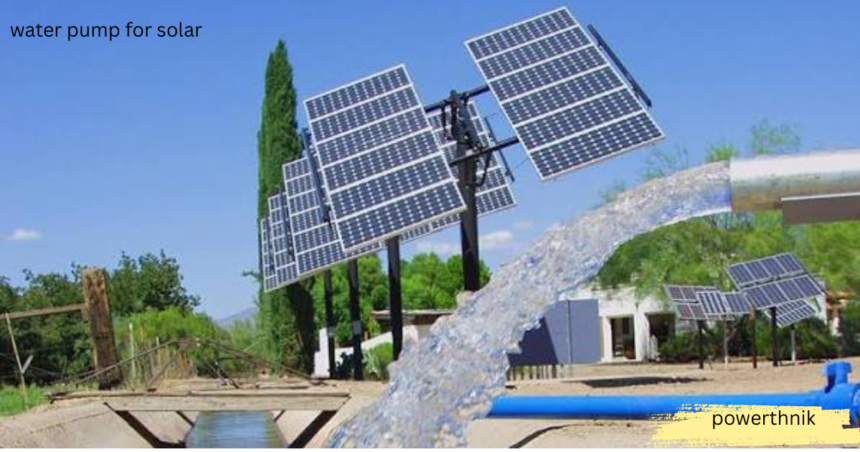
Sizing a solar water pump system comes down to balancing cost against reliability. Some people oversize their system, buying more panels and batteries than they don’t need, while others cut corners and watch the pump stall during peak irrigation season. Planning your power needs with real numbers, instead of guessing, saves both money and stress later on. Direct solar power is the simplest setup for a water pump for solar PV modules send power straight to a charge controller, then to the pump motor, with no storage in between. This works well for watering gardens and filling livestock troughs, but it only runs in daylight hours.
Take a 500W pump running four hours a day. With five sunlight hours, that’s 2,000Wh/day. Most installers size the panel around 400W, though 500 600W is safer since it accounts for cloudy stretches and gradual panel aging. Cloudy days stop a no-backup system fast.
2. Battery-Based Systems
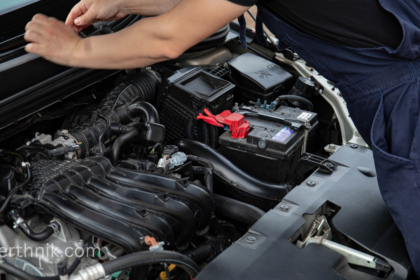
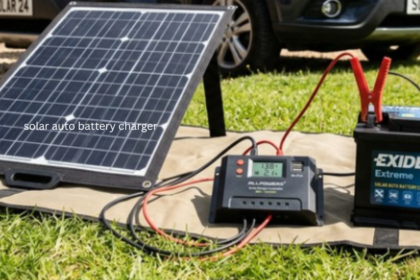
A battery bank solves this problem for a 2,000Wh/day load, plan for a 2,000Wh (2kWh) battery. To convert that to amp-hours, divide watt-hours by voltage: 2,000Wh ÷ 12V = about 166 amp-hours at 12V.
Choosing the Right Water Pump for Solar
Start by checking your energy demand every submersible pump has a power rating in watts, and this number shapes your entire system. Choosing the wrong size water pump for solar setups is the biggest mistake people make, and it usually leads to an expensive rewire down the road.
Head is the height the pump lifts water against as flow rises, head drops. Suction lift matters when the water source sits below the pump, which is common with deep wells; some pumps aren’t self priming and must sit fully submerged to work at all.
Horizontal distance matters too thin wire over long runs causes voltage drop, so size your cable to match the distance involved. Wider pipes also help cut down friction loss over long horizontal stretches. Getting the power requirement right the first time, by checking both the daily Wh figure and your baseline wattage, avoids a costly rewire later.
Understanding Water Pump for Solar Characteristics
Pump curves predict performance before you even start higher pressure means lower flow, and lower pressure means higher flow. Understanding this trade-off helps you match a water pump for solar setup to your actual head and flow needs, rather than picking one based on price alone.
Surface Pumps
Surface pumps sit above ground, which makes them easy to service. At sea level, the max suction lift is about 7.5m. Add pipe friction to your suction and discharge measurements to get the total dynamic head the real number that determines correct pump sizing.
Solar Garden Pumps
These run fountains with no mains wiring or transformers needed just a solar water pump and sunlight. Brighter light means stronger flow, and installation is simple plug-and-play with no permits required in most areas.
Kit Overview Unboxing
The Turnkey Kit adds well seals, drop rope, mounting pipe, concrete, and a ground rod for lightning protection, so nothing extra needs to be sourced separately.
Turnkey Kit Contents
Kits ship with 100 to 300 feet of poly pipe, dual jacketed submersible wire, a safety rope, and stainless steel fittings that keep every connection watertight and corrosion resistant at any depth. Longer kits simply match the sensor wire length to your specific well depth.
Tools & Site Planning
You’ll need basic wrenches, pliers, a screwdriver, a pipe cutter, a torch or heat gun, a multimeter, a shovel, and a sledgehammer. Most of these tools are probably already sitting in a typical toolbox.
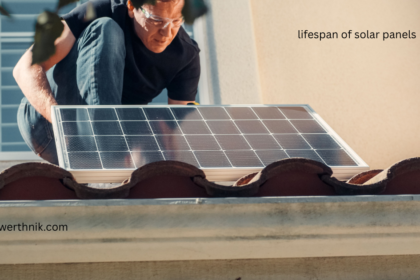
Pick a sunny spot facing south, clear of shade, since even partial shade noticeably cuts power output. Dig a 30 inch hole for the mounting post and set it with concrete a day ahead of installation, giving it time to fully cure before the panels go up.
Installation Steps
Step 1: Splicing & Plumbing
Match wire colors, crimp and heat shrink each connection, then wrap everything with electrical tape. Thread the barb into the pump outlet with Teflon tape and attach the poly pipe, double checking every joint before lowering anything into the well.
Step 2 Mounting Solar Panels
Test the pump in a bucket first to catch any wiring problems early. Mount the panels, attach the controller, and connect the ground clamp before wiring everything down, which saves rework later.
Step 3 Wiring the Controller
Wire two or four panels in series for an RPS 200 or RPS 400. For an RPS 800, split the panels into two parallel chains of four never wire eight panels in series, since that pushes voltage too high for the controller to handle safely.
Step 4 Testing Final Setup
Run the bucket test, install a ground rod, and set up the low well and tank full sensors. Lower the pump with two people for safety, taping wire slack every 10 to 20 feet, and tie a safety rope at the top in case the drop pipe ever fails.
Water Pump for Solar: Final Thoughts
How many panels you need really comes down to simple math. A small pump needs only two or three panels with a good controller, while large farms need 10 or more panels plus batteries, with extra buffer built in for worst case days.
A well built water pump for solar gives real independence it saves money, protects the planet, and keeps clean water flowing every single day, rain or shine.
FAQs Water Pump for Solar
What size water pump for solar do I need for a small garden?
Most small gardens only need a 200 400W solar setup, since flow demand stays low. A basic kit with a single panel usually covers the job.
Can a solar pump work without batteries?
Yes, it can run straight off solar panels during daylight hours. This direct setup skips batteries entirely, though it stops working after sunset.
How long does a water pump for solar system last?
A quality system, like an RPS Turnkey Kit, can run for many years with little maintenance. Choosing the right size upfront is the key to long term reliability.
Do I need a permit to install a solar pump?
Most residential and farm installations don’t require a permit, especially for garden or livestock use. Always check local rules before digging or mounting panels.
What happens on cloudy days?
A direct solar setup with no battery will slow down or stop on cloudy days. Adding a small battery bank keeps water flowing even without full sun.
How much does a water pump for solar cost?
Costs vary by pump size, panel count, and kit type, ranging from a few hundred to several thousand dollars. Turnkey kits usually cost more upfront but save time and hassle during installation.
Can I install the system myself?
Yes, most kits are designed for DIY installation using basic tools like wrenches, pliers, and a shovel. Most setups take under two hours with two people.
Do solar pumps need maintenance?
Helical pumps are field repairable and built for long life, while centrifugal pumps have no wear parts. Routine checks on wiring, seals, and connections keep the system running smoothly.