Power cuts, campsites and long road trips all have one thing in common: you need electricity where the grid does not reach. A portable solar module solves that problem by turning sunlight into usable power you can carry in your boot. In this guide, I explain how a portable solar module works, which specs really matter, and how to pick one that suits life in the UK or the US.
What Is a Portable Solar Module and How Does It Work?
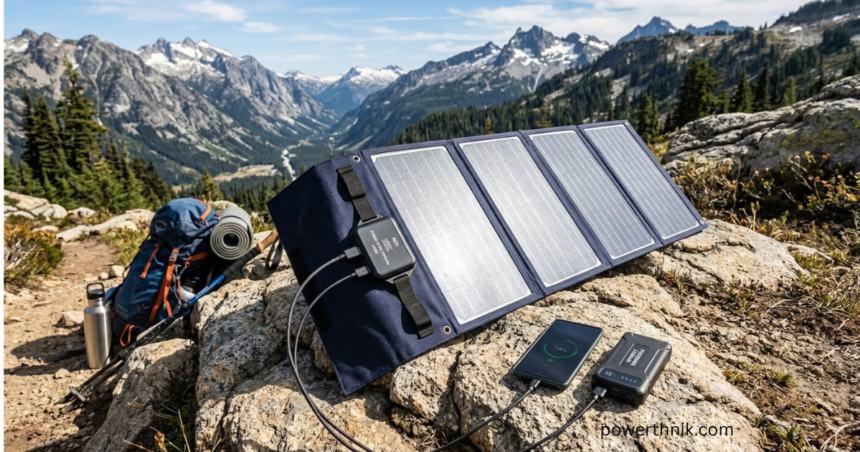
A portable solar module is a foldable solar panel built for travel. Unlike a rooftop system, you set it up in minutes, point it at the sun and plug it into a power station or a battery. Most people use a portable solar module to charge phones, laptops, lights, small fridges and even drones when they are away from the mains. There is no fuel, no noise and no fumes, which is why it beats a petrol generator on a quiet campsite.
Key Parts Inside the Panel
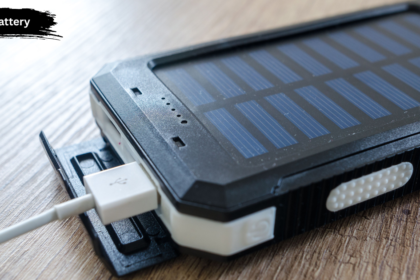
Every panel has solar cells, a protective surface, a junction box and a cable. Most use an MC4 connector, so you often need a small adapter cable to reach your power station. Some models add USB ports on the back, which lets you charge a phone straight from the panel. When I shop for a portable solar module, I always check the connector type first, because a wrong plug can waste a whole weekend.
Watts, Volts and Efficiency Explained
Watts tell you the maximum power. A 200 W panel rarely gives 200 W in real life, so expect around 150 to 170 W under a clear sky. Voltage must match your power station’s input range, so read the manual before you buy. Efficiency shows how much sunlight becomes power, and a figure near 23 percent is strong for a portable solar module. Higher efficiency means more power from a smaller panel, and that matters when you have to carry it.
How to Choose the Right Portable Solar Module for the UK and US
Choosing a portable solar module starts with your daily energy use. Add up the watt-hours your devices need, then pick a panel that can refill that amount in about five sun hours. UK buyers should plan for shorter, cloudier days, so a bigger panel makes sense. In sunnier US states such as Arizona or Texas, a smaller portable solar module can do the same job.
Size, Weight and Portability
Folded size and weight decide whether you actually take the panel with you. A 200 W folding panel often weighs about 17 lb and folds down to the size of a laptop bag. Flexible panels are lighter, but they usually sit on a roof rather than on the ground. Before I buy a portable solar module, I fold it, lift it and imagine carrying it 50 feet from the car. Look for kickstands, a carry handle and a case, because they make daily setup far easier.
Weather Ratings: IP65 vs IP68
An IP65 rating protects against dust and light rain, but it does not survive heavy downpours. IP68 panels handle far more water, so they suit boats and rooftops. Even so, unplug and dry any panel when the weather turns bad. Rain also cuts output, so never judge a portable solar module on one grey day alone.
Matching the Panel to Your Power Station
Check your power station’s maximum solar input in watts and volts. A 200 W panel suits stations up to about 1,000 Wh. Bigger batteries charge slowly with one panel, so connect two panels in parallel or choose a 400 W set. Leave a small safety margin so the station never gets overloaded.
Best Ways to Use a Portable Solar Module
The best use of a portable solar module is anywhere power is hard to get. Campers, van lifers and RV owners use one daily, while hikers carry a small panel for phones and GPS units. Boat owners fold one out on deck to keep batteries topped up. Homeowners also keep one as a backup for storms and grid failures, and that makes a portable solar module a smart, low-cost safety net.
Camping and RV Trips
Park in open sun, tilt the panel toward the south (in the northern hemisphere) and move it every couple of hours. Keep cables short to reduce power loss, and keep the power station in the shade so it stays cool. Tilting alone can lift output by 20 to 30 percent. That simple habit adds hours of extra charging, and a good portable solar module rewards the small effort.
Home Backup and Power Cuts
During an outage, run lights, a router and phone chargers from a power station. This setup will not run an electric oven or a heater, but it keeps you connected and safe. Store the panel somewhere dry and easy to reach before storm season begins.
Final Thoughts
A portable solar module gives you quiet, clean and reliable power almost anywhere. Focus on real output, connector type, weather rating and weight, and you will choose well. Clean the surface with a soft cloth, store the panel flat and check the cables each season.
FAQs
How much does a portable solar module cost in the UK and US?
Expect to pay around £150 to £300 or $150 to $350 for a good 200 W folding panel. Cheaper ones exist, but they often overstate their output. Pay more for better efficiency, a sturdy build and a clear warranty.
How many watts do I need?
For phones and lights, 50 to 100 W is enough. For a weekend of camping with a laptop and a small fridge, choose 200 W. Larger power stations need 400 W or more.
Does a portable solar module work on cloudy days?
Yes, but at a lower level. On a fully cloudy day, a 200 W panel may give 20 to 40 W. That is still useful for phones, though it will not fill a big battery.
Is a 200 W panel enough for camping?
For most weekend trips, yes. A 200 W panel can add about 600 to 800 Wh on a sunny day. If you run a fridge or a CPAP machine, take a second panel.
Are folding solar panels waterproof?
Many are splash-proof, not fully waterproof. IP65 handles light rain, while IP68 handles heavier exposure. Always keep connectors dry and bring the panel inside in a storm.
How long does a portable solar module last?
With good care, the panel lasts 10 to 25 years, though output drops slowly each year. Hinges and cables usually wear out first, so fold gently and store it dry.