A solar water feature can bring movement, gentle water sounds, and natural beauty to an outdoor space without needing a permanent mains electricity connection. Whether you have a small UK patio or a spacious American backyard, the right design can make your garden feel more welcoming. Before buying one, consider sunlight, pump strength, materials, water capacity, and maintenance so your chosen fountain suits your space.
What Is a Solar Water Feature?
A solar water feature uses energy from sunlight to operate a small water pump. A photovoltaic panel converts daylight into electricity, allowing water to move through a fountain, bowl, cascade, or decorative ornament. Some models work only while the panel receives enough light, while battery-backed versions store energy for later use.
These garden decorations come in many shapes and sizes. You can choose a compact bird bath fountain, a traditional stone-effect design, a modern sphere, or a multi-level cascade. Most self-contained models need only a suitable location, clean water, and basic assembly, making them convenient for homeowners who want an attractive garden without complicated electrical work.
Find a Fountain Design That Matches Your Outdoor Space
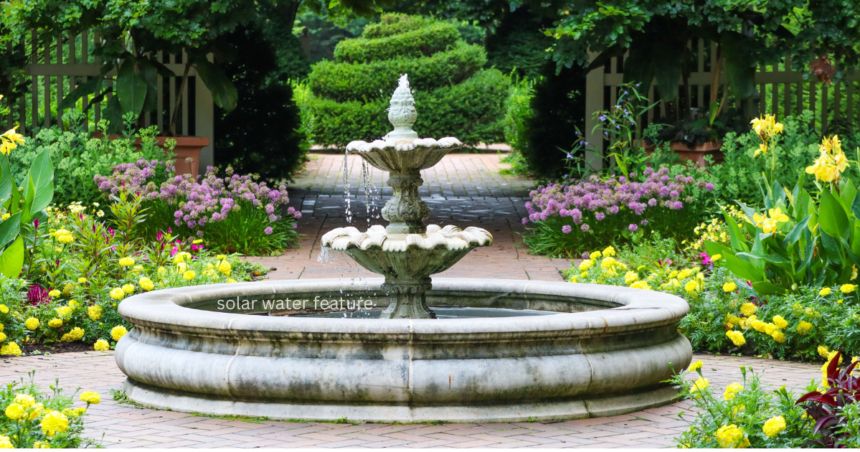
The best design should complement your outdoor space rather than overwhelm it. A small courtyard may look better with a ceramic bowl or a compact bubbling fountain, while a larger lawn can accommodate a tiered structure with water flowing between several levels. Natural stone finishes suit traditional gardens, whereas stainless steel and geometric designs create a more contemporary appearance.
A solar water feature can also provide a useful source of drinking water for visiting birds when designed as a suitable bird bath. Choose a shallow basin with stable edges and keep the water clean. If you prefer a decorative focal point, consider a resin ornament, a bamboo-inspired cascade, or a fountain with a frog or bird sculpture.
Understand Solar Panels and Pump Performance
The pump determines how water moves around your fountain. A small pump may be suitable for a bird bath, but a taller cascade generally needs more power and a suitable flow rate. Check the manufacturer’s recommended fountain size and maximum pumping height before choosing a model.
An integrated panel keeps the design neat because the panel and pump sit together. However, the entire unit must receive sufficient sunlight. A separate solar panel offers greater flexibility because you can position the fountain in a decorative location and place the panel in a brighter area, provided the connecting cable reaches safely.
Find the Best Position for Sunlight
Sunlight is one of the most important factors affecting performance. Before installing your fountain, observe how sunlight moves across your garden during the day. Trees, fences, walls, and buildings can cast shadows that reduce the amount of electricity available to the pump.
Place the panel in an open position where it can receive strong daylight. In the UK, changing weather and shorter winter days may reduce water flow, while gardens in sunnier parts of the United States may receive longer periods of useful sunlight. A solar water feature with a separate panel can help when the display itself needs to sit in partial shade.
Decide Whether You Need Battery Backup
A direct-solar fountain normally depends on current sunlight, so its water flow can weaken when clouds cover the panel. It may stop completely at dusk. This option can work well for people who mainly enjoy their garden during bright daytime hours.
Battery-backed models store some of the electricity generated by the panel. Depending on battery capacity, sunlight, and pump settings, stored power may allow operation during cloudy periods or after sunset. If evening use matters, check the stated runtime and charging requirements rather than assuming every model works at night.
Keep Water Clean and Protect the Pump
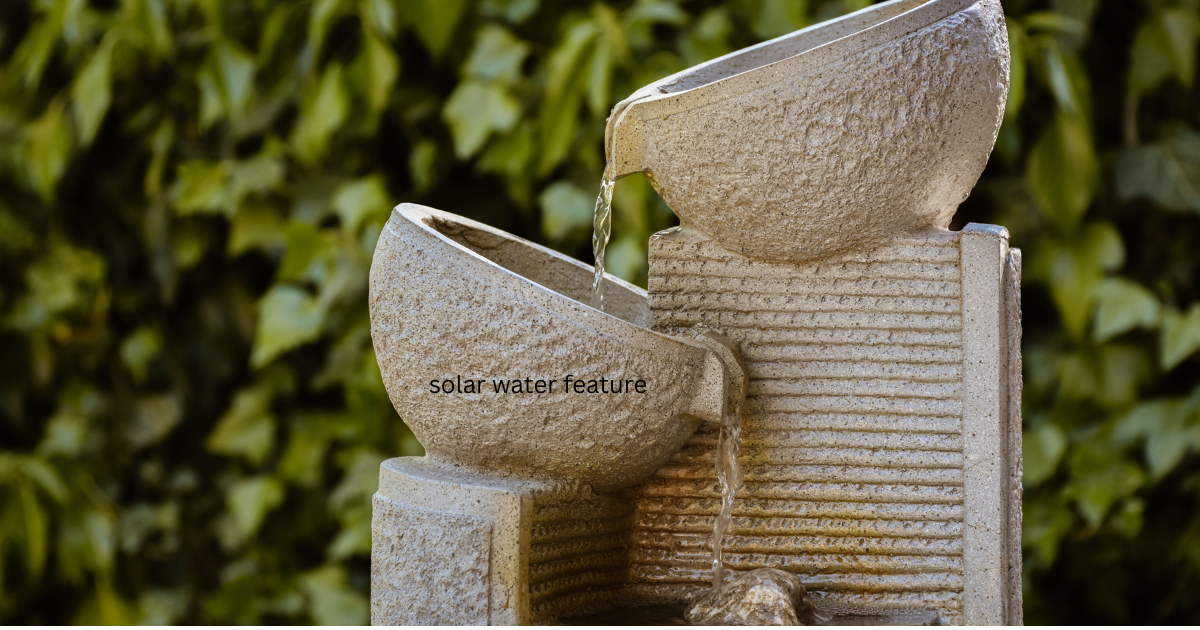
Regular care helps a fountain work smoothly. Leaves, dust, algae, and small pieces of debris can block the intake or filter, reducing water circulation. Switch off the pump before cleaning it, follow the manufacturer’s instructions, and remove debris from the basin and filter.
During warm or breezy conditions, inspect the basin often and refill it whenever the water drops below the pump’s required level. Water can evaporate or splash outside the reservoir, leaving the pump without enough water. Some models include water-shortage protection, but you should not rely on this feature unless the manufacturer confirms it. A clean solar water feature is more likely to provide steady operation and remain attractive throughout the season.
Winter Care for Outdoor Fountains
Cold weather requires extra attention, particularly in places where temperatures fall below freezing. Check whether the fountain’s material is suitable for frost, and follow the manufacturer’s winter storage advice. Ceramic, resin, and stone-effect products may need different care depending on their construction.
Before a hard freeze, empty the basin if recommended, remove the pump, and store vulnerable components in a dry place. Clean the panel and inspect the cable for damage before using the system again in spring. These simple steps can help prevent avoidable damage and extend the useful life of the equipment.
How to Choose the Right Solar Water Feature
Start by measuring the area where you plan to install the fountain. Leave enough space for the basin, water splash, cleaning access, and solar panel. A feature that looks small in a product photograph may need more room once assembled, so review its dimensions before ordering.
Next, compare the panel rating, pump performance, battery options, material, cable length, and available replacement parts. Read customer reviews carefully, paying attention to comments about water flow, stability, noise, and performance in less-than-ideal weather. For a pond, confirm that the pump is suitable for the water environment and any fish or wildlife you keep.
A well-matched solar water feature can be a practical addition to a garden, patio, balcony, or backyard. Choose reliable components and realistic performance expectations rather than selecting a product based on appearance alone.
Final Thoughts
Choosing the right solar water feature comes down to garden size, sunlight, pump performance, and the amount of care you can provide. Compare these features before buying, install the panel where it receives good light, and maintain clean water throughout the year. With suitable placement and seasonal care, your garden can enjoy the charm and movement of a solar-powered fountain without a permanent mains connection.
Frequently Asked Questions
Does a solar water feature need direct sunlight?
Direct sunlight usually gives the panel more power and helps the pump perform better. Some systems can operate in bright indirect light, but output may be lower.
Can a solar water feature work on cloudy days?
It may continue running at a reduced rate, depending on the panel and weather conditions. A battery-backed model can use stored energy when available, but performance is not guaranteed during prolonged cloudy periods.
Will a solar water feature run at night?
A direct-solar model generally stops when the panel no longer receives enough light. A model with a charged battery may continue operating after sunset, depending on its design and remaining stored energy.
How often should I clean the fountain pump?
Inspect the pump regularly and clean it whenever debris or algae affects water flow. Follow the manufacturer’s guidance, as cleaning needs vary with the location and water conditions.
Can I put a solar fountain in a bird bath?
Yes, if the pump is designed for bird baths and the basin is wide and deep enough to contain the spray. Keep the water fresh and clean the basin regularly to support visiting birds.
How do I protect my fountain during winter?
Follow the product’s instructions for cold weather. In freezing conditions, you may need to drain the basin, remove the pump, and store vulnerable parts indoors to reduce the risk of damage.