
Choosing the right ceiling fan light can improve comfort, lighting, and the appearance of your home. It combines two useful features in one fitting, helping you move air around the room while providing light for everyday activities. Whether you are updating a bedroom in the UK or improving a living room in the United States, the right model should suit your space, ceiling height, and lighting needs.
Modern designs offer integrated LED lights, quiet motors, remote controls, and adjustable fan speeds. However, not every model provides the same performance or features. By checking the motor type, light quality, installation requirements, and energy use, we can choose a product that offers reliable performance and suits our budget.
Choose a Ceiling Fan Light That Fits Your Room
The dimensions of your room can help you decide which fan will provide comfortable airflow. A small bedroom may need a compact model, while a large living room may require a wider blade span to circulate air effectively. Before buying, measure the room and check the manufacturer’s recommendations for fan diameter and mounting height.
Choose a Fan Diameter That Suits Your Room
A 52-inch ceiling fan may suit some medium or large rooms, but the correct size depends on the layout and the manufacturer’s guidance. We should also consider furniture placement, ceiling height, and the clearance between the blades and nearby walls. Suitable clearance helps the fan operate safely and allows air to move freely.
Consider Ceiling Height
Low ceilings often work better with flush-mount or low-profile fans. Higher ceilings may benefit from a compatible down rod that positions the blades at a suitable height. Always follow the manufacturer’s minimum clearance requirements and use a mounting bracket designed to support the fan safely.
Select the Right Ceiling Fan Light Brightness
Lighting should support the activities performed in each room. Bedrooms often benefit from softer illumination, while kitchens, home offices, and study areas may need brighter light. A well-designed ceiling fan light should distribute illumination evenly without producing uncomfortable glare.
Understand LED Colour Temperature
LED bulbs offer a range of warm, neutral, and cool shades, with each option identified by its Kelvin rating. A setting around 3000 K creates a warm, relaxing appearance. A neutral setting around 4000–4500 K suits many everyday tasks, while 6000 K produces a cooler, daylight-like effect.
Some models let users switch between several colour temperatures using a remote control. This feature can be useful when the same room serves different purposes throughout the day. Before purchasing, check whether the light supports colour adjustment, dimming, or only a single fixed setting.
Check Light Output and Coverage
The lumen rating shows the amount of light a bulb delivers, helping you compare its brightness with other options. Instead of judging brightness by appearance alone, check the manufacturer’s lumen rating and compare it with your room’s lighting needs. Large rooms may require additional light sources, even when the fan includes an integrated LED module.
Compare Motor Performance and Fan Speeds
The motor determines how effectively a fan rotates its blades and circulates air. Many modern models use DC motors because they can provide efficient operation and multiple speed settings. The actual performance depends on the design, blade size, motor quality, and selected speed.
Understand AC and DC Motors
Traditional AC motors remain common in residential fans, while DC motors appear in many newer designs. A DC model may offer smooth speed adjustment, low operating noise, and reduced energy consumption compared with some conventional alternatives. However, we should compare the rated power and performance figures rather than assume that every DC fan uses less electricity.
Look for Reversible Operation
Some fans allow users to reverse the direction of blade rotation. In summer, the usual setting creates a downward airflow that helps people feel cooler. During colder months, a suitable reverse setting can help circulate warm air collected near the ceiling.
Reversible operation does not replace an effective heating or cooling system, but it may improve comfort when used correctly. Always follow the manufacturer’s guidance for seasonal direction and speed.
Choose a Ceiling Fan Light With Convenient Controls
Controls affect how easily we use the fan and lighting every day.
A ceiling fan light equipped with a remote control makes everyday use easier by allowing you to manage fan speeds, operate the light, change brightness levels, and use timer settings from your seat.
Remote Control and Smart Features
Before purchasing a ceiling fan light, review the functions available through its remote control. Some models allow you to adjust fan speeds, change lighting settings, and control brightness. Others may connect to smartphone apps or voice assistants, sometimes requiring compatible smart-home equipment or Wi-Fi.
Store the remote somewhere easy to reach and replace its batteries when necessary. If it stops working, check the instruction manual for troubleshooting steps, including battery replacement, pairing instructions, and receiver compatibility.
Use Timers Wisely
An automatic shut-off timer can switch the fan off after a chosen period. This function can reduce unnecessary running when you leave a room or go to sleep. Before purchasing a ceiling fan light, check whether its controls include a timer and choose a setting that matches your daily habits.
Check Installation and Safety Requirements
Proper installation helps reduce shaking, unwanted noise, and electrical risks. Check the package for essential parts, including blades, screws, washers, a mounting bracket, a suitable down rod, lighting components, and the manufacturer’s instructions.
Secure the Ceiling Mount
A fan must attach to a support designed to carry its weight and movement. A standard light-fitting box may not provide enough strength for this purpose. Follow the manufacturer’s mounting instructions and make sure the ceiling structure can safely support the unit.
Fit the blades in the correct positions and tighten all fasteners as directed. Incorrect alignment or loose fittings can cause vibration and reduce the fan’s stability.
Follow Electrical Safety Rules
Connect the wiring according to the manufacturer’s diagram and applicable local regulations. Always isolate the electricity supply and confirm that the circuit is switched off before installation or repair. Do not rely on wire colours alone because existing wiring may differ.
If you cannot confidently identify the wires, grounding connections, rec
Estimate Electricity Use
You can estimate electricity consumption by multiplying the appliance’s power in kilowatts by the number of hours it operates. For example, a 40-watt fan running for five hours uses 0.2 kWh. Add the lighting consumption separately to calculate the combined total.
Your electricity cost depends on your tariff. UK households should check their current rate per kilowatt-hour, while US households should use the rate on their electricity bill. This simple calculation helps compare models using their published power ratings.
Maintain Clean Blades and Components
Dust can collect on blades and affect cleanliness and balance. Switch off the fan before cleaning it with a suitable soft cloth. Check for visible damage, unusual noise, and increasing vibration, and arrange professional inspection if the fan develops a fault.
Regular care helps keep the equipment in good condition, but it cannot correct damaged bearings, defective electronics, or unsafe wiring. Replace components only with compatible parts approved for the model.
Match the Design to Your Home
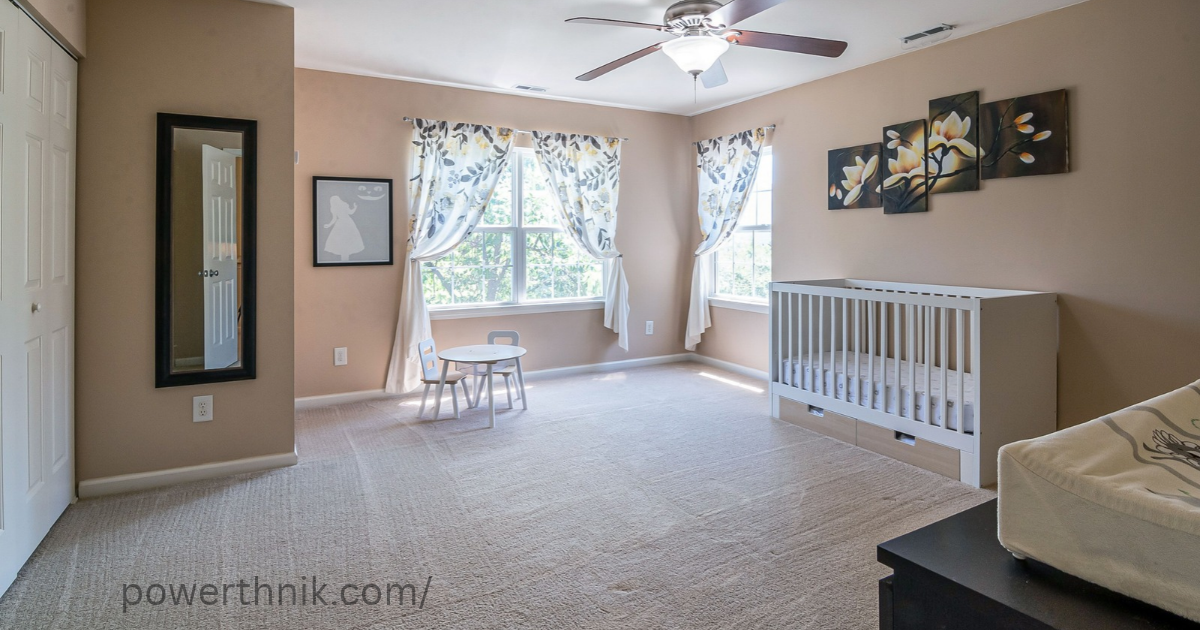
Appearance matters because the fan becomes a visible part of the room. Available finishes include wood effects, white, black, brushed metal, and other decorative styles. Choose a design that complements your furniture and existing light fittings without sacrificing safe installation or suitable airflow.
Consider Different Room Styles
A simple white fan may blend into a bright bedroom, while a wood-effect model can complement natural furniture. Modern living rooms may suit streamlined housings and integrated LED panels. For kitchens or covered outdoor areas, check that the specific model is approved for the intended environment.
Check Warranty and Replacement Parts
Before making a purchase, review the warranty, customer support, and availability of replacement remotes, light modules, and other components. These details can make maintenance easier if a part fails later. Always follow the manufacturer’s instructions for repairs and replacement.
Conclusion
Choosing the right ceiling fan light means balancing effective airflow, dependable illumination, safe installation, and easy-to-use controls. By comparing room dimensions, motor specifications, LED brightness, electricity consumption, and warranty coverage, homeowners in the UK and United States can find an option that suits their needs.
Taking time to research different models can help prevent unsuitable purchases and reduce avoidable maintenance. Focus on safety, lasting performance, and practical features that improve everyday comfort instead of judging a ceiling fan light by its appearance alone.
Frequently Asked Questions
What should I consider when buying a ceiling fan light?
Consider room size, fan diameter, ceiling height, motor performance, brightness, colour temperature, controls, and installation requirements. Choose a model that suits your daily needs and provides the necessary safety clearances.
Are LED ceiling fan lights energy efficient?
LED lighting generally uses less electricity than many traditional lighting technologies for a similar amount of light. Actual savings depend on the lamp, operating time, and power rating.
Can I install a ceiling fan on a low ceiling?
Yes, some models use flush-mount designs for lower ceilings. Check the manufacturer’s clearance requirements and ensure that the blades remain at a safe height.
Why is my fan running slowly?
Possible causes include an incorrect speed setting, dust buildup, a mechanical fault, or a problem with the motor or controller. If the issue continues, switch off the fan and arrange a professional inspection.
Can I use a remote to adjust the light?
Many models support remote-controlled lighting, but available functions differ. Check whether your chosen product offers dimming, colour-temperature adjustment, and independent fan control.
How often should I clean my ceiling fan?
Inspect the fan regularly and remove dust when necessary. Always switch off the power before cleaning, and seek professional help if you notice damaged blades, unusual noise, or excessive vibration.