
Solar panel maintenance is something every UK homeowner should understand once panels go up on the roof, because a little regular care keeps your system generating electricity efficiently for decades. After years of working around these systems, I can tell you that solar panel maintenance is far simpler than most people expect, and a bit of attention here and there goes a long way toward protecting your investment and keeping your energy bills low.
This guide walks through everything you need to know, from cleaning and costs to spotting early warning signs of trouble.
Do Solar Panels Really Need Maintenance?
Solar panels are designed to be low-maintenance, and for the most part, that reputation holds up well. Rain does a lot of the heavy lifting by washing away dust, pollen, and light debris on its own. Panels fitted at a steep angle, generally above 15 degrees, are often described as self-cleaning because water simply runs off before dirt has a chance to settle.
That said, I’ve seen plenty of exceptions. Flat roof installations sitting at a shallower 10 to 15 degree pitch don’t get the same benefit from rainfall, and they tend to collect grime much faster. I once removed a set of panels that had been in place for over a decade, and the lichen buildup was so thick it had practically become part of the glass. If your home sits in a dusty area, near overhanging trees, or in a spot where birds like to gather, you’ll want to check your panels every 12 to 18 months and clean them whenever dirt becomes visible.
Ground-mounted arrays usually need more frequent attention than rooftop systems too, simply because they sit closer to soil and foot traffic. A quick chat with your installer about your specific warranty terms is always worth having, since some manufacturers expect a certain level of upkeep to keep the guarantee valid.
How Much Does Solar Panel Cleaning and Servicing Cost in the UK?
Solar panel maintenance costs vary depending on your setup, but here’s a realistic breakdown based on typical UK rates. Professional cleaning for a standard residential system usually costs between £60 and £100, though larger installations or hard-to-reach roofs can push that higher. A full inspection and clean together typically runs £100 to £250, while cleaning alone often works out to £4 to £15 per panel. For an average 10 to 12 panel array, that’s roughly £100 to £150 for a thorough job.
If you’d rather set up an annual maintenance package, expect to pay somewhere between £200 and £500 per year depending on system size and provider. Many homeowners hire a window cleaner with a pure water pole system instead, which usually costs just a few pounds per panel and works well if done every six months.
Here’s a simple example worth considering. A typical three-bedroom semi with ten 440-watt panels, forming a 4.4kW system on a south-facing roof, might generate around 4,000kWh a year. If dust and grime cause a 10 percent drop in output, that’s a loss of 400kWh, which at 30p per kWh adds roughly £120 a year to your energy bill. Paying a cleaner £5 per panel, or £50 total, still leaves you £20 ahead, and it protects your system from the kind of heavy buildup that leads to bigger repair bills later. Worth remembering too that inverters typically need replacing every 10 to 15 years at a cost of around £800, so keep your warranty documents somewhere safe.
How to Clean Your Solar Panels Properly
Before You Start Safety First
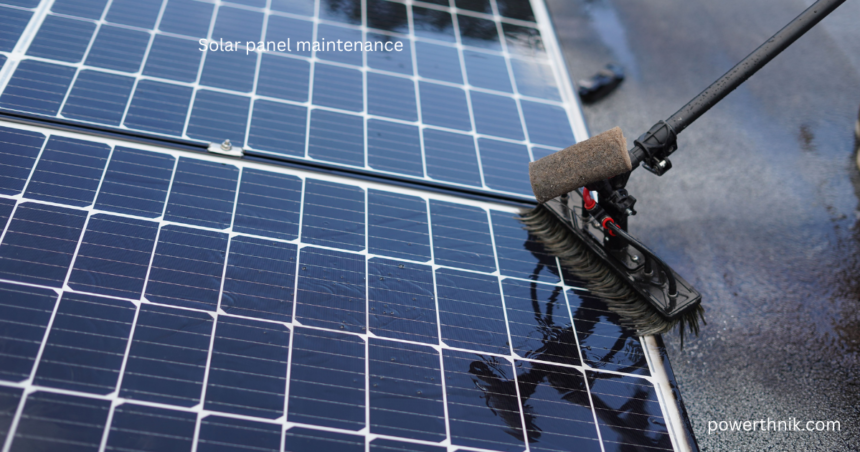
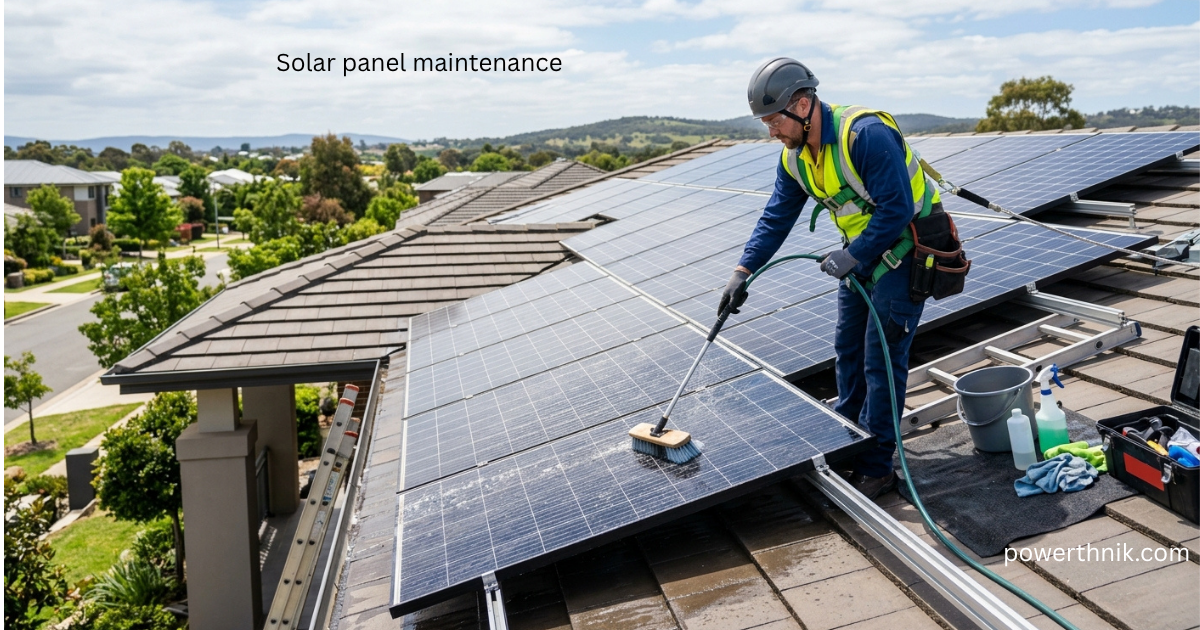
Good solar panel maintenance starts with knowing how to clean the panels correctly, and it’s more straightforward than most people expect once you follow a few sensible steps. For light dust, a hose pipe and a spray of water from the ground is usually enough. For more stubborn dirt, a soft brush or sponge on a long handle works well without risking scratches. Always pick a cool day to clean, since water evaporates quickly off hot panels and tends to leave streaks and residue behind.
Cleaning Methods Light Dust vs Stubborn Dirt
Before you start, turn off your system, checking your instruction manual if you’re not sure how. Take a moment to look for any damaged cabling, since this can present a genuine electric shock hazard and should be reported to your installer immediately rather than handled yourself. If reaching your panels safely from the ground isn’t possible, it’s far better to bring in a professional than to work at height without the right training or equipment.
What to Avoid Using
One thing worth avoiding entirely is washing up liquid or any other cleaning product. These can leave a residue that actually hurts performance. Tap water is also not ideal on its own, since it’s often hard water that leaves a chalky, mineral deposit over time. Rainwater or filtered water is the safer choice.
Dangerous Mistakes to Avoid
A few quick don’ts are worth keeping in mind. Never stand on your panels, since they’re not built to support a person’s weight and can crack under pressure. Slippery coatings also make this genuinely dangerous at height. Power washers are another thing to avoid completely, as the high pressure can force water into seals and wiring, leading to costly water damage. A gentle hose spray does the job just as well without the risk.
A Simple Solar Panel Maintenance Checklist
Sticking to a simple solar panel maintenance checklist makes a real difference to how long your system lasts. Every one to two years, inspect the panels, mounting system, and any visible wiring yourself, or have a professional do it for you. Look for wear and tear, water ingress, dirt buildup, bird droppings, or lichen growth, and arrange cleaning or repairs promptly if anything looks off.
Every three to five years, book a full professional service to catch small cracks or inverter issues before they become bigger problems, and double check your warranty policy, since some installers require periodic servicing to keep it active.
On a more regular basis, clear surface debris using a soft brush and hose, especially during dry spells when grime builds up fastest. Keep an eye out for cracks, chips, or broken glass, and arrange a professional repair straight away if you spot anything unusual. Trim back overhanging branches to protect sunlight exposure, and use your monitoring app to track daily and monthly output, since a sudden dip often flags an issue early. Finally, check any external cabling for exposed or damaged wires, and schedule a full inspection with a qualified technician every so often to catch electrical faults before they cause bigger problems.
Trees, Shading, and Why They Matter More Than You’d Think
Shading tends to sneak up on homeowners because tree growth happens so gradually. A tree that posed no problem when your system was installed might be casting shadows across half your roof two or three years later.
I recommend checking your surroundings twice a year and trimming back anything that’s started to encroach. If shading is unavoidable, technology like SolarEdge or Enphase microinverters can help reduce the impact on overall output, though keeping the area as clear as possible remains the best long-term fix.
Warning Signs Your Panels Need Attention
A sudden drop in energy production is usually the clearest sign that your solar panel maintenance routine needs a closer look. Visible damage such as cracks, a roof leak, or loose wiring should never be ignored, since delaying repairs tends to make problems worse and more expensive. Shading from nearby trees or new structures is another common culprit worth ruling out.
How Much Does Dirt Actually Affect Performance?
It’s easy to underestimate just how much grime can cost you, which is exactly why solar panel maintenance matters more than people assume. Panels coated in dust, bird droppings, or leaves can lose anywhere from 10 to 30 percent of their output. Even a thin layer of dust that blocks just 5 percent of sunlight can cause a 10 to 25 percent drop in generation, because panels rely heavily on irradiance, the brightness of sunlight reaching the cells. Regular cleaning protects both your daily output and your long-term return on investment.
How Often Should You Book a Professional Service?
A service every five years is a sensible rule of thumb for most UK homes, and it’s one of the most overlooked parts of solar panel maintenance. Newer systems generally don’t need much attention in the early years, but as your setup ages, keeping a closer eye on performance readings becomes more important. Any noticeable drop in output is worth investigating sooner rather than later.
It’s also worth arranging an Electrical Installation Condition Report, or EICR, every five to ten years. Wiring, connections, and earthing can loosen gradually over a system’s lifetime, even though most solar installations are built to last 25 years or more. Catching deterioration early through an EICR often prevents far bigger issues down the line.
Choosing an Installer Matters More Than You’d Expect
In my experience, the vast majority of maintenance callouts trace back to poor installation rather than natural wear, which is why good solar panel maintenance actually begins on installation day. I once found a connector that had never been properly clicked into place, leaving a system underperforming for two full years without the homeowner realizing. Choosing an installer who does the job properly the first time genuinely saves you money and hassle later.
Monitoring and Connectivity Tips
A good monitoring system lets you track daily and monthly output, compare performance year over year, and spot underperformance before it becomes a bigger issue. Keeping firmware updated, whether automatically or manually, helps your system run at its best.
If your system connects via Wi-Fi, a router change can sometimes disconnect it, leading to an unnecessary callout just to reconnect everything. A hardwired Ethernet connection avoids this problem entirely and tends to be far more reliable over time.
Frequently Asked Questions
Do solar panels clean themselves in the rain?
To an extent, yes, and this is one of the most common questions I hear from homeowners. Rain washes away light dust, though panels below a 15 degree pitch benefit far less from this natural effect and usually need manual cleaning.
When’s the best time of year to clean solar panels?
It depends on the cause of the dirt. Dust builds up in dry weather, pollen peaks in spring, and leaves pile up in autumn, so clean whenever buildup becomes noticeable.
What’s the best time of day to clean solar panels?
Morning or late afternoon works best. Avoid cleaning on very hot days, since water evaporates too quickly and leaves streaks behind.
Does cleaning solar panels actually improve performance?
Yes. Removing dirt that blocks sunlight has a direct and measurable effect on how much electricity your panels generate.