
If you are researching facts on solar energy, the UK offers plenty of real-world examples to explore. Solar power has moved from a specialist technology to a common choice for homes, businesses, and large energy projects. Government figures show that the UK passed two million total solar installations in March 2026.
However, solar energy involves more than putting panels on a roof. It connects electricity generation, household savings, technology, environmental goals, batteries, and changing energy habits. Understanding these points can help you see how solar works in everyday UK conditions.
What Are the Most Important Facts on Solar Energy
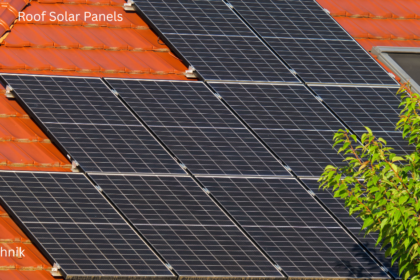
The most useful facts on solar energy cover how photovoltaic panels produce electricity, how long they last, and how homeowners can use the power they generate. Solar panels use photovoltaic cells to convert sunlight into direct current electricity. An inverter then changes that electricity into the form normally used by household appliances.
The UK does not need constant sunshine for solar panels to work. Panels can generate electricity during daylight even when clouds reduce the available sunlight. However, output changes with the season, weather, roof direction, shading, panel size, and installation angle.
Another important point involves the country’s growing solar market. The government reported 269,000 solar installations during 2025, with around 255,000 involving rooftop systems. This growth shows how quickly solar has become part of the UK’s household energy landscape.
What’s the Average Electricity Output of Solar Panels in the UK
One of the practical facts on solar energy is that electricity production varies from property to property. A typical home system can generate useful electricity throughout the year, but summer usually provides stronger output because the UK receives longer daylight hours.
Roof orientation also matters. A south-facing roof can receive strong sunlight across much of the day, while east-facing and west-facing roofs can still work effectively. Shade from trees, chimneys, or nearby buildings can reduce production, so installers normally assess the roof before designing a system.
System size matters as well. A larger installation can produce more electricity when suitable roof space exists. However, homeowners should match system size with their electricity demand and budget rather than simply installing as many panels as possible.
Do Solar Panels Work in Winter
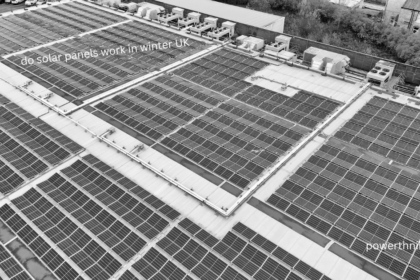
Many facts on solar energy become clearer when you understand the difference between sunlight and heat. Solar panels do not need hot weather to generate electricity. They need light, so they can continue producing power during cold UK winters.
Winter production usually falls because the UK has shorter daylight hours and weaker sunlight. Heavy cloud, snow cover, and shading can reduce output further. Even so, panels can still generate electricity whenever sufficient daylight reaches their surfaces.
This seasonal change makes energy management important. A home battery can store surplus electricity produced during productive periods. Homeowners can then use stored power later, including during evenings when their panels are not generating electricity.
How Long Do Solar Panels Last
Durability is another useful part of the facts on solar energy homeowners should understand. Modern solar panels can operate for decades, although their electricity output gradually decreases over time. Manufacturers commonly provide long performance warranties covering the expected production period.
The panels themselves have no large number of moving mechanical parts. This simple design can reduce mechanical wear compared with some other energy technologies. However, inverters, batteries, cables, and mounting components can have different lifespans.
Regular visual checks can also help identify problems early. Dirt, debris, damaged wiring, or shading can affect performance. Professional maintenance can therefore help homeowners keep their system working safely and efficiently.
Can Solar Panels Reduce UK Energy Bills
For many homeowners, the financial side represents some of the most relevant facts on solar energy. Solar electricity can reduce the amount of power a household needs to purchase from its supplier. The actual saving depends on system size, electricity consumption, generation, tariff rates, and how much solar electricity the household uses.
Using solar power during daylight can improve self-consumption. For example, homeowners can run washing machines, dishwashers, or other suitable appliances when their panels are producing electricity. This approach reduces the need to buy equivalent electricity from the grid.
The UK government reported in 2026 that rooftop solar could save families up to £480 a year, although individual savings vary. Therefore, homeowners should treat advertised savings as estimates rather than guaranteed results.
Can You Earn Money From Excess Solar Electricity
Another important part of the facts on solar energy concerns exporting unused electricity. If a solar system produces more electricity than the home needs, eligible homeowners can export the surplus to the grid.
The UK’s Smart Export Guarantee, or SEG, requires certain licensed suppliers to offer tariffs for eligible exported electricity. Ofgem states that the scheme applies to eligible small-scale generators, including solar photovoltaic systems.
The payment rate depends on the supplier and tariff. Ofgem explains that SEG suppliers determine their rates, contract lengths, and other terms. Homeowners should therefore compare available tariffs before choosing an export arrangement.
Why Is Solar Energy Important for the UK
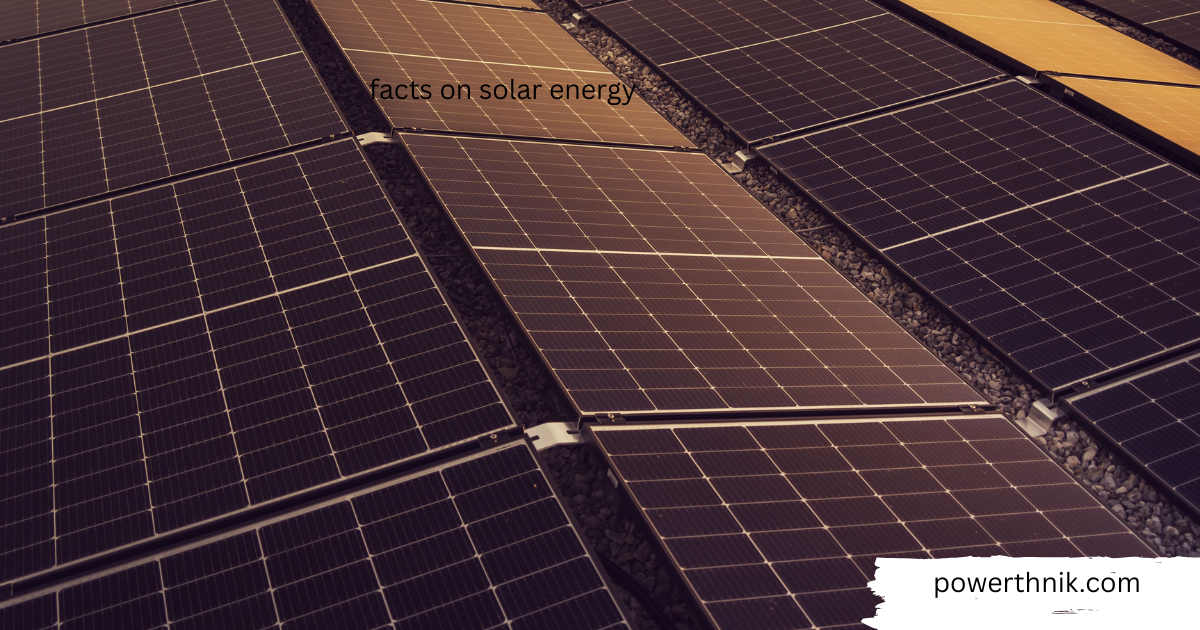
The wider facts on solar energy show why the technology has become important to Britain’s electricity system. Solar provides renewable electricity without burning fuel during generation. It can operate at household, commercial, community, and utility scale.
Government statistics show continued growth in UK renewable electricity capacity and generation. Solar can therefore form part of a broader energy mix alongside wind, hydro, nuclear, storage, and other technologies.
Large projects can also contribute substantial generation capacity. For example, the UK government approved an 800 MW solar farm in April 2026. Such projects demonstrate that solar is no longer limited to individual rooftops.
Are Solar Panels Environmentally Friendly
Environmental benefits form another major section of facts on solar energy. Solar panels generate electricity without directly burning coal, oil, or gas during operation. This can help reduce dependence on fossil-fuel generation when solar electricity replaces electricity from higher-emission sources.
Solar panels do require energy and materials during manufacturing, transport, installation, and eventual recycling. Therefore, it is more accurate to describe solar as a low-carbon energy technology rather than a completely impact-free product.
The environmental value also depends on how electricity systems operate. Solar produces electricity without direct operational carbon emissions, while its overall environmental footprint includes manufacturing and other stages of its life cycle.
What Is the History of Solar Energy
The historical facts on solar energy reach much further back than modern rooftop systems. Scientists identified the photovoltaic effect in the nineteenth century. Later research helped turn this scientific discovery into practical solar cells.
The first practical silicon solar cell appeared in the 1950s. Since then, researchers and manufacturers have improved cell efficiency, manufacturing processes, durability, and system design.
The UK has also developed its own solar history. According to government data, the country surpassed two million total solar installations in March 2026. That figure includes installations across homes, communities, and solar farms.
What Role Do Solar Batteries Play
Understanding batteries adds another layer to the facts on solar energy. Solar panels produce electricity mainly during daylight, while households may use significant amounts of electricity during the evening. A battery can help bridge that timing difference.
Instead of exporting every unit of surplus electricity, a homeowner can store some of it for later use. The battery can then discharge electricity when household demand rises and solar production falls.
However, batteries add equipment costs and require careful system design. Their usefulness depends on electricity consumption, solar generation, battery capacity, tariffs, and the household’s daily routine. Therefore, a battery does not automatically make every solar installation financially better.
What Is Changing in the UK Solar Market
Recent facts on solar energy show that UK solar is expanding beyond traditional rooftop installations. Government figures reported nearly 172,000 solar installations across the UK during the first part of 2026. Rooftop systems accounted for more than seven in ten installations during July.
The UK has also introduced changes affecting plug-in solar. In August 2026, the government announced that plug-in solar panels could be bought and used across Great Britain. It said individual plug-in kits could produce up to 800W and potentially provide up to 20% of average household electricity use.
These developments give homeowners more ways to consider small-scale generation. However, consumers should still follow installation, electrical, safety, and property requirements before using any system.
What Should UK Homeowners Check Before Installing Solar
The final facts on solar energy are especially useful before making an installation decision. Start by checking the roof’s condition, orientation, available space, shading, and structural suitability. Then review your household electricity consumption.
Next, compare the expected solar generation with your current electricity use. Consider whether you want a battery, whether you could benefit from exporting electricity, and which tariff arrangements are available.
Finally, compare installers carefully. Look at relevant certifications, warranties, equipment specifications, estimated generation, and total installation costs. A professional assessment can provide a more realistic picture than relying on a generic online estimate.
Conclusion
These facts on solar energy show why solar has become an important part of the UK’s changing energy system. Modern panels can generate electricity for many years, while batteries and export tariffs can help households manage their power more effectively.
The UK market continues to expand, with millions of installations already recorded and new systems being added rapidly. Still, every property has different conditions.
The best starting point is therefore simple: understand your electricity use, assess your roof, compare system options, and calculate potential generation before making a purchase. This approach helps turn general solar information into a practical decision for your own home.
FAQs About Solar Energy
What are the main facts on solar energy for UK homeowners?
The main facts on solar energy include its ability to generate renewable electricity from daylight, reduce grid electricity purchases, and potentially provide export payments. Output depends on the roof, system size, weather, shading, and household usage.
Can solar panels work during cloudy UK weather?
Yes. One of the useful facts on solar energy is that panels can generate electricity under cloudy conditions. However, cloud cover normally reduces the amount of electricity produced compared with stronger direct sunlight.
How long do solar panels normally last?
Modern panels can operate for decades. Their output gradually declines, so homeowners should check the manufacturer’s performance warranty and expected degradation rate before purchasing a system.
Can UK homeowners get paid for surplus solar electricity?
Yes, eligible generators can receive payments through the Smart Export Guarantee. Ofgem confirms that eligible solar PV generators can receive payment for electricity exported to the National Grid through participating suppliers.
Are solar panels worth considering in the UK?
The answer depends on the property and household. Important facts on solar energy include the roof condition, electricity demand, system cost, expected generation, battery use, export tariff, and how long you expect to remain in the property.