
Finding reliable air source heat pump installers starts with more than comparing prices. A good installer should understand your property, heating demand, hot water needs, insulation, radiators, available space, and existing heating system before recommending a system. This matters because correct design helps the system work efficiently after installation. In the UK, Energy Saving Trust recommends getting quotes from at least three MCS-certified air source heat pump installers before making a decision.
The same principle applies when comparing air source heat pump installers in different markets. In the United Kingdom, homeowners commonly look for MCS certification, while customers in the United States check local licensing, professional qualifications, and suitable HVAC experience. ENERGY STAR also provides a US installer-finder service and advises customers to confirm that contractors hold the required certification and licensing.
Experienced air source heat pump installers should explain the complete process clearly, from the first survey and system design to installation, commissioning, controls, and maintenance. They should also explain whether your home needs radiator changes, insulation improvements, a hot water cylinder, or other work before installation begins.
How Air Source Heat Pump Installers Assess Your Home
When comparing air source heat pump installers, start with the property survey rather than the equipment brand. The installer should assess the building and calculate its heat demand before recommending a system. Energy Saving Trust notes that an installer should assess the property, calculate heat demand, and explain changes that could help the heat pump operate efficiently.
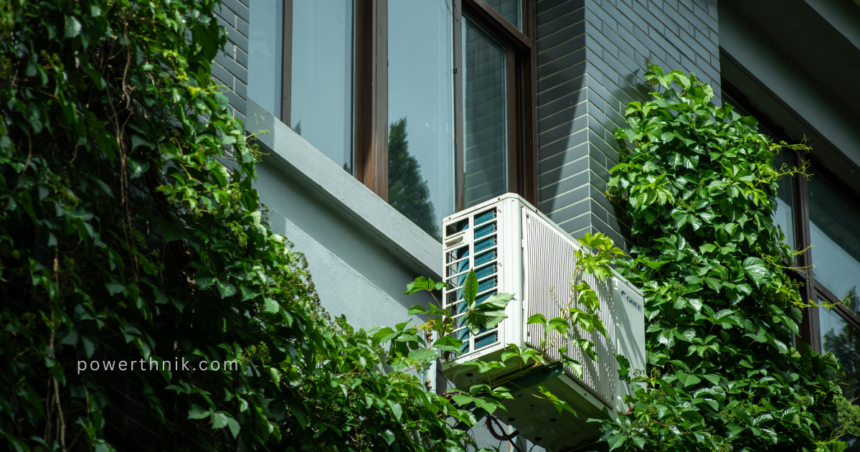
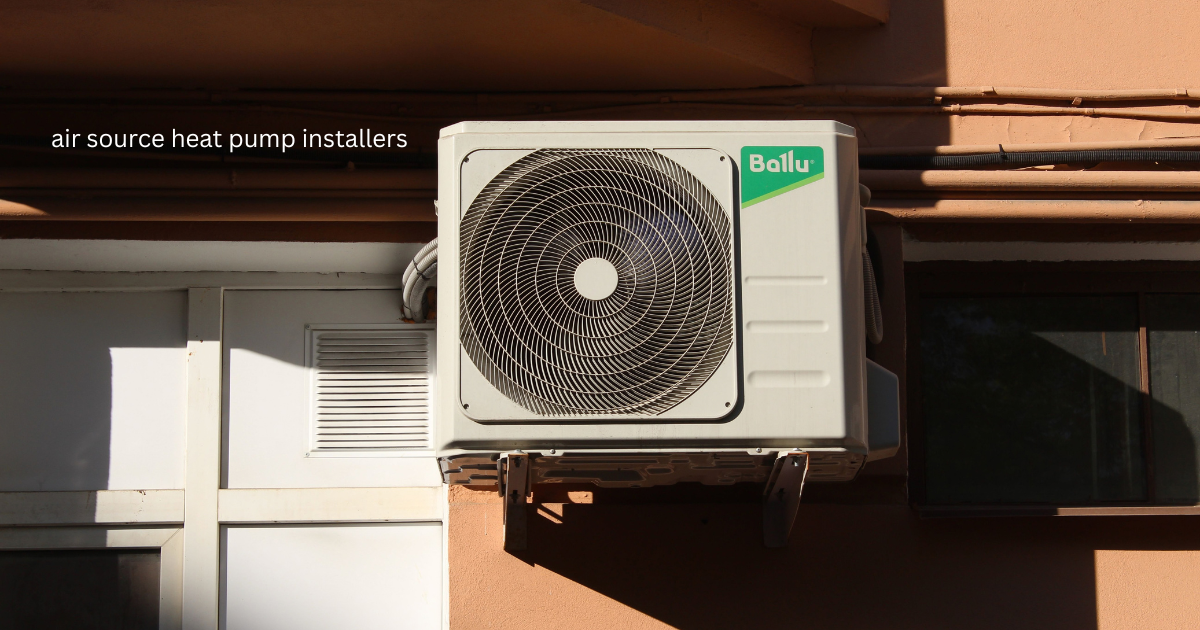
A proper survey can include the size of rooms, insulation levels, windows, doors, existing radiators, pipework, hot water requirements, and the position of the outdoor unit. The installer should also consider airflow around the outdoor equipment, since the system needs suitable space to operate correctly.
Air Source Heat Pump Installers in the United Kingdom
For homeowners searching for air source heat pump installers in the United Kingdom, MCS certification is an important point to check. MCS provides a recognized framework for renewable-energy installers, and its standards cover heat pump design and installation. Energy Saving Trust recommends obtaining at least three quotes from certified installers so homeowners can compare the proposed systems and costs.
UK homeowners should also check whether the quotation includes system design, heat-loss calculations, equipment, installation, commissioning, controls, warranty information, and after-sales support. Depending on the property and location, planning requirements or other permissions may also need attention.
Air Source Heat Pump Installers in the United States
In the United States, air source heat pump installers normally work within the wider heating and cooling market, so homeowners should check local licensing and relevant HVAC experience. ENERGY STAR advises customers to confirm that their installer is properly certified and licensed.
US homeowners should also consider climate when selecting equipment. ENERGY STAR explains that cold-climate heat pumps can use specialized technology for lower outdoor temperatures. A contractor should size the system correctly and consider the home’s heating and cooling requirements before recommending equipment.
What to Check Before Hiring an Installer
The best comparison does not always come from choosing the cheapest quote. Air source heat pump installers should provide a clear specification that explains what they plan to install and how the system will meet the home’s heating requirements. Energy Saving Trust recommends comparing detailed quotations rather than looking at price alone.
Look at the installer’s technical experience, certifications, customer reviews, service area, warranty terms, and maintenance arrangements. Ask whether the company handles commissioning and explains the controls after installation. A clear handover can make everyday operation much easier.
It also helps to ask about radiator upgrades and insulation. Heat pumps often operate differently from traditional boilers, so air source heat pump installers may recommend larger radiators or other improvements. These changes should appear clearly in the quotation rather than arriving as unexpected costs during the project.
Heat Pump Installation Process
A professional installation normally follows several stages. First, the installer completes a property assessment and heat-demand calculation. Next, they select a suitable system, prepare the installation area, install the outdoor and indoor equipment, connect the pipework and controls, and test the system. The final stage includes commissioning and explaining the controls to the homeowner.
Correct installation matters in both the UK and US markets. ENERGY STAR states that proper installation helps optimize performance, while poor installation can reduce efficiency and shorten equipment life. Its guidance also highlights correct sizing, airflow, equipment placement, wiring, ducting where applicable, and manufacturer instructions.
A good installer should leave the homeowner with clear information about operation and maintenance. The handover should cover thermostat settings, heating schedules, filters where relevant, maintenance requirements, warranty details, and who to contact if a problem develops.
Heat Pump Costs, Grants and Running Expenses
Installation costs depend on the property, system size, equipment, labor, pipework, radiators, electrical work, and any building improvements. Energy Saving Trust currently gives an indicative UK air source heat pump installation cost of around £11,000 to £12,000, though actual quotations from air source heat pump installers can vary considerably.
In England and Wales, eligible homeowners may receive support through the Boiler Upgrade Scheme, with Energy Saving Trust currently listing grants of up to £7,500 for an air source heat pump. Scotland and Northern Ireland have different arrangements, so homeowners should check the current rules for their location before budgeting around a grant.
US customers can have different incentives depending on federal, state, local, and utility programs. ENERGY STAR notes that eligible certified equipment may qualify for incentives and that utilities can offer additional rebates. Homeowners should check current program requirements before signing a contract with any air source heat pump installers.
Running costs also depend on electricity prices, system efficiency, controls, insulation, radiator sizing, and how the homeowner operates the heating. In the UK, time-of-use electricity tariffs can form part of the wider cost discussion. In the US, climate and the balance between heating and cooling demand can also influence annual energy use.
Maintenance After Installation
Good maintenance helps keep a heat pump working reliably. Homeowners should follow the manufacturer’s servicing recommendations and keep filters, outdoor areas, and airflow paths clear where applicable. Most air source heat pump installers explain which maintenance tasks the homeowner can handle and which tasks require a qualified professional.
A maintenance agreement can also be useful for larger or more complex systems. Before signing one, check what the service includes, how often engineers visit, what parts are covered, and how emergency call-outs work.
FAQs
How many quotes should I get from air source heat pump installers?
Getting at least three quotes gives you a useful basis for comparing system designs, equipment, installation work, warranties, and costs. Energy Saving Trust recommends this approach when choosing a certified installer.
What should I ask air source heat pump installers before hiring them?
Ask about certification, property assessment, heat-loss calculations, system size, installation timescale, equipment warranty, commissioning, maintenance, and after-sales support. Also ask whether the quotation includes any radiator, insulation, electrical, or pipework changes.
Can air source heat pump installers work with existing radiators?
Yes, a heat pump can work with radiators, but the installer should check whether the existing radiators are appropriately sized for the proposed system. Some homes may need larger radiators or other heating-system changes to achieve the required heat output.
Do I need an MCS-certified installer in the UK?
For many UK homeowners, MCS certification is an important consideration, particularly when applying for certain government support. MCS sets standards for heat pump design and installation, and comparison guides often list MCS-certified air source heat pump installers first for this reason.
How do I choose a heat pump installer in the US?
Check the contractor’s local license, HVAC experience, training, references, insurance, and knowledge of heat pumps suitable for your climate. ENERGY STAR also provides a search tool for qualified installation professionals.
What happens after a heat pump is installed?
The installer should commission the system, check its operation, explain the controls, provide relevant documentation, and discuss maintenance. A proper handover helps you understand how to operate the system efficiently and where to obtain future support.