
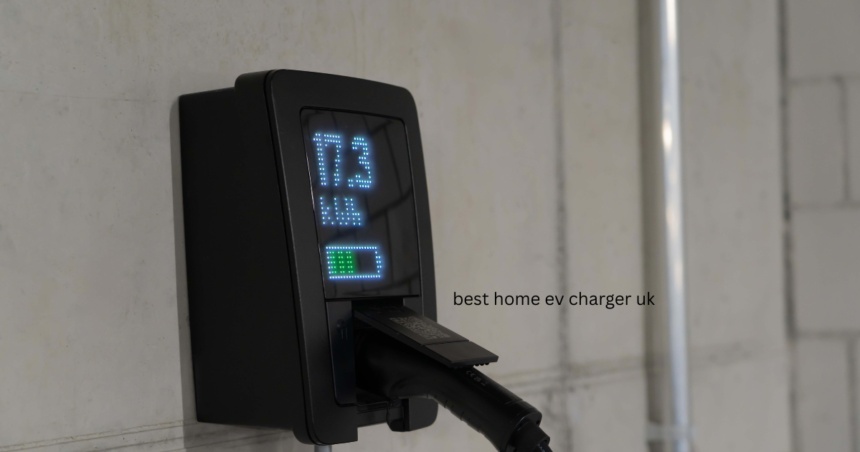
Choosing the best home EV charger UK drivers can use depends on more than charging speed. A good charger should suit the vehicle, home electrical supply, driving routine, electricity tariff, and future plans. Most UK homes with a standard single-phase supply use chargers around 7kW to 7.4kW, so software, compatibility, installation quality, and smart charging features can make a bigger difference than a small change in power output.
The best home EV charger UK market now includes smart wall boxes from brands such as myenteric, Ohm, Hyperbole, Wall box, Ease, Pod Point, and Andersen. These products can offer scheduled charging, smartphone control, energy monitoring, solar support, and dynamic load management. For many households, the charger becomes part of a wider home energy system rather than simply a device that fills the car battery.
How to Pick the Right Home EV Charger in the UK
Before buying a charger, start with the vehicle. Check its maximum AC charging rate, connector type, and cable requirements. Most modern UK domestic installations use AC charging with Type 2 connections. Government technical requirements for eligible residential charge points also specify Mode 3 charging and Type 2 socket outlets for relevant AC equipment.
Next, consider whether a tethered charger or untethered charger makes more sense. A tethered model keeps the charging cable attached, making daily use quick and convenient. An untethered model lets you use your own Type 2 cable and can offer greater flexibility if you change vehicles later. Cable length also matters when the parking space sits several metres away from the wall.
The electrical supply deserves equal attention. A standard domestic installation commonly supports around 7kW, while some properties have three-phase supplies that can support higher charging power when the vehicle and installation allow it. An installer should check the consumer unit, cable route, earthing arrangements, available capacity, and charger location before installation.
Which Features Matter Most in the Best Home EV Charger UK
Smart charging has become one of the most useful features. Instead of charging immediately, a smart charger can schedule a session for a cheaper period. This can be particularly useful with time-of-use tariffs, where electricity prices change throughout the day. UK regulations also require covered private charge points sold for domestic or workplace use in Great Britain to provide smart functionality and certain security and information features.
A reliable smartphone app can make everyday control easier. Drivers may use an app to start or stop charging, create schedules, monitor energy use, check charging history, or manage settings remotely. Some systems connect directly with specific electricity tariffs, while others provide more general scheduling options.
Dynamic load balancing is another useful feature, particularly for homes with several high-power appliances. A smart charger can track your home’s electricity use and lower the charging rate when other appliances are using more power. This can be valuable in older properties where the available electrical capacity requires careful management.
7 Best Home EV Charger UK Options to Consider
1. myenteric Sappi
The myenteric Sappi stands out for households interested in solar energy. Its solar-focused charging modes can use surplus generation from photovoltaic panels to charge an EV. It can also operate as a conventional smart charger when a property does not have solar panels, giving owners flexibility if their energy setup changes later.
The Sappi is available in tethered and untethered versions, depending on the model. Its smart controls allow owners to manage charging around household energy generation and electricity tariffs. Current UK comparisons list the Sappi at around 7.4kW with solar compatibility and a three-year warranty.
2. Ohme Home Pro
The Ohme Home Pro focuses strongly on smart tariff integration. It can work with compatible tariff systems and use pricing information to schedule charging around cheaper periods. This approach suits drivers who want to automate charging instead of manually choosing a start time every night.
The Home Pro provides a 7.4kW charging rate, a tethered 5m cable, and an app for managing charging. It also supports solar charging, although buyers should check the exact integration available with their energy setup. Its strength comes from connecting the charger with the electricity tariff rather than treating charging as a simple fixed-time process.
3. Hyperbole Home 3 Pro
The Hyperbole Home 3 Pro combines smart charging with a modern design. It supports scheduling, app-based control, solar features, and dynamic load management with the appropriate sensor. The unit also offers Wi-Fi connectivity and a polished interface that makes regular monitoring straightforward.
For homeowners who want the charger visible on a driveway or outside wall, appearance can matter almost as much as software. Hyperbole provides several cable and color options, while the Home 3 Pro can deliver around 7kW to 7.4kW depending on configuration and supply. Current UK comparisons also highlight its solar and smart charging capabilities.
4. Wall box Pulsar
The Wall box Pulsar range suits drivers who want a compact wall-mounted charger with smart controls. The Pulsar can provide scheduling through its app and uses power-management technology to help balance household demand. Its relatively small size can make it attractive where wall space is limited.
An important advantage is the ability to monitor and manage charging remotely. Drivers can set schedules, review charging information, and use power-management functions where supported. This makes the charger useful for homes where electrical demand changes during the day.
5. Eases One
The Eases One takes a compact, untethered approach. Its smaller wall box design can suit properties where a large charger would look out of place. Because it uses an untethered setup, drivers can choose a suitable Type 2 cable and replace that cable separately if their needs change.
The charger also supports dynamic load management and smart scheduling. These features can help households manage charging alongside other electrical equipment. Current UK comparisons list the Ease One as a 7.4kW smart charger, with its compact design and load-management capabilities among its notable features.
Best Home EV Charger UK for Solar Panels
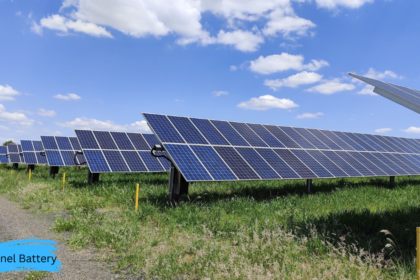
If a home already has solar panels, the charging strategy changes. A solar-compatible charger can direct surplus electricity into the vehicle instead of relying entirely on grid electricity. The myenteric Sappi is particularly focused on this use, while Hyperbole and several other modern chargers also offer solar-related functions.
Solar owners should check exactly how each charger handles surplus generation. Some systems can follow changing solar output more closely, while others use simpler thresholds. A home battery can also affect the charging strategy because the household may want to store solar electricity before sending it to the vehicle.
Best Home EV Charger UK for Smart Tariffs
For drivers who mainly want to charge during cheaper electricity periods, tariff integration deserves close attention. The best home EV charger UK for this purpose should communicate reliably with the relevant energy service and allow charging schedules to change when prices change.
Ohm has built much of its charging experience around smart tariff integration, while other chargers offer their own scheduling systems and compatibility with selected tariffs. Current comparisons highlight Home’s integration with Intelligent Octopus Go and similar smart charging arrangements.
A good internet connection can also matter. Some chargers rely heavily on Wi-Fi or mobile connectivity for advanced scheduling. Before installation, check signal strength at the proposed charger position and understand what happens if the connection temporarily fails.
Best Home EV Charger UK: UK and US Differences
The best home EV charger UK setup does not always translate directly to a US installation. UK domestic systems commonly use 230V supplies and Type 2 AC charging, while US homes often use different electrical configurations and connector standards. The charger must therefore match the local electrical system and the vehicle sold in that market.
US buyers should check whether a charger uses the connector required by their vehicle, whether the unit supports the home’s voltage and circuit arrangement, and whether local electrical codes allow the proposed installation. A product designed for the UK should not simply be assumed to work correctly in a US property without checking its technical specifications.
For both markets, the same basic buying principles remain useful: check charging power, connectivity, safety features, cable arrangement, smart charging, solar compatibility, warranty, and installation requirements. Local standards and installer requirements should always take priority.
Installation, Cost and Grant Checks
A charger purchase should include the installation rather than focusing only on the wall box price. Installation costs can vary according to cable distance, consumer-unit work, electrical capacity, wall type, and the location of the parking space. Getting a proper survey before work begins can reduce unexpected costs.
Eligible UK customers may also have access to OZEV-related charge point support, but eligibility and scheme conditions can change. Current government guidance states that applicants must use an authorized installer and an eligible charge point where a grant applies. It also warns that installing before applying or receiving eligibility confirmation can invalidate a later grant offer.
It is therefore sensible to check the current government guidance before ordering equipment. Buyers should confirm eligibility, approved equipment, installer requirements, and the exact value of any available support rather than relying on an old price or outdated article.
Final Buying Advice
The best home EV charger UK choice should match the way the household actually uses its car. Solar owners may place greater importance on solar diversion, while drivers using a time-of-use tariff may care more about smart scheduling. People expecting to change cars may prefer an untethered unit, whereas a single-EV household may appreciate the convenience of a fixed cable.
The best home EV charger UK option also needs to work with the property. A compact unit can help where wall space is restricted, while a longer cable can make driveway charging easier. Strong weather protection matters for outdoor installations, and dynamic load management can help when several appliances share the same electrical supply.
The final decision should come from the vehicle specification, electrical survey, tariff, charging routine, solar plans, and installation requirements. Comparing those factors gives homeowners a practical way to select a charger that remains useful for years rather than choosing only by appearance or headline power.
Frequently Asked Questions
What is the best home EV charger UK drivers can buy?
There is no single charger that suits every property. The best home EV charger UK option depends on the vehicle, electricity tariff, solar setup, electrical supply, cable preference, and installation location. Zappi, Ohme, Hypervolt, Wallbox, and Easee each target different combinations of these needs.
Is a 7kW charger enough for a home?
For many UK homes, a 7kW or 7.4kW charger provides enough overnight charging. Most drivers leave the vehicle parked for several hours, so the charger can replenish a useful amount of battery capacity during normal overnight parking. The vehicle’s own AC charging limit also affects the actual rate.
Should I choose tethered or untethered charging?
A tethered charger keeps the cable attached, which makes plugging in faster and easier. An untethered model lets you use your own Type 2 cable and can offer greater flexibility when changing vehicles. The choice mainly depends on convenience, parking layout, and future vehicle plans.
Can an EV charger use solar power?
Yes. Several modern chargers support solar charging and can use surplus generation from household solar panels. The exact process varies between models. Some systems monitor excess generation closely, while others use simpler charging thresholds. A home battery can also influence how surplus electricity gets allocated.
Do smart EV chargers save money?
Smart charging can help reduce charging costs when the electricity tariff offers cheaper periods. A charger can schedule charging during selected times instead of charging immediately. However, the actual saving depends on the tariff, vehicle usage, charging schedule, and electricity consumption.
What should I check before installation?
Check the vehicle connector, charger power, cable length, electrical supply, consumer unit, installation route, internet connection, tariff compatibility, solar requirements, warranty, and available government support. An authorized installer should confirm that the selected equipment suits the property before installation.