
Strengths of solar energy make solar power an increasingly useful choice for homes and businesses across the UK. Solar panels use sunlight to generate clean electricity, helping people reduce their reliance on the grid and manage long-term energy costs.
Solar power is a renewable energy source that can support the UK’s move towards cleaner energy. Modern systems can also work with battery storage, allowing households to use more of their own generated electricity instead of sending all excess power to the grid.
From lower electricity bills and minimal maintenance to energy independence and reduced carbon emissions, solar offers several practical advantages. Understanding these benefits can help UK homeowners decide whether solar energy is suitable for their property and energy needs.
What Makes Solar Energy a Strong Renewable Energy Source
The biggest Strengths of solar energy come from the fact that sunlight is naturally renewable. Unlike fossil fuels, sunlight does not need to be mined, drilled, or transported before people can use it. The sun provides energy every day, making solar power a sustainable source for long-term electricity generation.
Solar energy also supports the wider energy transition. When photovoltaic panels convert sunlight into electricity, they produce power without directly creating the greenhouse gas emissions associated with burning fossil fuels. This can help households and businesses reduce their environmental impact while supporting cleaner energy generation.
Solar power is also a plentiful energy source. The sun reaches almost every part of the planet, although the amount of available sunlight changes with location and weather. This makes solar technology useful in cities, rural communities, remote areas, and places where traditional electricity infrastructure may be difficult to extend.
An Energy Source That Is Renewable and Inexhaustible
One of the clearest Strengths of solar energy is its renewable nature. Sunlight continues to reach Earth every day, so homeowners can use the resource without consuming a limited fuel supply. This makes solar different from coal, oil, and natural gas, which become harder to extract as reserves decline.
Solar electricity also requires little water during operation compared with conventional power stations that may use water and steam turbines. By reducing dependence on fossil fuels, solar power can support cleaner electricity generation and help limit environmental damage linked with mining and drilling.
For the UK, this renewable resource remains useful even though the country does not receive the same sunlight levels as some warmer regions. Solar panels can still generate electricity from daylight, including on cloudy days.
Sunlight Is Available Across the UK
Another important benefit is accessibility. Solar panels can operate on rooftops, commercial buildings, farms, and other suitable locations. This allows electricity generation to take place close to where people consume it.
The UK’s climate does not prevent solar panels from working. Panels perform best with strong direct sunlight, but they can still produce electricity during cloudy weather because daylight continues to reach the panels.
Solar technology can also support remote and rural locations where extending traditional electrical infrastructure may prove difficult. Small systems can provide power locally, while larger solar farms can generate significant amounts of electricity for wider networks.
Solar Energy Works Well With Batteries and the Grid
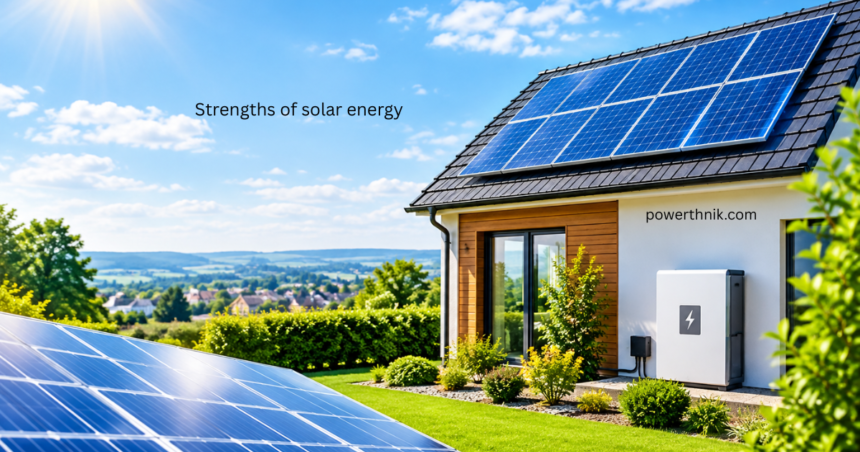
Modern solar systems can work alongside battery storage and the electricity grid. Solar panels usually generate the most electricity during daylight hours, while household demand can continue into the evening. A battery can store some unused generation and make it available later.
This improves energy independence because homeowners can use more of the electricity they generate themselves. Battery storage can also provide useful backup capability when designed and installed for that purpose.
The UK also provides a route for eligible generators to receive payment for exported electricity through the Smart Export Guarantee (SEG). Ofgem states that eligible small-scale generators can receive payments from SEG licensees for electricity exported to the National Grid.
Solar Power Can Reduce Electricity Bills
For many homeowners, reducing electricity costs is one of the most practical Strengths of solar energy. A solar system can generate electricity that a household uses instead of purchasing the same amount from the grid.
The savings depend on factors such as system size, electricity consumption, roof orientation, shading, daylight levels, and how much generated electricity the household uses directly. Using more solar electricity during generation periods can improve the value of the system.
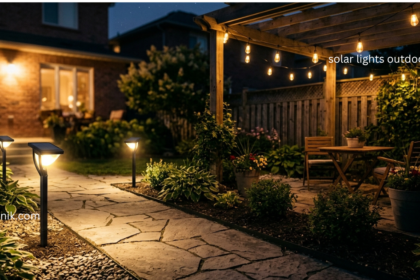
Solar lighting provides another simple application. Instead of connecting every outdoor light to the household electrical system, homeowners can use sunlight-powered lights for gardens, paths, entrances, and other outdoor areas.
Excess Electricity Can Earn Money
Solar panels may generate more electricity than a property needs at certain times. Rather than allowing that excess power to go unused, eligible UK homeowners can export electricity to the grid.
The Smart Export Guarantee supports this process. Under the scheme, eligible generators can receive payments for electricity they export, although suppliers set their own tariff rates and contract terms.
This creates another potential financial benefit. A solar system can therefore reduce electricity purchases while also creating an opportunity to receive payments for exported power. Homeowners should compare available tariffs and check eligibility before choosing an export arrangement.
Solar Panels Have Low Maintenance Needs
Another of the major Strengths of solar energy is the relatively low maintenance requirement of photovoltaic panels. Solar panels contain no conventional moving parts, so they do not require the same type of mechanical servicing as equipment with motors or complex moving components.
Basic care usually focuses on keeping the panels in good physical condition and checking that the system continues to operate correctly. Dirt, leaves, or other debris can affect performance, so appropriate cleaning may sometimes be necessary.
The source material notes a useful lifespan of around 20 to 25 years, while other solar guidance commonly discusses systems operating over many years with appropriate care.
Solar Technology Is Highly Versatile
Solar power is not limited to one application. Photovoltaic panels convert sunlight into electricity, while other solar technologies can use sunlight to provide thermal energy and heat.
This technological versatility allows solar power to serve different purposes. Homes can use photovoltaic systems for electricity, businesses can install larger systems for commercial energy needs, and solar technology can also support transportation and other applications.
Solar systems also operate quietly. Unlike many conventional power-generation technologies, photovoltaic panels do not create significant operating noise. This makes rooftop solar suitable for residential areas, commercial properties, and many other settings.
Solar Creates Jobs and Supports Local Economies
The growth of solar power creates opportunities for different parts of the renewable energy industry. Solar installers, developers, builders, engineers, maintenance technicians, and other professionals can all contribute to the sector.
Solar projects can also support local businesses. Installation work, electrical services, maintenance, equipment supply, and related professional services can create economic activity within communities.
The source material highlights solar employment as an important part of the wider global energy transition, particularly across the photovoltaic sector.
Solar Panels Can Support Property Appeal
Residential solar systems may also contribute to the attractiveness of a property. Buyers who want lower energy costs and a cleaner energy source may consider an existing solar installation a useful feature.
The value of solar will depend on the property, system ownership, installation quality, remaining system life, and local market conditions. It is therefore better to view solar as a potential property benefit rather than assuming a fixed increase in value.
For UK homeowners, solar can also contribute to a broader goal of improving household energy efficiency and reducing reliance on purchased grid electricity.
Solar Can Work in Different Weather Conditions
A common concern in the UK is whether cloudy weather makes solar panels ineffective. In reality, solar panels can still generate electricity on cloudy days, although their output is generally lower than under strong direct sunlight.
Cold temperatures themselves do not prevent photovoltaic panels from producing electricity. Winter output can fall because the UK has shorter days, lower sunlight intensity, and more frequent cloud cover, but panels do not simply stop working because temperatures are low.
This makes solar a practical year-round technology. Homeowners can combine panels with battery storage to make better use of electricity generated during daylight hours.
Solar Energy Can Be Stored for Later Use
Battery storage is another major part of the Strengths of solar energy. Without storage, unused electricity may be exported to the grid. With a suitable battery, some excess generation can instead remain available for later household use.
This can be particularly useful in the evening when solar production falls but household electricity demand may remain high. Battery systems can therefore improve self-consumption and help homeowners make better use of their solar generation.
A battery can also support energy resilience when paired with a properly designed system. However, homeowners should choose equipment based on their electricity needs, budget, available space, and installation requirements.
Solar Is Becoming More Accessible
Solar technology has developed considerably over recent decades. Photovoltaic systems are now a mature technology rather than an experimental solution, and improvements in manufacturing and system design have helped make solar more accessible.
The UK government currently describes rooftop solar as an important technology for helping consumers generate their own electricity, reduce bills, improve energy security, and support skilled employment.
Installation costs, financing options, system performance, and energy prices all influence whether solar makes financial sense for a particular property. Homeowners should compare quotes and calculate expected generation before investing.
Environmental Strengths of Solar Energy
The environmental Strengths of solar energy are another reason for its growing popularity. Solar electricity does not require fuel combustion during generation, so it can help reduce dependence on fossil fuels and lower operational carbon emissions.
Solar also uses relatively little water during electricity generation compared with some conventional power technologies. At the end of its useful life, many panel materials can be recovered, recycled, or reused, helping reduce waste and support a more circular approach to renewable technology.
These benefits do not mean solar has zero environmental impact. Manufacturing, transportation, installation, and eventual recycling all require resources. However, solar can still provide substantial environmental benefits over its operating life.
Why Solar Energy Is Important for the UK
The UK continues to expand its use of rooftop and large-scale solar power. Current government information highlights rooftop solar as an important part of efforts to reduce energy bills and improve energy security.
For households, the combination of solar panels, smart electricity use, and battery storage can create a more flexible energy system. For businesses, solar can help reduce reliance on purchased electricity and support sustainability objectives.
The UK’s Smart Export Guarantee also gives eligible generators an established mechanism for receiving payments when they export renewable electricity to the grid.
Final Thoughts
The Strengths of solar energy extend far beyond simply generating electricity from sunlight. Solar power can help households reduce grid dependence, lower electricity costs, store energy, export surplus power, and support a cleaner energy system.
For UK homeowners, solar remains useful despite the country’s variable weather. Panels can generate electricity from daylight on cloudy days, while batteries and the Smart Export Guarantee can make the overall system more flexible.
As solar technology continues to develop, its combination of renewable generation, low maintenance, quiet operation, flexibility, and potential financial benefits makes it an increasingly practical option for homes and businesses across the UK.
Frequently Asked Questions
What are the main strengths of solar energy?
The main Strengths of solar energy include renewable electricity generation, lower reliance on fossil fuels, potential electricity savings, low maintenance, quiet operation, battery compatibility, and the ability to export excess electricity.
Do solar panels work in the UK?
Yes. Solar panels can generate electricity from daylight even when the weather is cloudy. Output normally falls during darker winter days, but UK solar systems can still produce electricity throughout the year.
Can solar panels reduce electricity bills?
Yes. Solar panels can reduce the amount of electricity a household needs to purchase from the grid. The actual savings depend on system size, household usage, electricity prices, and how much solar electricity the home uses directly.
Can I sell excess solar electricity in the UK?
Eligible solar PV owners can receive payments for exported electricity through the Smart Export Guarantee. The scheme applies to eligible installations in Great Britain, and individual suppliers set their available tariff rates and terms.
Do solar panels need a lot of maintenance?
No. Solar panels generally need relatively little maintenance because they have no conventional moving parts. Keeping panels reasonably clean and monitoring system performance can help maintain efficient operation.
Is battery storage worth considering with solar panels?
Battery storage can be useful because it allows households to store some excess solar electricity and use it later. It can increase self-consumption and improve energy independence, but the financial value depends on the battery cost, household usage, electricity tariffs, and solar generation.