Walk into a torch shop in London, an electronics store in Amsterdam or a hardware aisle in Texas, and you will spot the same small steel cylinder. An 18650 rechargeable battery powers flashlights, vape mods, laptop packs and power tools, and it keeps going for hundreds of charges. Not every cell on sale is safe, though, and many sellers exaggerate the capacity. This guide explains how these cells work, which ones to buy and how to look after an 18650 rechargeable battery so it lasts for years.
What Is an 18650 Rechargeable Battery?
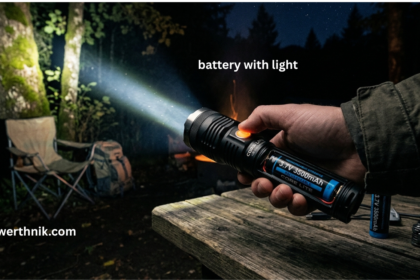
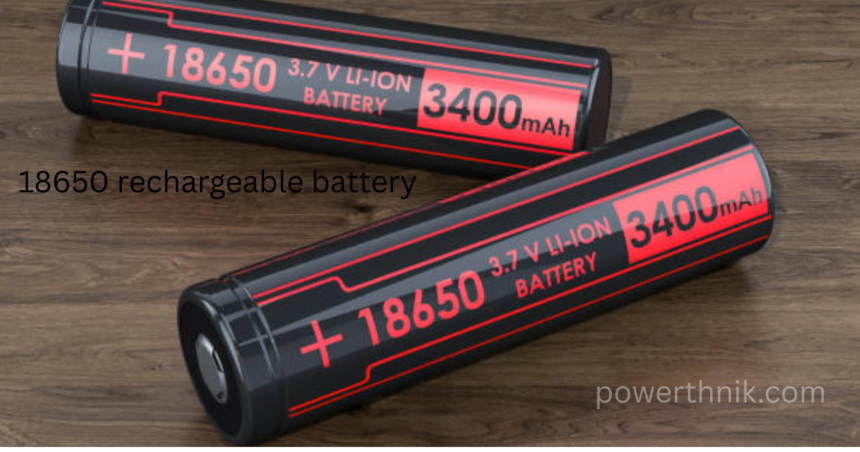
The name is simple. The cell is 18 mm wide and 65 mm long, and the numbers say exactly that. An 18650 rechargeable battery is a lithium-ion cell that stores a lot of energy in a small body. Most cells run at 3.7 volts, and good ones hold between 2,500 mAh and 3,600 mAh.
Because the cell is small and strong, makers use it in e-bikes, power banks and drones. One 18650 rechargeable battery can last 300 to 500 full cycles when you treat it well. Samsung, LG, Sony and Panasonic make the cells that most engineers trust.
Size, Voltage and Capacity Explained
Length is where buyers get confused. A bare cell measures about 65 mm, but a protected cell measures 68 to 70 mm because of the small circuit under the wrap. Before you order an 18650 rechargeable battery, measure your device and read the manual. Button top cells have a raised positive nub, while flat top cells sit flush, and some torches accept only one style.
Protected vs Unprotected Cells
Protected cells carry a tiny board that stops overcharge, over-discharge and short circuits. Unprotected cells have no board, so the device handles safety through a battery management system. I recommend a protected 18650 rechargeable battery for torches and DIY projects. Laptops and vape mods often use unprotected cells, but only experienced users should handle those.
What to Check Before Buying an 18650 Rechargeable Battery
Start with capacity, but do not chase the biggest number. A genuine 18650 rechargeable battery rarely goes above 3,600 mAh. Any cell that claims 9,000 mAh is fake, and I would not keep it near my pocket.
Next, check the discharge rating. A torch or a small fan needs only 5 to 10 amps, while vape mods and power tools need 20 amps or more. A trusted 18650 rechargeable battery from a known brand lists its continuous discharge current honestly.
Finally, buy from authorised sellers in the UK, the US and the Netherlands. A no-name 18650 rechargeable battery at half the normal price is a risk you do not need. Look for UL, CE or UKCA marks, clean wraps and a clear batch code.
Quick Buying Checklist
- Capacity below 3,600 mAh
- Discharge rating that matches your device
- Correct length and top style
- Branded cell with clear markings
- Seller with a clear return policy
Charging and Storing Your 18650 Rechargeable Battery Safely
Always use a proper lithium-ion charger that stops at 4.2 volts. Charging an 18650 rechargeable battery with a cheap USB lead or an unknown charger can cause heat and swelling. Never leave cells charging overnight, and never charge a damaged one.
Store cells in a plastic case, never loose in a pocket or bag, because keys and coins can short the metal ends. Keep your 18650 rechargeable battery at around half charge if you store it for months.
Recycling and Damaged Cells
Never throw old cells into the household bin. Tape both ends, place each cell in a cardboard box and take it to a recycling point. Many shops in the UK, the US and the Netherlands accept them. If a cell swells, leaks or gets hot, put it in a non-metal container with sand and take it to a hazardous waste site.
Final Thoughts
A good 18650 rechargeable battery is cheap, powerful and reusable, but only if you choose well and handle it with care. Check the size, pick a trusted brand, use the right charger and store every cell safely. These small habits protect your devices, your home and your money.
FAQs
What is an 18650 rechargeable battery used for?
It powers torches, laptops, e-bikes, power banks, vape mods and many tools.
Is a protected cell better than an unprotected one?
For most people, yes. The built-in board adds safety, so choose protected cells for torches and DIY projects.
How long does a cell last?
Most good cells last 300 to 500 cycles. Shallow charging and cool storage help them last longer.
Can I use any charger?
No. Use a lithium-ion charger designed for an 18650 rechargeable battery, and avoid cheap unbranded units.
Can I buy these cells in the UK, US and Netherlands?
Yes, you can buy them in all three countries. Airlines restrict spare cells in checked luggage, so check the rules before you travel.
Is an 18650 rechargeable battery with 9,000 mAh real?
No. Real cells top out near 3,600 mAh, so any higher claim means the cell is fake.