A 12V–240V inverter converts stored DC battery energy into standard household AC power, though you should always verify device wattage, socket compatibility, and operating frequency prior to purchase. UK appliances commonly use about 230V AC at 50Hz, so check appliance and inverter specifications before use.
US users need extra care because standard household power commonly uses 120V AC. A 240V output is not suitable for every US appliance or socket. Before buying, make sure to cross-check the device’s voltage requirements, line frequency, pin configuration, and wattage demands.
How a 12V to 240V Inverter Works
A 12V to 240V inverter receives direct current from a battery. Electronic switching changes the DC supply into alternating current while increasing the voltage for compatible appliances.
A complete 12V to 240V inverter system also needs suitable battery capacity, wiring, fuses, and secure connections. Keep the inverter dry and provide enough airflow around it.
Pure Sine Wave or Modified Sine Wave?
A 12V to 240V inverter with pure sine wave output usually offers broad appliance compatibility. Its waveform closely resembles utility electricity, making it suitable for laptops, televisions, chargers, refrigerators, microwaves, motors, and sensitive equipment.
Modified sine wave models can cost less and may operate simple resistive loads. However, some electronics can produce buzzing, excess heat, poor performance, or charging problems. Therefore, pure sine wave often makes the stronger choice for mixed loads.
How Much Power Do You Need?
Choosing a 12V to 240V inverter should start with appliances you expect to use together. Add their continuous wattage and compare that total with the inverter’s continuous rating. Then check each appliance for startup or surge demand.
Battery Size Matters
A 12V to 240V inverter can draw substantial current from a 12V battery. As the load rises, the battery must supply more current, while conversion losses increase demand.
For example, a 1,500W load can require more than 125A from a 12V battery before conversion losses. A 2,000W load can demand around 185A at 90% efficiency. These figures show why battery capacity, discharge limits, cable size, and fuse selection matter.
Lithium batteries can work well when their voltage and discharge ratings suit the inverter. Lead-acid batteries need different planning because usable capacity and voltage behavior differ.
Cable and Fuse Selection
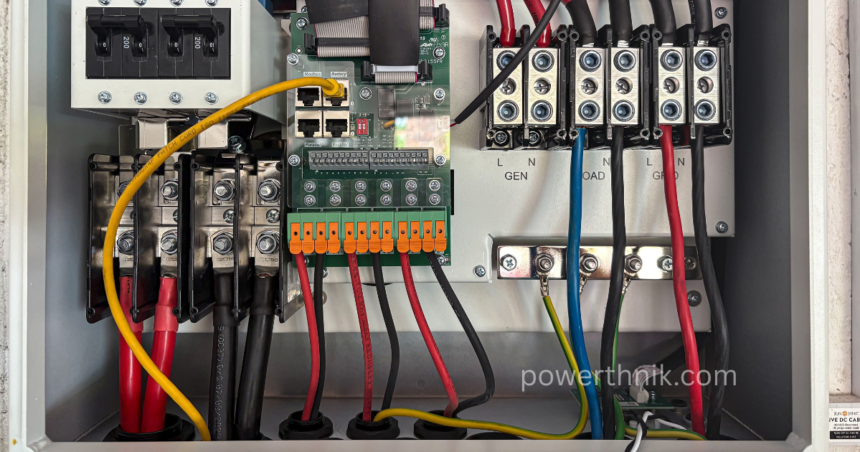
A 12V to 240V inverter needs suitable DC cables because low-voltage systems can carry very high current. Excessive cable length combined with undersized wiring leads to significant voltage loss and dangerous heat buildup. Shorter, correctly sized cables generally provide better performance.
A 12V to 240V inverter battery circuit should also include correctly rated protection. Fuses must be sized according to the overall circuit design and wire gauge, instead of relying solely on the inverter’s peak power rating.
Using an Inverter in a Campervan or Caravan
A 12V to 240V inverter can make off-grid travel more convenient. It enables off-grid operation for essential gear—such as laptops, TVs, small kitchen amenities, and battery chargers—when mains grid hookups are unavailable.
However, high-power appliances can drain a leisure battery quickly. A kettle or microwave may use much more stored energy than a laptop. Calculate expected usage before planning the electrical system.
A 12V to 240V inverter campervan installation should consider ventilation, cable routing, fusing, battery placement, and AC protection.
12V to 240V Inverter for Solar and Backup Power
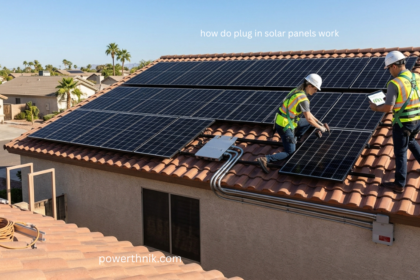
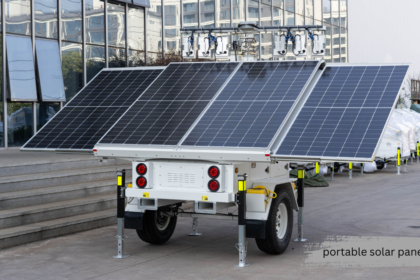
A 12V to 240V inverter can form part of a small solar backup system. Solar panels charge the battery, while the inverter converts stored DC energy into AC power when required.
Important Features to Check
A 12V to 240V inverter should offer features that match your use. Useful specifications include continuous output, surge output, low-voltage shutdown, high-voltage protection, overload protection, short-circuit protection, and overheating protection.
Check output frequency too. UK equipment commonly expects 50Hz, while US equipment often uses 60Hz. Voltage and frequency must match appliance requirements.
Is 240V Suitable for the United States?
A 12V to 240V inverter needs careful consideration in the United States. Standard US household circuits generally use 120V, while 240V equipment serves specific applications. Therefore, a 240V inverter should not automatically replace a standard US household inverter.
For UK buyers, 230V or 240V AC output can suit many household appliances when specifications match. Always follow manufacturer instructions.
Safety Tips for Everyday Operation
Never judge a 12V to 240V inverter only by advertised wattage. Check the battery’s maximum discharge current, cable rating, fuse protection, ventilation, and installation requirements.
Keep the inverter dry and allow adequate clearance for cooling. Do not overload AC outlets or connect appliances beyond continuous or surge ratings.
If the system uses mains input, transfer switching, or fixed household wiring, use appropriate electrical protection and qualified installation where required.
Best Buying Approach
A 12V to 240V inverter should match your appliances rather than an impressive specification sheet. Start with your largest continuous load, add devices that may operate together, and check startup demand.
Before purchase, compare the 12V to 240V inverter rating with your battery and appliance requirements. A 12V to 240V inverter with pure sine wave remains a strong all-purpose option for modern electronics and appliances. For simple loads, a cheaper design may work, but compatibility checks remain essential.
Frequently Asked Questions
Can a 12V to 240V inverter run a kettle?
Yes, but a 12V to 240V inverter must have enough continuous and surge capacity. A high-power kettle can draw substantial current from a 12V battery, so check battery limits and cable sizing first.
Is pure sine wave better for sensitive electronics?
Yes. Pure sine wave 12V–240V units deliver clean, stable power that is far better suited for microprocessors, motorized equipment, and delicate electronics than modified sine wave models. It can reduce compatibility issues and unwanted electrical noise.
Can I use a 240V inverter in the United States?
You can use a 12V to 240V inverter in a suitable US application, but confirm that connected equipment accepts 240V and the correct frequency. Because standard North American appliances typically run on a 120V supply, ensuring proper voltage matching is critical.
How do I calculate inverter size?
Add the running wattage of appliances that may operate simultaneously. Then check startup requirements and choose an inverter with adequate continuous and surge ratings.
Can an inverter drain a battery quickly?
Yes. High-power appliances can pull large currents from a 12V battery. Runtime depends on battery capacity, load, inverter efficiency, battery condition, and allowable depth of discharge.
Do I need a pure sine wave model?
For mixed loads and sensitive electronics, pure sine wave usually provides the widest compatibility. Simple resistive loads may work with modified sine wave models, but appliance guidance should always come first.