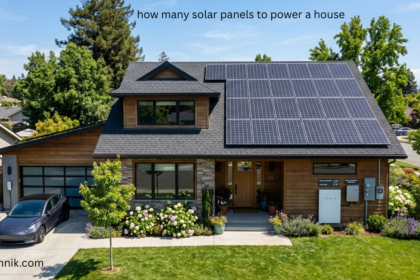

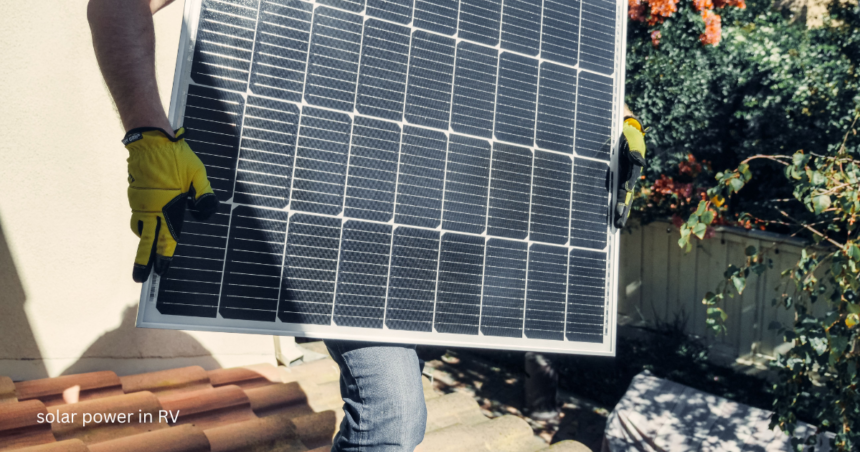
When I bought my 2005 Class C Motor Home the same model many people call a Lazy Daze solar power in RV living sat right at the top of my wish list, next to a kitty door near the bathroom and a composting toilet I remember reading Choosing Your RV long before I understood the real difference between rigid panels and flexible panels, or why monocrystalline cells cost more than polycrystalline ones on the open market. Back in school, I used to hide a calculator panel during math class just to watch the little screen fade, so this whole solar power obsession started long before I ever owned an RV.
Solar works system components
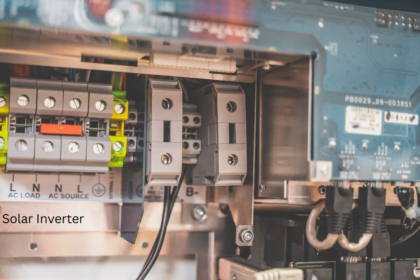
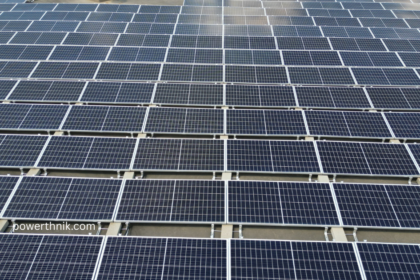
Every solid solar power in RV setup works the same basic way solar panels sit on the RV roof and send power down through wiring to a charge controller, which acts like the brains of the operation for the whole system. This little box turns raw sunlight into a proper charging profile so your batteries or a single battery if that’s all you run never take on more than they can handle. Without this essential component, a panel could easily overcharge the bank and cause serious damage, which is why installers add fuses and breakers on both sides of the controller for extra equipment protection.
Benefits of solar power in RV
A tiny 100 watts system might only charge a cell phone or a computer, but a properly sized setup with enough amp hours changes everything about life on the road. My own rig runs the air conditioner, keeps the refrigerator cold, and leaves the microwave and coffee pot ready to use, all without touching shore power.
I keep WIFI running everywhere I park, rely on temperature monitoring so I always know how Rufus, Willie, and Katie are doing inside, and run security cameras day and night so nothing at the campground goes unnoticed. Even during a power outage, I can head out for a dogs walk or grab a bite before plugging anything in, because true boondocking freedom turns shore power into an option instead of a requirement.
Running the air conditioner on solar power in RV setups
As long as the sun shows up, I can stay off grid and boondock for about 3 days through clouds and rain before I really need shore power again. My mini split air conditioner runs on regular 110 volts and uses a heat pump, which pulls a lot less power draw than most rooftop AC units mounted on top of a typical rig.
Getting solar power in RV systems to handle cooling really comes down to smart choices, so I close off my bedroom from the rest of the RV for extra energy conservation, and my thermal paned windows paired with light blocking curtains keep the heat outside where it belongs. A soft start device also helps by removing that big power spike some rooftop units need the moment they switch on.
Running the refrigerator on solar
My fridge runs happily on solar power any day the sun cooperates, pulling straight from my lithium battery setup without any trouble. I built in a safety net too once my battery bank drops below 90%, the fridge switches over to propane on its own to protect the cells. Most of the time during boondocking I flip that manual switch myself for extra energy conservation, since saving that last bit of charge really does add up over a long stretch.
Biggest electric draws
My Keurig alone pulls 1400 watts, and the microwave isn’t far behind at 1350 watts, so both stay on my personal breakdown list of appliances I unplug the moment I start real boondocking. Instead of carrying a heavy gas generator, I travel with a 1260 Wh battery backup rated for up to 1800W, strong enough to run power tools, a coffee maker, or even the refrigerator in a pinch. Plugged into a regular electric outlet, it reaches 80% charge in about 1 hour and hits 100% charge in roughly 1.5 hours, and it also supports solar charging if I ever add dedicated panels for it.
Battery capacity sizing
Think of the rain barrel analogy an AGM battery rated at 100 amp hours only gives you 50 amp hours of real, usable capacity, and anything beyond that just spills over as overflow. The battery itself is usually the bottleneck, the true weak link in any setup, whether you park near San Diego or up around Seattle. A good target is running 3 days without draining down to low voltage, and plenty of Rivers reach that goal with a pair of Battle Born batteries I personally run two lithium batteries instead of one bulky lithium battery, and it makes recovery on cloudy days much easier.
Types of solar panels in RV
Between monocrystalline and polycrystalline cells, I always lean toward the first for better durability and output when setting up solar power in RV. Installers bolt fixed panels onto a roof rack or lagged roof with proper waterproofing sealant, while a thin flexible panel that VHB tape holds down stays lightweight but can feel surprisingly fragile.
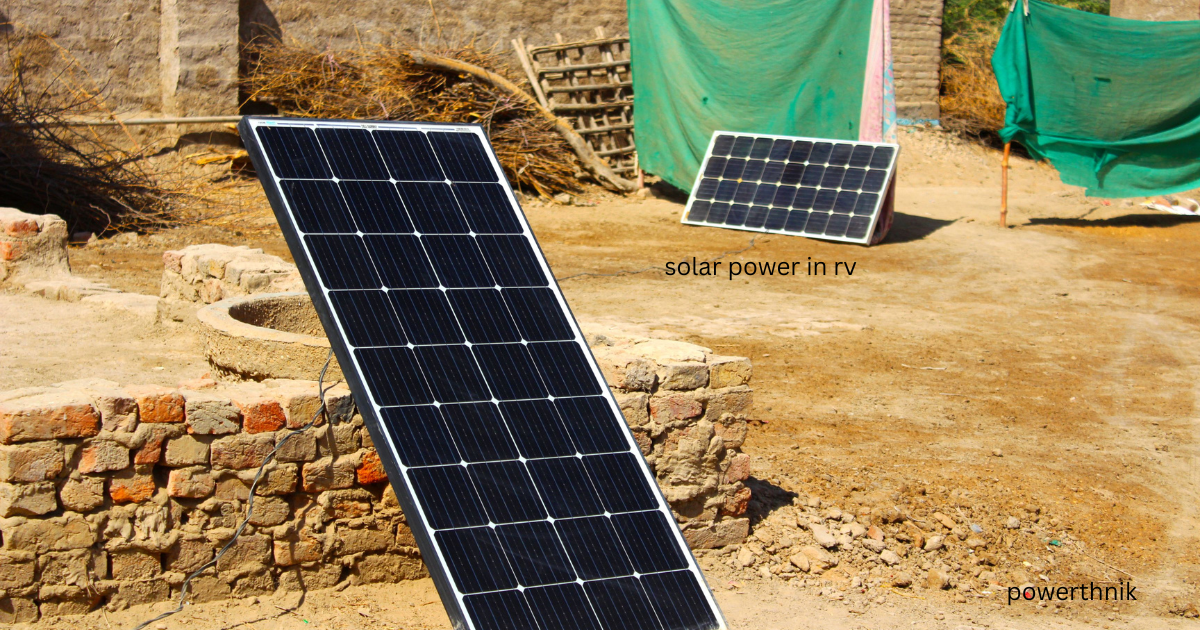
On the other side, portable panels like the Goal Zero Boulder offer corner protection and a suitcase style design that folds flat, while lighter foldable panels use a linear shape and often include a built in USB charge controller for smaller devices. Somewhere in the middle sits the hybrid panel, such as the Goal Zero Ranger or Jockey models that snap on with magnets and often come in a 300 watt size, trading a bit of performance for extra convenience.
Installation process
My whole kit cost just under $900 and included four 100 watt panels, all the mounting hardware, and an MPPT charge controller with Bluetooth built in, paired later with a pair of Battle Born batteries. On a clear day it typically pulls 20 24 amps, which works out to about 280 340 watts flowing straight into the bank
Installing it meant marking bracket holes, running proper Dicer sealant under every screw instead of trusting the stock rubber washer, and routing cable through a sealed junction box using a proper MC4 connector to keep water out. I matched the wire gauge to the run length, wired part of it in series wiring and part in parallel wiring, added a breaker and a fuse for protection, and connected the positive terminal first, then the negative terminal through the shunt on my battery monitor. I also left room for expansion, since I can pull out extra panels and tilt panels toward the sun whenever the rig sits parked in shade.
Sizing your system the math
Sizing gets easy once you remember that watts equal volts times amps on a standard 12 volt system. A 100 amp hour battery stores about 1200 watt hour total, but with only 50% usable capacity, you really work with 600 watts you can safely pull. To estimate daily output, multiply a panel’s rating by the 3.5 multiplier, a number that comes from roughly 70% efficiency across 5 hours daylight a 100 watt panel produces around 350 watt hours per day, while a 200 watt panel produces closer to 700 watt hours.
That math means a single 100 watt panel comfortably supports 3 day capacity planning against a 600 watt battery bank, so getting solar power in RV sizing right from the start saves a lot of guesswork later. Charge controller sizing follows the same logic divide panel wattage by 12 to get amperage, so a 10 amp controller handles up to 120 watts, and a 20 amp controller handles up to 240 watts.
Conclusion
Setting up solar power in RV living isn’t as complicated as it first looks once you break it down piece by piece. Start with a battery that actually matches your daily needs, pick panels and a charge controller that fit your budget and travel style, and the rest of the wiring and installation falls into place with a bit of patience.
I still remember how overwhelming all the numbers felt on my first setup, but every trip since has proven how much freedom a well planned system brings. Once you get solar power in RV form working the way you need it to, boondocking stops being a limitation and starts feeling like the whole point of owning an RV in the first place.
FAQs About Solar Power in RV
How does solar power in RV systems actually work?
Solar panels sit on the RV roof and send power through wiring to a charge controller, which regulates how much energy flows into the batteries. This prevents overcharging and keeps the whole system safe.
Can solar power in RV setups run an air conditioner?
Yes, but it depends on the system size and AC type. A mini split heat pump AC uses far less power than a standard rooftop unit, making it much easier to run on solar during boondocking.
How many days can I boondock using solar power in RV systems?
With a properly sized system, most Rivers can go about 3 days without sunlight (through clouds or rain) before needing shore power again, especially when paired with a solid lithium battery bank.
What size solar panel do I need for solar power in RV living?
It depends on your daily energy needs. A general rule is multiplying the panel’s wattage by 3.5 to estimate daily output for example, a 100 watt panel produces around 350 watt hours per day.
Monocrystalline or polycrystalline which is better for solar power in RV setups
Monocrystalline panels are generally preferred for RVs because they offer better durability and higher output, especially in limited roof space.
Do I need a charge controller for solar power in RV systems?
Yes, absolutely. A charge controller is essential it protects your battery bank from overcharging and ensures your panels charge safely and efficiently.