
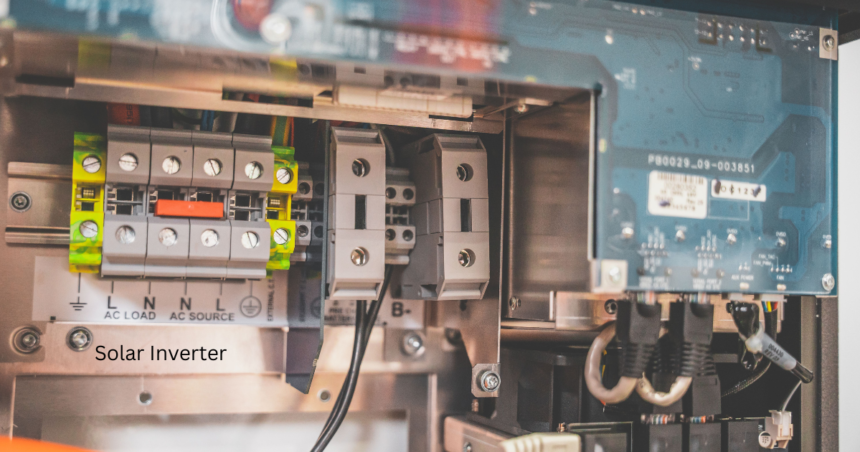
A solar inverter is the engine of any solar power system. Whether you pick micro inverters or a string inverter, both convert DC power from your panels into clean AC power for your home. Understanding wattage, conversion, and solar input is the first real step toward true energy independence.
How Does a Solar Inverter Work?
Think of electricity moving through your home like water through plumbing your solar panels act as the rain catcher, and the solar inverter acts as the pump that delivers steady pressure and flow. The process starts with collecting DC power from the panels, then the inverter applies Maximum Power Point Tracking (MPPT) to find the perfect voltage and current ratio. This step alone can boost energy gain by 10-20%, even during intermittent sunshine.
After optimization, the inverter converts everything into alternating current compatible with your home’s wiring and the local power grid.
Types of Solar Inverters Micro vs String
Micro inverters
attach to individual panels typically 2-4 panels each and include monitoring systems that track each panel separately. Because they handle power in small independent groups, a shaded or under producing panel barely affects overall output. They’re easy to expand, though servicing them on the roof takes more effort.
String inverters
pull all panel wiring into one central unit sized to your system’s total wattage and voltage. Their main weakness is that one underperforming panel can drag down the whole string’s output; adding power optimizers on each panel significantly reduces this weakness. Many installers now combine both types for maximum flexibility.
Which one should you choose?
For off grid systems, always confirm whether your inverter needs a battery to operate. If outages concern you, check whether your inverter can safely disconnect from the grid and keep your loads running.
How a Solar Inverter Saves You Money
A high capacity inverter paired with a well sized system can cut a household’s annual electricity bill by 30-50% at typical consumption levels (around 500 kWh/month). These savings compound every year from the first month of operation.
Premium inverters also push real time data to your phone, letting you run washing machines or charge an EV during peak solar hours instead of pulling from the grid at night a simple habit shift that adds up to real monthly savings.
On top of that, grid connected inverters send surplus energy back to the grid through net metering, and utilities typically credit you $200-$400 a year depending on location. Between reduced bills, smarter consumption, and net metering credits, a quality inverter pays for itself faster than most people expect.
Solar Panels What Feeds the Inverter
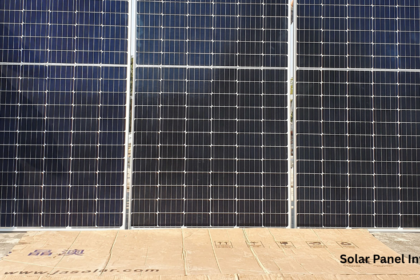
Your panels capture sunlight and push raw DC power into the system. Wattage ratings range from small 25W units to common residential panels at 100W, 200W, and 400W. If roof space is tight, higher efficiency panels reduce the number of panels you need. Bifacial panels capture light through their back surface too, pushing output up by as much as 30% compared to standard designs.
Every panel connects to your battery bank or solar inverter using standard MC4 connectors, and your total panel output sets the ceiling for everything downstream so matching panel output to the right inverter and battery size upfront saves money and prevents costly rewiring later.
Batteries Do You Need Them?
For a grid tied system, batteries are optional useful mainly if you want backup power during outages, through solutions like a Tesla Powerwall or stacked battery units. For a true off grid system, batteries are non negotiable, since power storage disappears the moment the sun sets.
Batteries come in different voltage ratings 12V, 24V, or 48V and each affects how the bank connects to your inverter and charge controller. Amp hours, kilowatt hours, cycle count, and temperature ratings all shape real world performance and lifespan. Always size your battery bank to your actual daily consumption before buying.
Charge Controller Keeping Power Stable
As clouds pass overhead, panel output swings between peak and reduced levels within seconds, sending bursts of unstable voltage toward your batteries. Left unmanaged, this stresses the battery bank and shortens its lifespan. The charge controller catches and smooths that irregular DC power before it reaches storage, using MPPT or standard charge management logic. If your inverter lacks this feature, adding a standalone charge controller isn’t optional; skipping it is one of the most expensive mistakes a new solar owner can make.
Wiring and Safety Basics
Outdoor wiring must use outdoor rated cable or run through conduit using THHN or THWN wire, both rated for exterior conditions. DC runs from panels to inverter should use proper MC4 connectors, while AC runs from inverter to breaker panel need conductors sized to the load, per code.
A PV combiner organizes multiple panels into a single output using built in fuses, while circuit breakers and DC/AC disconnects create deliberate break points so you can isolate any section for service. Nearly every safety component also provides surge and overload protection the one exception is the disconnect box, which is purely an on/off switch and must always be paired with proper fuses and breakers elsewhere in the system.
Conclusion
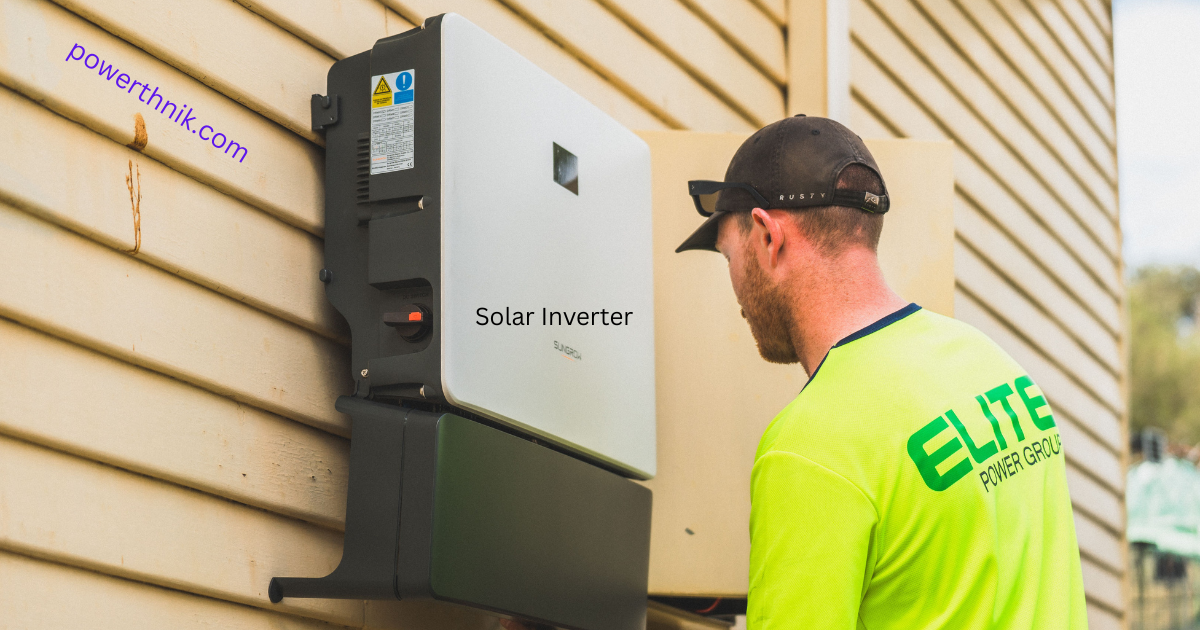
A solar inverter is not just a box on your wall it’s the engine that makes your entire solar investment work. From converting DC to AC, to managing voltage, enabling net metering, and protecting your batteries, it drives every function that matters. Pair the right inverter with properly sized panels, wiring, and batteries, and you build a system that delivers reliable residential power for decades.
FAQs Solar Inverter
What is a solar inverter and what does it do?
It’s a device that converts the DC electricity produced by solar panels into AC electricity that household appliances and electrical systems can use.
Why is a solar inverter important in a solar power system?
Most homes run on AC power. Without an inverter, the electricity your panels generate can’t be used effectively.
What are the signs of a faulty solar inverter?
Warning lights, error messages, reduced power output, unusual noises, overheating, or a complete loss of conversion.
Can a solar inverter work during a power outage?
Standard grid tied inverters shut down automatically during outages for safety. Hybrid and off grid systems with battery storage can keep supplying power.
What’s the difference between a string inverter and a microinverter?
A string inverter manages power from multiple panels as a group, while microinverters are installed on individual panels, letting each one operate independently for better performance.
How do I choose the right solar inverter for my system?
Consider system size, inverter efficiency, warranty coverage, panel compatibility, monitoring features, and your future energy needs.