
If you’re exploring solar energy for the first time, or planning to add battery backup to a system you already own, one component sits at the heart of it all: the inverter. This guide breaks down what an Inverter Solar Power setup actually is, the different inverter types on the market, how the technology works day to day, and what to think about before you buy. By the end, you’ll have a clear picture of how an Inverter Solar Power system connects your solar panels to the appliances running in your home and why picking the right one has such a big impact on your savings.
What Does an Inverter Solar Power System Actually Do?
When sunlight lands on the photovoltaic cells inside a solar panel, it triggers a flow of direct current (DC) electricity. The problem is that homes and the electricity grid itself run on alternating current (AC). That’s where the inverter comes in: it sits between your panels and your household wiring, converting raw DC power into the AC power your lights, appliances, and electronics can actually use.
Popular manufacturers in this space include EG4, Growatt, Victron, and Schneider, each producing inverters in a range of sizes and capabilities to suit different household demands. Many modern units go beyond simple conversion, too offering built-in monitoring so you can track how much energy your system is producing and using in real time.
The Different Types of Solar Inverters
No single Inverter Solar Power configuration works for every household. Here’s a rundown of the main categories you’ll come across.
String Inverters
These remain the go-to choice for most UK households. A string inverter links several panels together into a single unit, which keeps costs down and works well for roofs with steady, unobstructed sunlight. The downside: if one panel in the string underperforms (due to shade, dirt, or damage), it can drag down output for the entire array.
Micro Inverters
Rather than one central unit, micro inverters are installed on each individual panel. This makes them a strong option for roofs with partial shading or awkward angles, since one weak panel won’t affect the others. In exchange, you’ll pay more at the point of installation.
Hybrid Inverters
A hybrid inverter merges energy conversion and battery control into a single piece of equipment. It’s an increasingly popular pick for homeowners who want more energy independence now, or who are planning to add battery storage down the line.
Central Inverters
These are built for scale and are typically found in commercial or utility installations rather than residential rooftops.
Grid-Tie Inverters
A grid-tie inverter maintains a live connection to the national grid, so any extra electricity your panels produce can be sent back outward frequently generating income through programs such as the Smart Export Guarantee.
Off-Grid Inverters
Designed for properties with no grid connection, off-grid inverters draw power from batteries that are charged by your solar array, keeping the household fully self-sufficient. This setup is common for rural or remote properties.
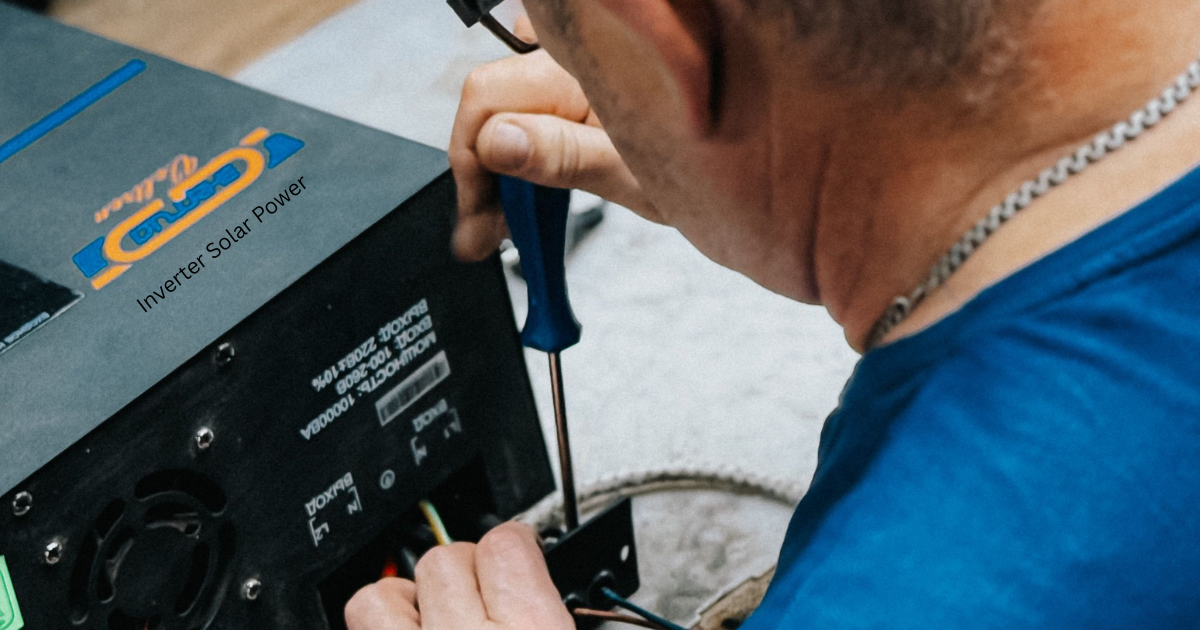
Sizing Your Inverter Correctly
Getting the size right is one of the most important decisions in the whole process of building an Inverter Solar Power system. Go too small, and you cap how much power your system can ever deliver even on a bright, sunny day. Go too large, and you’re paying for capacity you’ll rarely use, which eats into your return on investment.
The right size depends on several factors: the total output of your solar array, your household’s typical energy consumption, the type of property you have, and whether you’re planning to add battery storage in the future. It’s worth getting professional advice here, since a qualified installer can match the inverter type string, micro, or hybrid to your actual usage patterns and budget rather than a generic estimate.
Why the Inverter Choice Makes Such a Difference
The inverter you choose directly shapes how much usable power your Inverter Solar Power system delivers, how efficiently it runs, and how long it lasts. A well-built unit goes far beyond basic conversion it keeps constant watch on system health, catches problems before they escalate, and works alongside battery storage to make sure power is available exactly when it’s needed.
Take SolarEdge as an example: its setup combines optimisers with intelligent inverters, giving homeowners a breakdown of how each individual panel is performing. That level of detail makes it far easier to spot underperforming panels, plan maintenance, and get the most out of your investment over time.
How an Inverter Solar Power System Works, Step by Step
- The process begins when sunlight strikes the panels and produces DC electricity.
- That DC power flows into the inverter.
- The inverter converts it into AC electricity that your home’s appliances can use.
- Any electricity you don’t use immediately is either stored in a battery or exported to the grid.
- At night, or whenever demand outpaces what your panels are producing, the home draws power back from the grid (or from stored battery reserves, in an off-grid setup).
MPPT: The Technology Behind Peak Performance
A large share of today’s Inverter Solar Power systems come equipped with a feature known as Maximum Power Point Tracking (MPPT). In simple terms, MPPT constantly adjusts the system’s voltage and current to squeeze out the most power possible from your panels at any given moment. This matters a lot in a climate like the UK’s, where cloud cover, changing sunlight angles, and unpredictable weather can otherwise cause output to dip. With MPPT working in the background, your system stays closer to its full potential far more consistently.
The Bottom Line
A well-matched Inverter Solar Power setup is what turns a collection of panels on your roof into real, day-to-day savings. Taking the time to understand your options and getting the sizing and type right for your specific home is what separates a system that merely works from one that delivers strong value for years to come.
Frequently Asked Questions
What is an Inverter Solar Power system?
It’s a setup that pairs solar panels with an inverter to turn DC electricity into usable AC power for your home. Most systems also include battery storage, which helps cut energy bills further and lets you export surplus power to the grid.
How does the setup work in practice?
Solar panels capture sunlight and generate DC energy. The inverter then converts that into AC electricity for household use, while any excess gets stored in a battery or sent out to the grid.
What are the main types of solar inverters?
String, micro, hybrid, central, grid-tie, and off-grid inverters are the main categories within Inverter Solar Power systems. Each is suited to different property types, shading conditions, and energy goals from a straightforward family home to a fully self-sufficient rural property.
Can this kind of system power my whole house?
Yes a correctly sized system can cover a home’s full electricity needs, including appliances and lighting. Pairing it with battery storage keeps things running through the night and on overcast days.
How do I pick the right inverter for my home?
It comes down to your solar array size, household energy use, property type, and any future battery plans. A professional installer can help match the right inverter type to your specific budget and goals.
Does a solar power system need much upkeep?
Not really an Inverter Solar Power system needs minimal upkeep, especially with modern systems that include smart monitoring to catch potential issues early and protect your long-term savings.