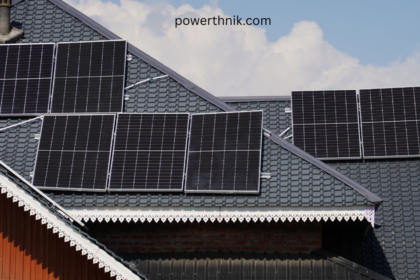

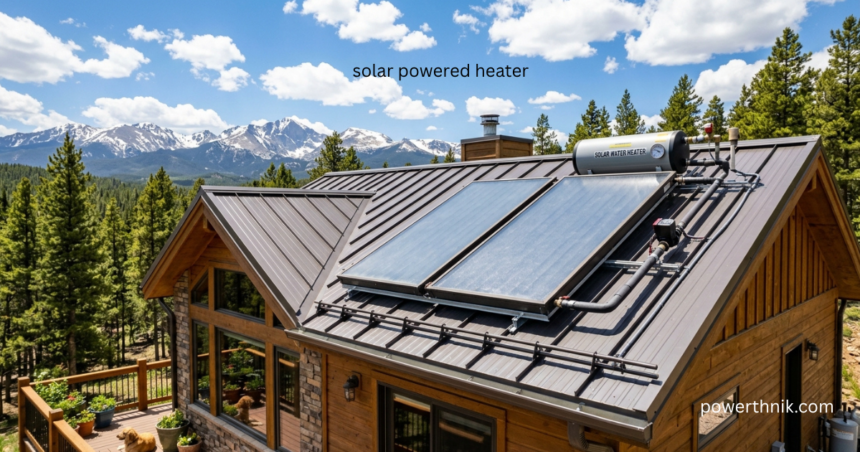
A solar powered heater uses energy from sunlight to provide heat for your home or hot water. Depending on the system, sunlight can either heat water directly through solar thermal panels or generate electricity that powers a heat pump or another electric heating system.
For UK homeowners, choosing the right system involves considering your home’s heating needs, roof suitability, energy consumption, installation cost and potential savings. This guide explains how a solar powered heater works, the main types available, UK costs, installation requirements, maintenance and whether solar-powered heating is worthwhile.
What Is a Solar Powered Heater?
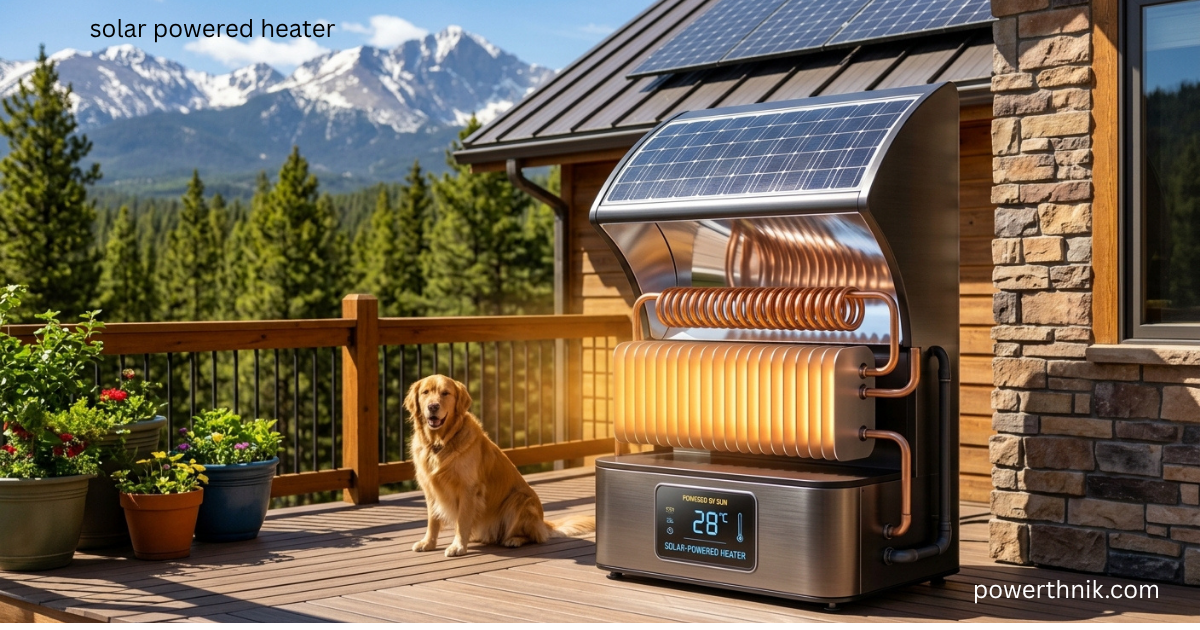
A solar powered heater is a heating system that uses energy from the sun either directly or indirectly. Instead of relying entirely on gas, oil or electricity from the grid, it uses solar energy to produce heat or generate electricity for heating.
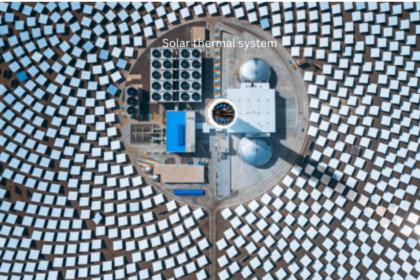
There are two main approaches. Solar thermal systems use sunlight directly to heat water. Roof-mounted collectors absorb solar energy and transfer the heat to water or a heat-transfer fluid. The heated water can then be stored in a hot water cylinder.
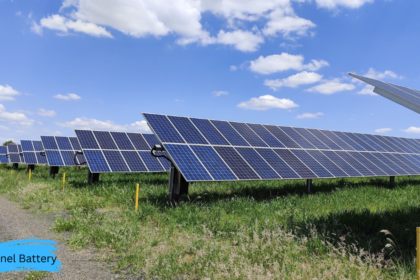
Solar PV systems work differently. Solar panels generate electricity from daylight, and that electricity can power equipment such as a heat pump, electric boiler or infrared heating panels. A battery can also store excess electricity for later use.
For many UK homes, solar PV can be a flexible option because the electricity generated can also power household appliances.
How Does a Solar Powered Heater Work?
How the system operates depends on the type of heating technology you choose.
How Solar Thermal Heating Works
Solar thermal panels contain a heat-transfer fluid that becomes warmer when sunlight reaches the collectors. A circulation system moves the heated fluid to a heat exchanger inside a hot water cylinder.
The heat is transferred to the home’s water supply, which can then be used for showers, baths, washing and other household needs.
Solar thermal systems can still produce useful heat on cloudy days, although their output is normally lower than during periods of strong sunlight.
How Solar PV Heating Works
Solar PV panels convert daylight into electricity. An inverter converts this electricity into power suitable for household use.
The electricity can operate a heat pump or another electric heating appliance. Excess electricity can potentially be stored in a battery or exported to the grid through an eligible export arrangement.
This makes solar PV useful beyond heating because the generated electricity can also be used for lighting, appliances and other household requirements.
Types of Solar Powered Heaters
There are several ways to use solar energy for heating. The best option depends on your property, existing heating system and budget.
Solar Thermal Panels
Solar thermal panels are designed specifically to heat water using sunlight. They connect to a suitable hot water cylinder and can reduce the amount of energy needed from conventional water heating.
They can be useful for homes with significant hot water demand and suitable roof space. However, their main purpose is heating water rather than generating electricity for other household appliances.
Solar-Powered Heat Pumps
A heat pump can use electricity generated by solar PV panels to provide heating and hot water. Heat pumps extract heat from the air or ground and transfer it into the property.
Combining a heat pump with solar PV can help homeowners make better use of renewable electricity. However, the initial installation cost can be significant.
In England and Wales, the Boiler Upgrade Scheme currently provides a standard grant of £7,500 for eligible air-to-water and ground-source heat pumps. Certain eligible off-gas-grid properties can receive up to £9,000.
Solar-Powered Electric Boilers
Electric boilers use electricity instead of gas or oil to heat water for central heating. Solar PV can supply some of the electricity required by the boiler.
However, solar panels do not generate the same amount of electricity throughout the day and year. During winter and at night, additional electricity may still be required from the grid.
Solar-Powered Infrared Panels
Infrared panels use electricity to produce infrared heat, which warms people and surfaces rather than heating the air in the same way as conventional radiators.
They can be suitable for individual rooms, home offices or spaces that do not need continuous heating. However, they do not provide domestic hot water and may require considerable electricity if used as the main heating system.
How Much Does a Solar Powered Heater Cost in the UK?
The cost of a solar powered heater varies depending on the technology, property size, roof, existing heating system and installation requirements.
As a rough guide:
| System | Approximate cost |
|---|---|
| Solar thermal system | Around £5,000 or more |
| Solar PV system | Around £6,000–£8,000 |
| Solar PV + heat pump | Often £15,000–£25,000+ before grants |
| Solar PV + electric heating | Depends on system size |
| Solar PV + infrared heating | Depends on the number of panels |
These are general estimates rather than fixed prices. Installation costs can vary significantly between properties.
The final price may be affected by roof access, electrical work, scaffolding, system size, battery storage and changes to your existing heating system. Getting several quotes is therefore the best way to establish the actual cost.
Can Solar Heating Reduce Energy Bills?
Yes, although the amount you save depends on your home and how much solar energy you can use.
Solar PV can reduce the amount of electricity you need to purchase from the grid. Using solar electricity during daylight hours can increase the amount of generated energy you consume directly.
A battery can store some excess electricity for later use, including during the evening when solar panels are no longer generating electricity.
Your potential savings depend on:
- Your home’s energy consumption
- Solar panel size
- Roof orientation and shading
- Local weather and daylight conditions
- Your electricity tariff
- How much solar electricity you use yourself
- Battery storage
- Heating system efficiency
Solar panels can generate electricity on cloudy days, although they generally produce more energy when sunlight is stronger.
Is a Solar Powered Heater Worth It?
A solar powered heater can be worthwhile, but it is not automatically the best option for every UK home.
Solar PV combined with an efficient heating system can be attractive for homeowners who want to reduce their reliance on grid electricity. A heat pump may be particularly suitable where the property is well insulated and eligible for available government support.
However, the initial investment can be substantial. Solar output also varies throughout the year, with winter generally providing less solar energy than summer.
Before investing, consider your current heating system, insulation, roof condition, annual energy consumption and how long you expect to live in the property.
What Affects Solar Heater Performance?
Several factors can influence how well a solar heating system performs.
Roof Orientation and Shading
The direction and angle of your roof can affect solar generation. Trees, chimneys and nearby buildings can also create shade and reduce the amount of energy produced.
Home Insulation
A well-insulated property generally requires less energy to maintain a comfortable temperature. Improving insulation before installing a new heating system can therefore improve overall energy efficiency.
Household Energy Usage
A household that uses more electricity during daylight hours may be able to use more solar energy directly. Battery storage can help households that use more electricity in the evening.
Heating System Efficiency
The efficiency of the heating appliance also matters. A more efficient system can make better use of the electricity generated by solar panels.
Installing a Solar Powered Heater
Installation requirements depend on the system selected.
For solar PV, installers mount panels on the roof and connect them to an inverter and the home’s electrical system. A battery can also be added for energy storage.
Solar thermal systems require collectors, pipework, controls and a suitable hot water cylinder.
A heat pump installation can involve an outdoor unit, internal equipment and changes to existing pipework or heating components. Some properties may also need insulation improvements or larger radiators.
Using a suitably qualified installer is important, particularly if you are applying for government support. Always check the requirements of the relevant scheme before arranging installation.
Maintaining a Solar Powered Heater
Solar PV systems generally require little routine maintenance. Panels should be visually checked for obvious damage, while the inverter and electrical components should be monitored for faults.
Solar thermal systems require additional maintenance because they contain a heat-transfer fluid and circulation equipment.
Heat pumps should be maintained according to the manufacturer’s recommendations. Regular servicing can help identify problems with filters, controls and other components.
Keeping trees and other potential sources of shade under control can also help maintain solar panel performance.
Benefits and Drawbacks of Solar Powered Heating
Benefits
- Uses renewable energy from sunlight
- Can reduce reliance on grid electricity
- May lower household energy bills
- Can work with heat pumps and battery storage
- Solar PV can power other household appliances
- Can help reduce household carbon emissions
- Solar PV systems can operate for many years
Drawbacks
- High initial installation cost
- Solar generation varies throughout the year
- Winter output is generally lower
- Suitable roof space may be required
- Batteries increase the upfront cost
- Solar thermal mainly focuses on hot water
- Heat pumps may require changes to an existing heating system
Final Thoughts
A solar powered heater can help UK homeowners make greater use of renewable energy, but the right system depends on the property and household.
Solar thermal systems are mainly designed for hot water, while solar PV can generate electricity for heating, appliances and battery storage. For many homeowners, solar PV combined with an efficient heating system such as a heat pump can provide greater flexibility.
Before making a decision, compare installation quotes and ask for clear information about expected energy generation, running costs and potential savings. A professional assessment can help you determine whether a solar powered heater is a suitable investment for your home.
Frequently Asked Questions
What is a solar powered heater?
A solar powered heater is a heating system that uses solar energy either directly to produce heat or indirectly by using solar-generated electricity to operate heating equipment.
Can solar panels heat a house?
Yes. Solar panels can generate electricity for equipment such as heat pumps, electric boilers and infrared panels. Solar thermal panels can also provide hot water, but they are not normally the only source of whole-home heating.
Can a solar powered heater work in winter?
Yes. A solar powered heater can still operate during winter because solar panels can generate electricity during daylight hours and cloudy weather. However, energy production is generally lower than during sunnier periods, so a backup energy source may sometimes be required.
How much does solar heating cost in the UK?
Costs vary depending on the system, property size and installation requirements. Solar PV can cost several thousand pounds, while combining solar PV with a heat pump can cost considerably more. A professional assessment is recommended for an accurate property-specific price.
Is solar heating worth it in the UK?
It can be worthwhile if your property has suitable solar potential and your energy consumption allows you to use the electricity generated. Your potential return depends on installation costs, energy prices, system performance and how much energy you use yourself.
Can I get a government grant for a solar powered heater?
A solar powered heater itself is not generally covered by the Boiler Upgrade Scheme. However, eligible heat pump installations in England and Wales can qualify for government support. The standard grant is currently £7,500 for eligible heat pumps, with higher support available for certain eligible off-gas-grid properties.