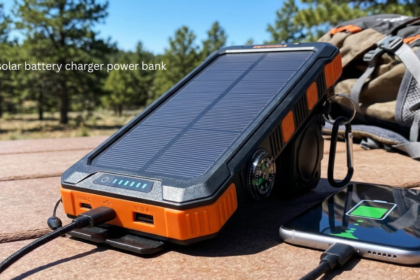

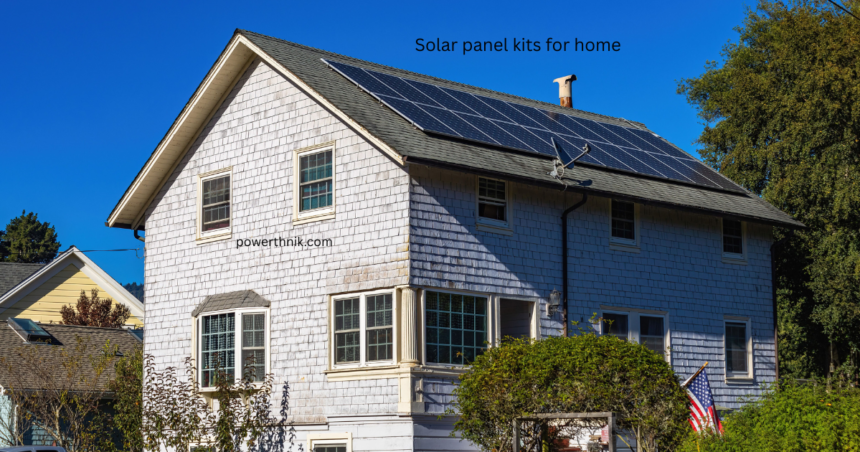
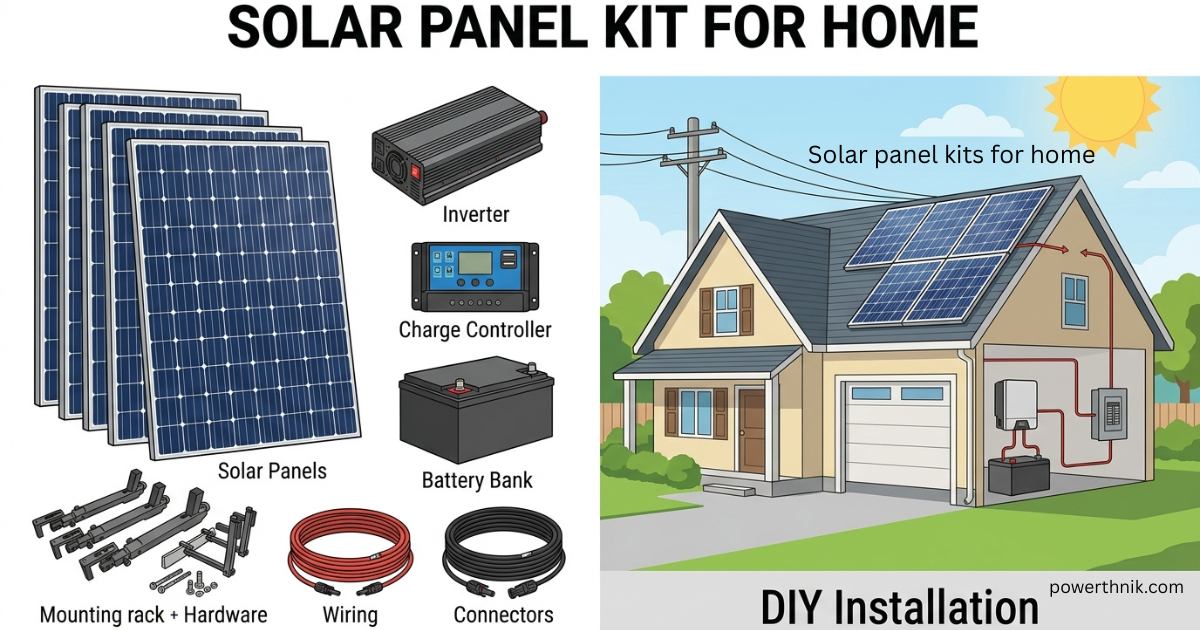
Solar panel kits for home are a practical way to explore renewable electricity without starting with a complicated system. A typical kit brings key equipment together, making the installation easier to understand and plan. Depending on the design, a package may include solar panels, a charge controller, cables, mounting hardware, and battery connections.
For UK households, choosing a suitable kit means looking beyond the panel itself. Roof space, sunlight, electricity use, system size, and the intended application all matter. Some kits suit permanent home installations, while others work better for cabins, garages, small projects, or backup power. This guide explains the main features to consider before buying.
Choosing the Right Kit
Solar panel kits for home come in different sizes and configurations. A small package can support low-power applications, while a larger system can provide more useful daily energy. For example, a 100 W 12 V starter kit may suit a small off-grid setup, camper, or basic battery system. Larger options can use 200 W panels or several panels connected together.
Monocrystalline panels are common because they provide strong output from a relatively compact surface. Some modern panels also use bifacial designs. These can receive light from the front and rear, including reflected sunlight, which can improve energy production in suitable conditions.
Before choosing solar panel kits for home, consider where the panels will be installed. A UK roof needs a secure mounting arrangement and enough clear space. Shade from trees, chimneys, or nearby buildings can reduce production. Therefore, panel placement and the available sunlight are just as important as the rated wattage.
Panel Efficiency and Construction
Panel efficiency shows how effectively a panel converts sunlight into electrical energy. Some products in the source material claim efficiency levels around 22% to 25%. Higher efficiency can be useful when roof space is limited, although real output also depends on weather, orientation, temperature, and shading.
Bifacial technology is one example of a feature designed to increase usable generation. A transparent rear surface can allow reflected light to reach the cells. Some panels also use layouts intended to reduce hot spots and limit the effects of cell damage.
Good construction is also important for outdoor use. Solar panels may face rain, wind, snow, and hail throughout the year. Products in the source material include IP65, IP67, and IP68 protection ratings, along with corrosion–resistant frames. Some panels are also described as handling strong wind and snow loads.
Solar Kits and Essential Components
The main equipment in solar panel kits for home usually works as one connected system. The panel produces electricity, while a charge controller manages power moving toward a battery. Cables and connectors then provide the electrical connections between components.
PWM charge controllers are included in some starter kits. A controller can help manage charging and protect the battery from conditions such as overcharging. Certain kits also include protection against over-discharge, excessive voltage, excessive current, short circuits, and reverse connections.
Some packages include battery clips, adapter cables, extension cables, or tray cables. Z brackets and other mounting parts can make installation more straightforward. However, the exact contents vary, so buyers should check the package carefully before ordering.
For permanent domestic installations, electrical work should be planned around the home’s existing system. A portable kit can be simpler, but a larger household system may require additional equipment and professional installation. The source material does not provide a complete UK installation procedure, so specific wiring requirements should be confirmed before work begins.
Portable and Off-Grid Uses
Solar panel kits for home are not limited to rooftop electricity. Smaller systems can support a weekend camper, tiny cabin, garage, shed, boat, or remote escape. These applications often need simple power for lights, cameras, small electronics, or battery charging.
A portable 200 W panel can be useful where mobility matters. Adjustable brackets can help users change the panel angle during the day. Longer cables can also make positioning easier when the battery or power station needs to remain in a sheltered location.
Off-grid users may choose a kit because it offers more independence from the grid. However, daily energy depends on sunlight and system design. A kit that produces enough energy in strong sunshine may deliver less during cloudy or short winter days. Battery capacity therefore matters when electricity is needed after sunset.
Small Solar Panel Kits for DIY Projects
Not every solar kit is designed to power a house. The source material also includes micro solar panels for educational projects, toys, garden lights, flashlights, and low-power electronics. These small photovoltaic cells can be useful for learning how sunlight becomes electricity.
Some examples include 5 V panels rated around 200 mA, 3 V panels around 150 mA, and smaller 5 V 30 mA cells. Pack sizes can range from a few pieces to ten units. Wire clips or pre-attached connections can make them easier to use in simple experiments.
For hobbyists, solar panel kits for home can become a practical introduction to renewable energy. A small cell can power a basic circuit, while a larger module can demonstrate battery charging or a small motor. These projects can help children and adults understand photovoltaic principles without building a full household system.
Educational Solar Kits
The source material also describes STEM kits that combine solar power with hands-on learning. Some projects include solar-powered cars, fans, wind-powered cars, wooden planes, and other simple models. These kits can be useful for classrooms, family activities, and science projects.
One Arduino-based tracking kit includes sensors and learning material designed to demonstrate programming and solar tracking. It can introduce users to light measurement, temperature and humidity sensing, and basic electronic connections. Such projects show that solar technology can be both practical and educational.
DIY kits may also include wooden puzzle projects, such as a small windmill house. These activities can teach clean-energy concepts while encouraging building and problem-solving skills. The source material mentions projects for different age groups, including children, teenagers, and adults.
Safety, Protection, and Reliability
When comparing solar panel kits for home, safety features deserve close attention. A quality package should use suitable connectors, protected electrical components, and a controller that matches the panel and battery specifications.
Some products in the source material list standards such as UL 61730, CSA C22.2, IEC 61730, and IEC 61215. These references relate to product safety and testing. Buyers should still check the exact certification claims for the model they plan to purchase.
Environmental protection also affects long-term reliability. Outdoor panels need protection against moisture and weather exposure. IP ratings provide information about resistance to dust and water, while a strong frame can help the panel withstand outdoor conditions.
How to Compare Kits
Solar panel kits for home should be compared by more than price. Start with panel wattage and efficiency, then check the controller rating, cable length, mounting equipment, connectors, and battery compatibility. Also consider whether the kit is intended for grid-connected, portable, or off-grid use.
Warranty terms can provide another useful comparison point. The source material describes one complete kit with a 10-year materials and workmanship plan, a two-year charge controller warranty, and a 25-year panel power-output warranty. These terms vary by manufacturer, so they should never be assumed for every kit.
Installation speed can also matter. Pre-drilled mounting holes, included brackets, and prepared cables can reduce setup work. Still, easy installation does not mean every system is suitable for a home electrical connection. Larger domestic systems should be assessed carefully before installation.
What to Check Before Buying
Solar panel kits for home should match the job you expect them to perform. Solar panel kits for home intended for a shed may have very different requirements from a household backup system. Check the panel voltage, controller capacity, cable connections, and battery requirements before purchase.
Solar panel kits for home with included brackets and cables can simplify setup, but compatibility still matters. Solar panel kits for home are easier to compare when every specification is checked against your actual energy needs. Also consider the available roof area, expected sunlight, weather conditions, and the appliances you want to operate.
Final Buying Advice
Solar panel kits for home can range from compact starter packages to larger systems designed for more serious energy use. The best choice depends on the electricity you need, the space available, and how you plan to use the system.
Look for suitable panel capacity, reliable protection, compatible components, and clear warranty information. For small projects, micro panels and educational kits can provide a simple introduction. For cabins, campers, and backup applications, portable systems may offer greater flexibility.
For a UK household, weather and seasonal sunlight should also be part of the decision. Do not judge a system only by its maximum output under ideal conditions. Think about winter performance, battery storage, shading, and the equipment you want to run.
Frequently Asked Questions
1. What are solar panel kits for home?
Solar panel kits for home combine important solar equipment, such as panels, cables, mounting parts, and a charge controller. The exact contents depend on the kit and its intended use.
2. Can I use a solar kit for an off-grid property?
Yes. Solar panel kits for home can support cabins, sheds, campers, and other off-grid applications. However, you should choose the panel, battery, and controller according to your energy requirements.
3. What should I check before buying a solar kit?
Check the panel wattage, voltage, efficiency, controller capacity, cable length, mounting equipment, battery compatibility, protection rating, and warranty. These specifications help ensure the components work together correctly.
4. Are small solar kits useful for DIY projects?
Yes. Smaller kits can power low-energy devices, garden lights, toys, and educational projects. They can also help beginners understand how photovoltaic cells convert sunlight into electricity.
5. Are solar panel kits for home suitable for UK weather?
Many outdoor solar panels are designed to handle rain, wind, snow, and other weather conditions. Before buying, check the panel’s protection rating and construction quality, especially if you plan to install it outdoors in the UK.