
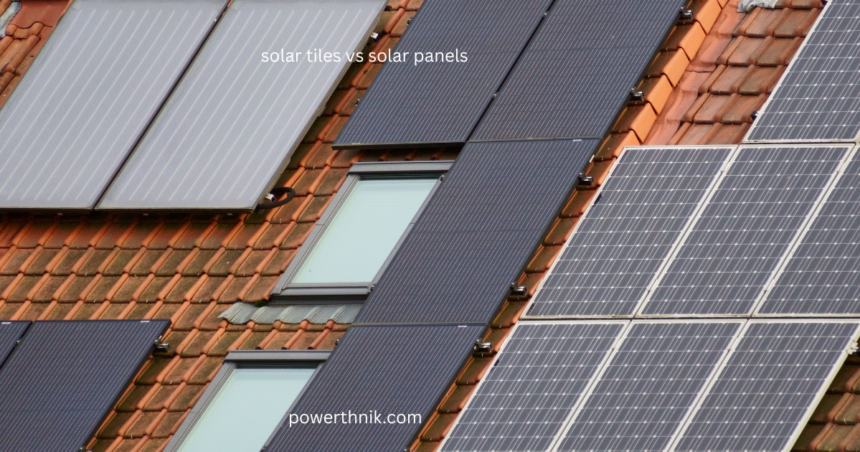
Choosing between solar tiles and solar panels can feel difficult when both options produce clean electricity. However, they work in different ways and suit different types of homes. Solar tiles vs solar panels is mainly a choice between roof integration, efficiency, installation, appearance, and cost.
Solar panels remain the more established option for UK households. They sit above the existing roof and use mounting brackets for support. Solar tiles, meanwhile, become part of the roof itself. Therefore, your existing roof condition and future plans can strongly influence the better choice.
This guide compares both options in simple terms. It covers efficiency, installation, appearance, durability, pricing, roof suitability, and long-term value. By the end, you should have a clearer idea of which technology fits your home.
What Are Solar Tiles and Solar Panels
Both systems use photovoltaic cells to capture energy from sunlight. These cells convert solar energy into electricity that your home can use. As a result, both technologies can help reduce electricity bills and reliance on energy suppliers.
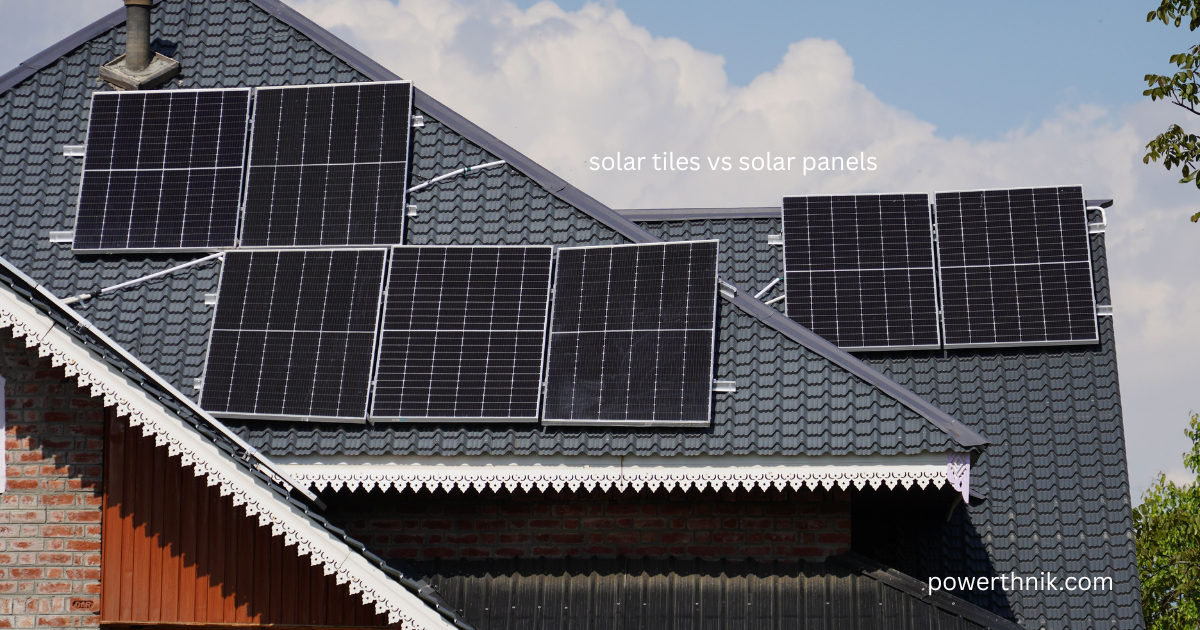
Traditional solar panels normally sit above existing roof tiles. Installers can position and angle them to receive good sunlight throughout the day. This flexibility makes panels suitable for many existing homes.
Solar tiles work differently because they replace part or all of the conventional roof covering. They combine roofing materials with photovoltaic technology. This creates a more integrated appearance and can make the roof look closer to a traditional tiled roof.
Solar Tiles vs Solar Panels: Main Differences
The biggest difference involves how each system connects with your roof. Solar panels usually require mounting equipment above the roof. Solar tiles become part of the roof structure, so installation can involve more roofing work.
Efficiency also separates the two options. Many standard solar panels achieve around 18% to 22% efficiency. Solar tiles can range from around 10% to 20%, although some newer designs can perform closer to conventional panels.
Cost creates another major difference. Solar tiles generally cost more because they involve newer technology and more complicated installation. Therefore, homeowners should compare the complete project cost instead of looking only at the solar equipment price.
Energy Generation and Efficiency
Efficiency matters because it determines how much electricity a system can produce from available roof space. Higher efficiency can provide more electricity without requiring additional roof area. This becomes especially useful when a property has limited suitable roof space.
Most modern solar panels offer strong energy generation. Some of the best solar panels can achieve efficiency levels around 22%. Their established technology also gives homeowners plenty of product choices when comparing systems.
Solar tiles can provide useful energy generation too. Some CIGS-based designs can achieve efficiency close to traditional panels. However, highly stylized tiles may sacrifice some efficiency to achieve a particular appearance.
When considering solar tiles vs solar panels, homeowners should therefore compare the actual efficiency rating of each product. Do not assume that every solar tile performs the same way. Product design, roof direction, shading, ventilation, and temperature can all influence real-world generation.
Installation and Roof Suitability
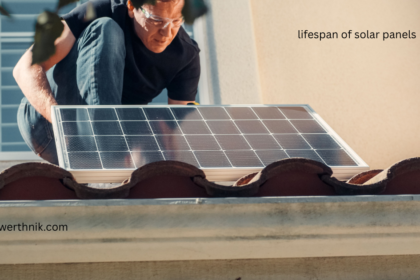
Installation is one of the clearest differences between these technologies. Solar panels can normally attach to an existing roof using mounting brackets. Installers can also adjust their position to improve exposure to sunlight.
Solar tiles require more planning because they form part of the roof covering. They usually make more sense during a new-build project or complete roof replacement. Installing them onto an existing roof can involve removing conventional tiles and replacing them with a combination of solar and non-solar tiles.
Roof pitch also matters. Traditional panels can often receive adjustments through their mounting system. Solar tiles depend more heavily on the existing roof angle. Therefore, some roofs may suit panels better than tiles.
Installation time can also differ. A conventional domestic solar PV installation may take only a few days. A solar tile project can take much longer when extensive roof work becomes necessary.
Appearance and Roof Design
Appearance remains one of the strongest reasons homeowners consider solar tiles. Traditional panels can look prominent because they sit above the roof surface. Some homeowners may prefer a cleaner and more integrated design.
Solar tiles aim to blend with the surrounding roof. Manufacturers can design them to resemble traditional roof tiles or slate shingles. This approach can make solar technology less noticeable from the street.
However, homeowners who want an integrated appearance do not have only one option. In-roof solar panels can sit more flush with the roof than conventional panels. They can provide a subtle appearance while keeping many advantages of standard photovoltaic panels.
This makes appearance an important part of solar tiles vs solar panels, but it should not become the only deciding factor. A beautiful system still needs to provide suitable energy generation and reasonable long-term value.
Durability and Expected Lifetime
Solar panels have a proven track record and commonly carry expected lifetimes of around 20 to 25 years. Their established design also makes individual replacement relatively straightforward when damage or faults occur.
Solar tiles are newer, so their long-term average lifetime remains less established. However, many suppliers offer long warranties, including guarantees around 20 years. Some manufacturers also promote their tiles as highly durable roofing products.
Because solar tiles form part of the roof, they must withstand rain, wind, heat, and other outdoor conditions. They also need to protect the roof underneath while generating electricity.
For homeowners comparing solar tiles vs solar panels, warranty terms deserve careful attention. Check what the warranty covers, how long it lasts, and whether it covers both the roofing material and electricity generation.
Solar Tiles vs Solar Panels Cost in the UK
Price can make the decision much easier for homeowners working with a limited budget. Solar panels generally cost less than solar tiles because their installation is simpler and the technology has a larger market.
Example figures from the supplied UK material show solar panel installation costs of around £2,000 to £3,000 for 1kW. A solar tile roof can cost around £5,000 to £6,000 for the same capacity.
For a 2kW system, example panel costs range from £3,000 to £4,000. A comparable solar tile roof can range from £6,000 to £8,000. At 3kW, panels may cost around £4,000 to £6,000, while solar tiles may reach £8,000 to £12,000.
For 4kW, example solar panel installation costs range from £6,000 to £8,000. A solar tile roof can reach around £12,000 to £16,000. Actual prices vary according to roof size, location, system capacity, installation complexity, and installer.
These figures show why solar tiles vs solar panels requires a complete cost comparison. Solar tiles can cost considerably more, but the calculation changes if you already need a new roof.
When Solar Tiles Can Make Sense
Solar tiles can make sense when a homeowner already plans to replace the roof. Instead of paying separately for roofing and solar installation, the two projects can form one integrated system.
They can also appeal to homeowners who strongly value appearance. A solar tile roof can provide renewable energy without creating the prominent appearance associated with conventional panels.
New-build properties may also suit this technology. Architects and homeowners can plan the roof around the solar system from the beginning. This can make the final design more cohesive.
Some properties may also have aesthetic or planning considerations. Conservation areas and listed properties can involve additional restrictions. Homeowners should always check the relevant requirements before starting work.
When Solar Panels Are the Better Choice
Solar panels are usually more practical for homeowners who want to add solar technology without replacing their roof. They can work with many existing roofs and provide greater flexibility during installation.
They also suit homeowners who want strong electricity generation while keeping the initial investment lower. Standard panels offer a wide choice of manufacturers, capacities, efficiency ratings, and mounting solutions.
Another advantage involves maintenance and replacement. If a panel develops a problem, installers can generally access and replace the affected component without rebuilding the roof.
For many UK households, solar tiles vs solar panels therefore comes down to priorities. If affordability, flexibility, and proven technology matter most, conventional panels may provide the stronger overall option.
Which Option Offers Better Long-Term Value
Long-term value depends on more than the initial purchase price. Homeowners should consider energy generation, installation costs, roof condition, expected lifetime, warranties, maintenance, and future energy savings.
A solar panel system may provide a quicker financial return because it normally costs less to install. Higher efficiency can also help generate more electricity from the available roof area.
Solar tiles can offer additional value when a roof replacement already forms part of the project. In that situation, the homeowner receives both a new roof and an integrated solar system.
However, homeowners should avoid assuming that solar tiles automatically provide better value. Calculate the complete cost and compare expected electricity generation before making a final decision.
Pros and Cons of Solar Tiles
Solar tiles offer an attractive appearance and integrate directly into the roof. They can suit new-build properties and homes undergoing major roof replacement. They also remove much of the raised appearance associated with conventional panels.
The main disadvantage involves cost. Solar tiles can require considerably more investment than standard panels. Installation may also take longer because the roof becomes part of the solar project.
Efficiency varies between products too. Some solar tiles can approach conventional panel performance, while highly stylised designs may produce less electricity from the same area.
Pros and Cons of Solar Panels
Solar panels provide a mature and widely used solar solution. They normally cost less than solar tiles and offer greater flexibility during installation. Installers can position them to make better use of available sunlight.
They also provide strong efficiency and a wide range of product choices. If a panel becomes damaged, technicians can usually replace it without replacing the entire roof covering.
The main disadvantage involves appearance. Some homeowners dislike the way panels sit above the roof. However, in-roof systems can provide a more integrated alternative.
Final Verdict: Which Should UK Homeowners Choose
There is no single answer for every property. Solar tiles vs solar panels should be decided according to your roof, budget, energy requirements, appearance preferences, and future plans.
Choose solar panels if you want a proven, flexible, and generally more affordable solar solution. They work particularly well when your existing roof remains in good condition.
Consider solar tiles if you are building a new home or replacing your roof. They can provide a cleaner appearance while combining roofing and solar generation into one system.
Ultimately, both technologies can help produce renewable electricity and reduce household energy costs. The smartest choice comes from comparing the complete installation rather than focusing on appearance or equipment price alone.
FAQs
Are solar tiles better than solar panels?
Solar tiles vs solar panels depends on the property and homeowner’s priorities. Solar tiles offer better roof integration, while panels generally provide stronger value, flexibility, and established performance.
Are solar tiles more expensive than solar panels?
Yes, solar tiles generally cost more. Their installation can involve substantial roof work, while conventional panels can normally attach to an existing roof using mounting equipment.
Which is more efficient, solar tiles or solar panels?
In most cases, standard solar panels provide higher efficiency. However, some modern solar tiles can achieve performance close to conventional panels, depending on their technology and design.
Can I install solar tiles on my existing roof?
Solar tiles normally work best with a new or replacement roof. They become part of the roof covering, so installing them may require much more work than fitting conventional panels.
Do solar tiles last as long as solar panels?
Solar panels commonly have expected lifetimes of around 20 to 25 years. Solar tiles are newer, so their long-term average lifetime has less established evidence, although many suppliers provide long warranties.
Should I choose solar tiles or solar panels in the UK?
For most homeowners, solar tiles vs solar panels comes down to cost, roof condition, appearance, and energy needs. Panels often suit existing roofs, while tiles can suit new builds or roof replacements