
The lifespan of solar panels is an important consideration for UK homeowners planning to invest in solar energy. Solar panels can help reduce household electricity bills while supporting cleaner and more sustainable energy use. Since a solar PV system can cost a significant amount to install, understanding how long it can keep producing electricity helps you judge its long-term value.
Most modern solar panels can work effectively for around 25 to 30 years. However, they do not suddenly stop working after this period. Instead, their electricity production gradually falls as the panels age. With good-quality equipment, proper installation, and sensible maintenance, many panels can continue generating useful power beyond their expected service period.
For homeowners, the real question is not only how many years a panel can remain on a roof. It is also how efficiently it can produce electricity throughout those years. A panel that continues producing useful power after 25 years can still provide value and reduce reliance on electricity from the grid.
How Long Do Solar Panels Last?
The lifespan of solar panels is generally around 25 to 30 years. Manufacturers design modern solar panels to withstand long-term exposure to sunlight and changing weather conditions. Some panels may continue operating for 40 years or more, although their electricity output will normally decline as they become older.
Solar panels do not have a fixed expiry date. Instead, they experience gradual degradation. For example, a panel with a degradation rate of around 0.5% each year could retain about 90% of its original output after 20 years and approximately 87.5% after 25 years.
This gradual reduction means homeowners do not automatically need to replace their panels when they reach the 25-year mark. If the system still produces enough electricity for the household, keeping the existing panels may remain a sensible option.
What Is Solar Panel Degradation?
The lifespan of solar panels depends partly on how quickly their output decreases over time. It occurs because panels spend their entire working life exposed to sunlight, ultraviolet radiation, temperature changes, moisture, and outdoor weather.
Modern panels usually experience a relatively slow degradation rate. Depending on the technology and product, annual degradation can fall within approximately 0.2% to 0.8%, although rates can vary between manufacturers and panel types. A lower degradation rate generally allows a panel to produce more electricity over its complete working life.
Several forms of degradation can affect a solar panel. Age-related wear can occur naturally, while Light-Induced Degradation can happen during the early period of exposure to sunlight. Potential-Induced Degradation can also affect output under certain electrical and environmental conditions.
Temperature changes create another concern. Thermal cycling causes materials to expand and contract repeatedly, which can contribute to small cracks within the panel. Humidity, high temperatures, freezing conditions, and UV exposure can also affect protective materials over many years.
What Affects Solar Panel Lifespan?
The lifespan of solar panels can vary depending on the quality of the equipment, installation, maintenance, and local climate. Homeowners can influence several of these factors before and after installing their system.
Panel quality plays a major role. High-quality panels usually use durable materials and manufacturing processes designed to maintain performance over a long period. Monocrystalline panels are widely used for residential systems, while polycrystalline panels provide another option.
The construction of the panel also matters. Solar cells sit behind protective materials, while the glass and frame help shield the panel from outdoor conditions. Choosing products from a reputable manufacturer can give homeowners better confidence in long-term performance.
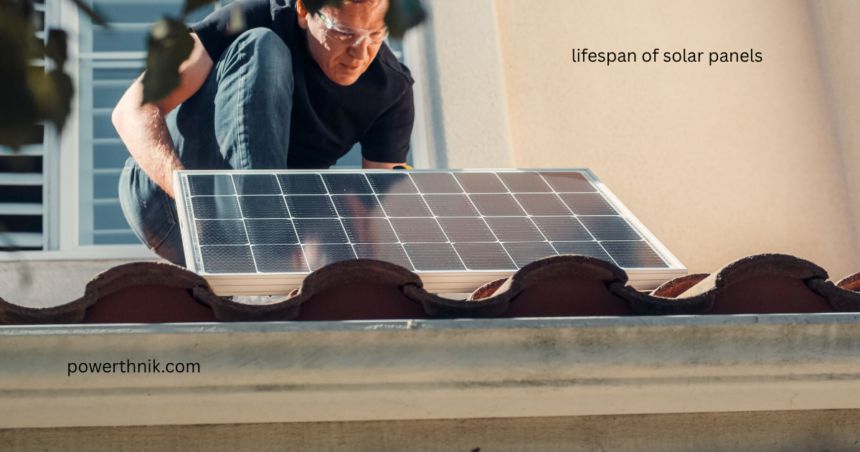
Installation quality matters just as much. A professional installer can position panels correctly, secure the mounting system, manage electrical connections, and reduce the risk of problems such as water ingress or unnecessary mechanical stress. Poor installation can create problems that may affect both efficiency and durability.
How Does UK Weather Affect Solar Panels?
The lifespan of solar panels can also depend on the environment in which the system operates. UK panels must cope with rain, wind, temperature changes, humidity, frost, and occasional snow. Modern solar panels have strong construction that allows them to handle normal outdoor conditions.
Manufacturers test panels against different forms of environmental stress. Tempered glass protects the front surface, while protective layers help shield the solar cells from moisture and physical damage. Aluminum frames also provide structural support and resistance to corrosion.
Coastal properties may need additional consideration because salt in the air can increase corrosion risk. Similarly, areas that experience stronger winds or unusual weather may require suitable mounting and equipment.
Although UK weather can affect solar panels over time, normal rain and sunlight do not mean that panels will quickly fail. Properly installed products can withstand typical British conditions for many years.
How Can You Extend Solar Panel Lifespan?
Regular care can help protect the performance of a solar system. One of the simplest steps involves keeping the panel surface reasonably clean. Dust, leaves, pollen, and bird droppings can reduce the amount of sunlight reaching the solar cells.
Rain naturally cleans many panels in the UK, so homeowners may not need frequent manual cleaning. However, properties near trees, busy roads, farms, or dusty areas may collect more dirt. During long dry periods, a gentle cleaning may help restore normal performance.
Homeowners should also inspect the system from time to time. Cracked glass, damaged frames, loose connections, or unusual drops in electricity production can indicate a problem. A qualified solar professional can inspect areas that homeowners cannot safely access themselves.
Keeping nearby trees under control can also help. As trees grow, they can create shade across the panels and reduce energy production. Maintaining clear sunlight exposure helps the system generate more electricity throughout the day.
Why Solar Panel Installation Quality Matters
A good installation gives the solar system a strong foundation for long-term operation. Installers need to consider roof structure, panel positioning, mounting equipment, wiring, ventilation, and exposure to sunlight.
Poor installation can lead to avoidable problems. Incorrect mounting can place unnecessary stress on panels, while poor electrical connections can affect system performance. Water can also enter areas that installers have not properly protected.
For this reason, homeowners should look for an experienced and appropriately qualified solar installer. A well-installed system can handle normal weather conditions and operate more reliably throughout its working life.
Solar Panel Warranties
The lifespan of solar panels can also be assessed through the warranties offered by manufacturers. Most panels come with a product warranty and a performance warranty, and both provide useful information when comparing different products.
A product warranty generally covers defects in materials and workmanship. Standard products may offer around 10 to 15 years of protection, while some premium panels provide 25-year or 30-year product warranties.
A performance warranty focuses on electricity production. It usually states how much output the panel should retain after a specific number of years. Some manufacturers guarantee that panels will retain around 80% to 87% of their original output after 25 years.
Homeowners should read warranty conditions carefully. Poor installation, unauthorised modifications, or certain types of damage can affect warranty protection. Checking the warranty before buying can therefore help you understand what protection you actually receive.
How Long Does a Solar Inverter Last?
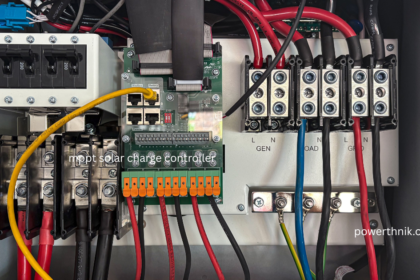
Solar panels are not the only components that matter when considering system longevity. The inverter converts the DC electricity produced by the panels into AC electricity that household appliances can use.
An inverter normally has a shorter working life than the panels themselves. Many inverters operate for around 10 to 15 years, so homeowners may need to replace this component during the solar system’s lifetime.
Replacing an inverter does not mean replacing the entire solar array. If the panels remain in good condition, they can continue generating electricity with a new inverter. Regular system checks can help identify inverter problems before they cause significant disruption.
When Should You Replace Solar Panels?
The lifespan of solar panels should not be treated as a strict replacement deadline. A panel reaching 25 years does not automatically mean it has become useless. Instead, homeowners should consider its actual electricity production, physical condition, maintenance requirements, and financial value.
A replacement may make sense when the panels produce significantly less electricity than the household needs. A noticeable fall in solar production combined with higher electricity bills can indicate that the system needs professional assessment.
Newer solar technology can also influence the decision. Modern panels may offer improved efficiency and lower degradation rates, allowing homeowners to generate more electricity from similar roof space.
However, replacing a working system simply because it has reached a certain age may not always provide the best financial result. Comparing the expected savings from new panels with the remaining performance of the existing system can help you make a more informed choice.
What Happens to Old Solar Panels?
When older panels eventually reach the end of their useful service, homeowners have several options. They can continue using panels that still generate enough electricity, upgrade to newer technology, or replace damaged and inefficient equipment.
Solar panel recycling provides an important end-of-life option. Panels contain materials such as glass, aluminium, silicon, copper, and smaller quantities of other valuable metals. Specialist recycling processes can recover many of these materials for further use.
Recycling reduces unnecessary waste and supports the wider circular economy. As solar adoption increases, responsible handling of old panels will become an increasingly important part of sustainable energy use.
Is Solar Worth It for 25 to 30 Years?
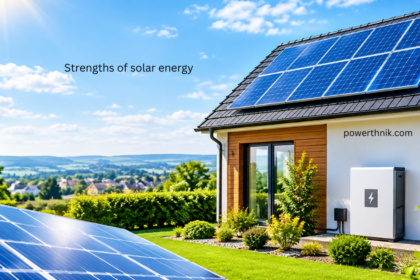
The lifespan of solar panels gives homeowners a long period in which to benefit from their original investment. A system that produces useful electricity for 25 to 30 years can provide long-term savings while helping reduce dependence on conventional grid electricity.
The overall value depends on several factors, including the purchase price, installation cost, electricity production, degradation rate, maintenance, and household energy use. A high-quality system may provide better long-term value because it can maintain stronger output as it ages.
From a practical perspective, I would always look beyond the initial price when comparing solar systems. Checking the expected degradation rate, warranty, panel quality, installation standards, and inverter replacement requirements gives a much clearer picture of what the system may deliver over several decades.
Final Thoughts
The lifespan of solar panels makes solar energy a long-term option for UK homeowners. Most modern panels can produce useful electricity for 25 to 30 years or longer, while good installation and regular care can help maintain their performance.
Rather than replacing panels simply because they reach a certain age, homeowners should look at their actual output, condition, degradation, and running costs. With the right equipment and sensible maintenance, solar panels can remain a valuable source of clean energy for decades.
Frequently Asked Questions
How long do solar panels usually last?
The lifespan of solar panels is usually around 25 to 30 years. Many panels can continue producing electricity after this period, although their output gradually decreases.
Do solar panels stop working after 25 years?
No. Solar panels do not suddenly stop working after 25 years. They normally continue producing electricity, but their efficiency and power output gradually decline.
What causes solar panels to degrade?
Sunlight, UV exposure, temperature changes, moisture, humidity, and normal ageing can contribute to degradation. The quality of the panel and its materials can also affect the rate of decline.
Can regular maintenance extend solar panel life?
Yes. Keeping panels reasonably clean, checking for damage, managing nearby shading, and arranging professional inspections can help maintain good performance and protect the system.
How often should solar panels be replaced?
There is no fixed replacement date. Homeowners should consider replacement when panels become significantly less productive, require frequent repairs, or newer technology offers a stronger financial benefit.
Does the inverter last as long as the panels?
Usually not. An inverter commonly lasts around 10 to 15 years, so homeowners may need to replace it once or more during the working life of the solar panels.