
Choosing the right solar system can feel confusing when you see different panels, batteries, inverters, and installation options. Solar power panel kits offer a simpler way to understand these components and build a suitable renewable energy system.
For UK homeowners, solar power can reduce reliance on grid electricity and improve household energy efficiency. However, British weather, roof direction, available space, and electricity usage all affect system performance.
This guide explains how these kits work, what they contain, how much power you may need, and what to consider before buying one. It also covers installation, batteries, maintenance, and practical UK considerations.
What Are Solar Power Panel Kits
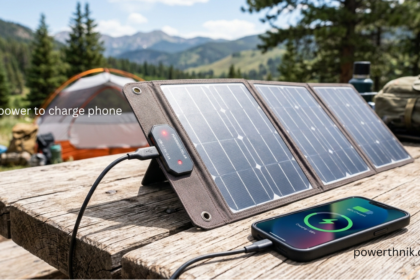
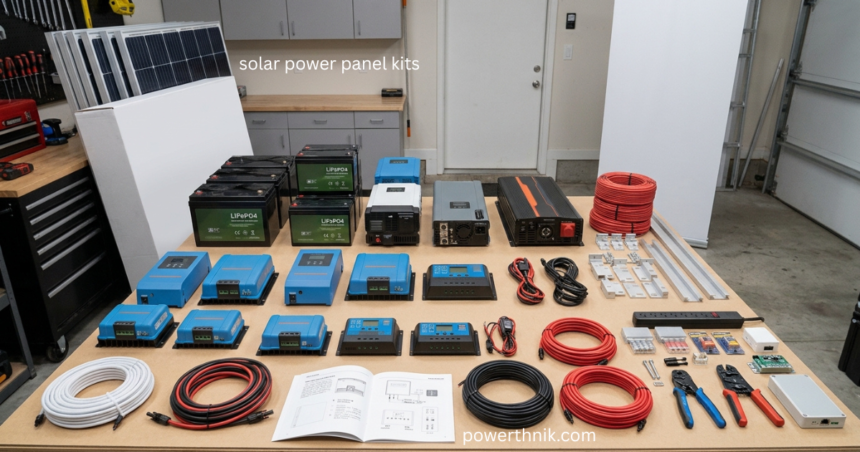
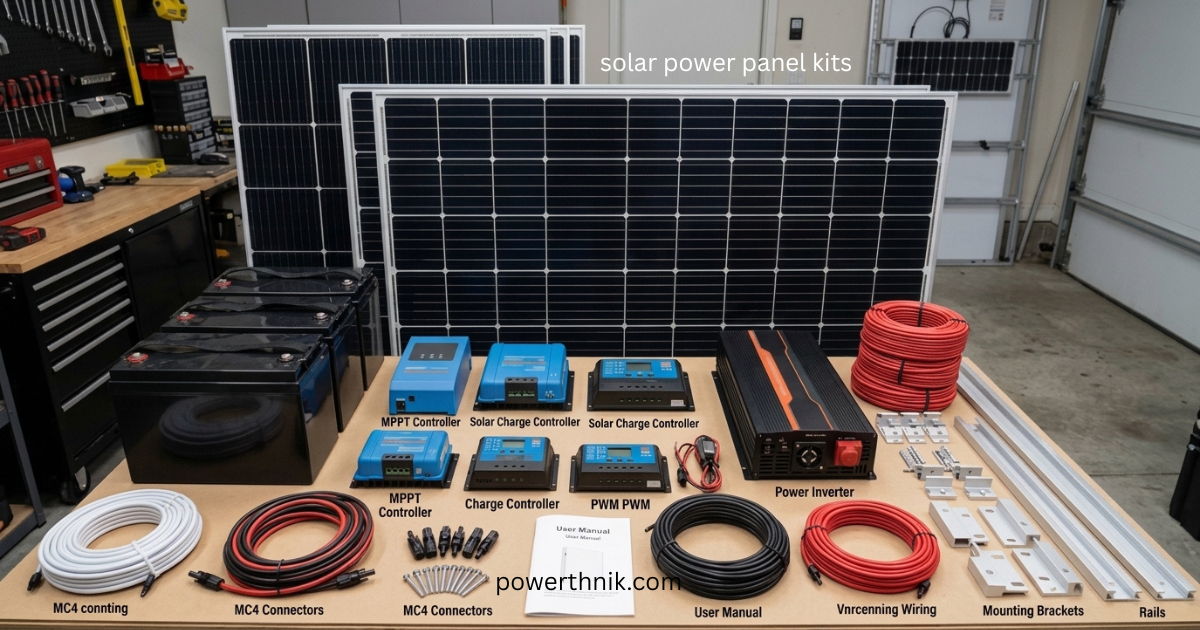
Solar power panel kits combine several components needed to generate electricity from sunlight. A typical package can include solar panels, mounting equipment, cables, an inverter, and sometimes a battery storage system.
Instead of purchasing every component separately, homeowners can select a package designed around a particular system size. This approach can make planning easier, especially for people new to solar energy.
The exact contents vary between manufacturers. Some packages suit small projects, while larger systems can support most household electricity needs.
How Do Solar Power Panel Kits Work
The process starts when sunlight reaches the photovoltaic cells inside the solar panels. These cells produce direct current electricity as sunlight activates the semiconductor material.
An inverter then converts this electricity into alternating current. Your household can use this electricity to operate appliances such as refrigerators, washing machines, televisions, and computers.
When production exceeds your immediate demand, you can send surplus electricity to a battery. A suitable battery can store this energy for later use, particularly during evenings or periods of low sunlight.
What Comes With a Solar Kit?
A complete system normally contains several important parts. Understanding each component can help you compare different packages more confidently.
Solar panels
These generate electricity from sunlight and represent the main energy-producing part of the system.
Inverter
This converts the electricity produced by panels into a form that household appliances can use.
Mounting equipment
Roof brackets and rails secure panels to the chosen installation surface.
Cables and connectors
These connect the panels with the inverter and other electrical equipment.
Battery
Some packages include battery storage for keeping unused electricity available later.
Monitoring equipment
A monitoring system can show electricity generation, household consumption, and battery levels.
Not every package includes all these components. Therefore, check the product specification carefully before making a purchase.
Choosing the Right Solar Kit for a UK Home
The best solar power panel kits depend on your household’s electricity consumption and available roof area. A small home with modest energy use may require fewer panels than a larger property.
Your annual electricity consumption provides a useful starting point. Check your recent energy bills to estimate how much electricity your household normally uses.
Roof orientation also matters. South-facing roofs generally provide strong solar exposure in the UK, while east- and west-facing roofs can still produce useful electricity.
Shade should also receive attention. Trees, chimneys, nearby buildings, and other obstacles can reduce panel output during certain parts of the day.
Solar Panel Size and System Capacity
System capacity usually appears in kilowatts, such as 3kW, 4kW, or 5kW. A larger system can generate more electricity when suitable sunlight reaches the panels.
However, bigger does not always mean better. You need enough roof space and suitable energy demand to make the additional capacity worthwhile.
Panel wattage also affects the number of panels required. Modern panels can produce different amounts of power, so compare their rated output rather than counting panels alone.
For an accurate design, an installer can assess your roof, electricity usage, shading, and preferred equipment before recommending a suitable system.
Battery Storage With Solar Panels
Adding battery storage can make solar power panel kits more useful for households that consume electricity after sunset. The battery stores excess daytime production instead of allowing all surplus electricity to leave the property.
You can then use stored electricity during the evening or when your panels produce less power. This can increase the amount of generated solar electricity that your household uses directly.
Battery capacity matters when comparing systems. A battery that is too small may fill quickly, while an unnecessarily large battery can increase the overall purchase cost.
Homeowners should consider their daily electricity pattern before selecting battery storage. Your installer can help match battery capacity with expected solar generation and household consumption.
Are Solar Kits Suitable for UK Weather
The UK receives less sunshine than many warmer countries, but solar panels still work throughout the year. They do not require constant bright sunshine to produce electricity.
Panels can generate power during cloudy conditions because daylight still reaches their photovoltaic cells. However, output normally falls when sunlight becomes weaker.
Winter generally produces less solar electricity than summer because days are shorter and sunlight levels are lower. Therefore, a system should be assessed using annual generation rather than expecting identical output every month.
Good-quality equipment and correct installation can help your system perform consistently across changing British weather conditions.
Installation and Electrical Safety
Professional installation remains important for most home systems. Although some smaller packages may appear simple, household electrical connections require proper knowledge and careful planning.
An installer can check whether your roof can support the equipment and determine the safest position for the panels. They can also configure the inverter and electrical connections correctly.
Never assume that every package suits every property. Your home’s existing electrical system, roof structure, cable routes, and energy requirements all need consideration.
Before installation, ask the supplier what equipment the package includes and whether installation forms part of the quoted price.
How Much Maintenance Do Solar Kits Need
One advantage of solar power panel kits is their relatively low routine maintenance. Solar panels have no moving parts, which reduces the number of components that require regular servicing.
Dirt, leaves, and bird deposits can sometimes affect panel performance. Keeping the panels reasonably clear allows more sunlight to reach their surface.
You should also monitor system performance through the available monitoring platform. A sudden drop in electricity generation may indicate shading, equipment problems, or another issue.
The inverter and battery may require professional inspection according to the manufacturer’s recommendations. Always follow the maintenance guidance supplied with your equipment.
Solar Kits and Energy Bills
The main financial attraction of solar power panel kits comes from generating electricity at home. Every unit of suitable solar electricity used directly can reduce the amount of electricity you need to purchase from the grid.
Your savings depend on several factors. These include system size, electricity consumption, panel orientation, shading, energy prices, and how much generated electricity you use yourself.
Battery storage can change this calculation because it may allow more solar electricity to remain available after sunset. However, batteries also add to the initial system cost.
For this reason, homeowners should compare expected generation and costs rather than relying on a single headline saving figure.
Understanding UK Solar Export Payments
Some UK homeowners may receive payments for eligible surplus electricity exported to the grid. The Smart Export Guarantee, commonly known as SEG, provides a framework for eligible suppliers to pay participating generators for exported electricity.
Rates and eligibility can vary between suppliers and circumstances. Therefore, check the latest information before choosing a system based on export income.
Export payments should form part of your overall calculation rather than the only reason for installing solar. Using suitable generated electricity within your home can also provide value.
Always check current UK rules and supplier terms because energy policies and available tariffs can change.
How to Compare Solar Kit Prices
Price should not be your only comparison point when choosing solar power panel kits. Two packages with similar panel counts can have significant differences in equipment quality and overall performance.
Check the panel wattage, inverter specification, battery capacity, warranty terms, mounting equipment, monitoring features, and installation arrangements.
Also ask whether the quoted price includes scaffolding, electrical work, certification, and other installation costs. A cheaper package may not represent better value if important services remain outside the quoted price.
A clear quotation should explain exactly what you receive and what additional costs may apply.
Common Mistakes to Avoid
Buying the cheapest available package can create problems if the equipment does not suit your property. Instead, focus on system design, component quality, warranty support, and expected performance.
Another common mistake involves ignoring household electricity habits. A system should match when and how your household normally consumes power.
Do not overlook shading either. Even partial shade can affect generation, depending on the panel arrangement and system design.
Finally, avoid treating online calculators as a replacement for a professional assessment. They can provide estimates, but your actual property may have different conditions.
Final Thoughts
Well-designed solar power panel kits can provide UK homes with a practical source of renewable electricity. The right system can combine panels, an inverter, battery storage, and monitoring equipment around your household’s needs.
Before buying, assess your electricity consumption, roof condition, orientation, shading, available space, and budget. Compare complete specifications instead of focusing only on the number of panels.
A properly planned system can provide useful electricity throughout the year. With sensible expectations and professional installation, solar can become a valuable part of a modern UK home’s energy strategy.
FAQs solar power panel kits
Are solar power panel kits worth it in the UK?
Solar power panel kits can be worthwhile when your property has suitable roof space and good solar exposure. Your savings depend on electricity use, system size, installation costs, and available export payments.
How many panels do I need for a UK home?
The number depends on your annual electricity consumption, panel output, roof space, and expected solar generation. An installer can calculate the appropriate system capacity after assessing your property.
Can solar panels work during cloudy UK weather?
Yes. Solar panels can generate electricity during cloudy weather because they use available daylight. However, generation usually decreases when sunlight becomes weaker.
Do I need a battery with solar panels?
You do not always need a battery. However, solar power panel kits with battery storage can help you use more generated electricity after sunset instead of exporting unused daytime production.
Can solar kits reduce my electricity bills?
Yes, they can reduce grid electricity purchases when your system generates power that your household uses. The actual reduction depends on system performance, household consumption, electricity prices, and battery usage.