
Fresh indoor air can make a noticeable difference to comfort, especially in well-insulated UK homes where natural ventilation may be limited. Modern houses are often well insulated and airtight, so they can hold warmth effectively but may also trap moisture, odors and stale air. It removes polluted indoor air and brings in filtered outdoor air while transferring useful heat between the two air streams.
What Is a Heat Recovery Ventilation System
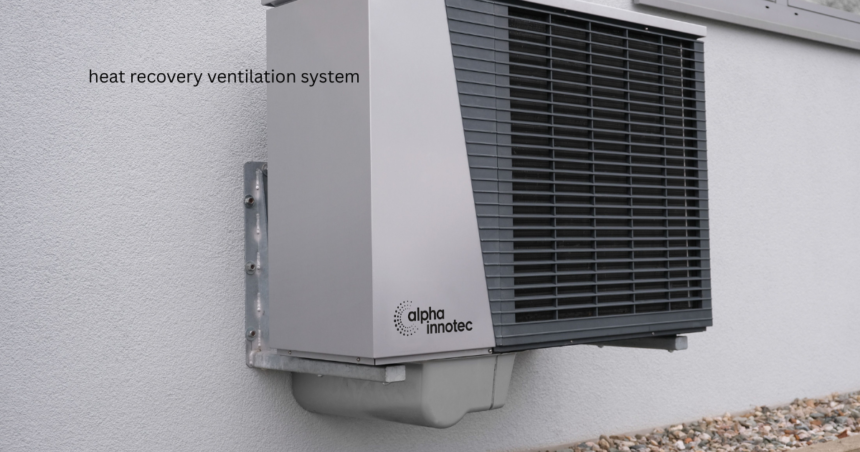
A heat recovery ventilation system is a mechanical ventilation solution that continuously exchanges indoor and outdoor air. It normally uses a central unit with fans, filters and a heat exchanger. The system extracts warm, stale air from rooms such as kitchens and bathrooms and draws fresh air into bedrooms, living rooms and other occupied areas.
The heat exchanger sits between separate air paths and transfers heat from outgoing air to incoming air without mixing the streams. As a result, the home can receive fresh air without losing as much warmth as it would through an open window.
For UK properties, this approach can be especially useful during colder months. Instead of choosing between fresh air and a warm home, homeowners can maintain controlled ventilation throughout the day.
How Does It Work
The basic process is simple. Extract fans remove stale air from moisture-producing rooms, while supply fans bring filtered air into living areas. Both air streams pass through the heat exchanger, where energy moves from the warmer stream to the cooler one.
During winter, warm indoor air usually leaves the building at a higher temperature than the incoming outdoor air.
In summer, some systems can use bypass controls to reduce heat recovery when outdoor conditions make recovery unnecessary. This feature can help improve comfort during warmer UK weather and can work alongside other cooling strategies.
Why Is It Useful in UK Homes
UK homes can experience damp, condensation and mould when ventilation is poor. These problems often become more noticeable in bathrooms, kitchens and bedrooms where people create moisture through cooking, washing and everyday activities.
A properly designed heat recovery ventilation system can remove humid air before it causes problems. This can help newer airtight homes where natural air leakage is limited.
The system can also reduce the need to open windows for long periods. That matters during cold and windy weather because open windows can allow heated air to escape quickly.
Key Benefits of Heat Recovery Ventilation
Filters can reduce dust and pollen entering the home, while controlled extraction removes stale air, cooking smells and excess moisture.
The actual saving depends on the building, system design, occupancy and heating habits.
Another benefit is comfort. Continuous low-level ventilation can prevent rooms from becoming stuffy without creating the strong draughts that some people experience with open windows. When correctly balanced, the system should operate quietly and provide consistent airflow.
Heat Recovery and Energy Savings
Ventilation naturally removes heat from a property because warm air leaves the building. Traditional extraction systems can send that heat directly outside. Heat recovery changes this process by capturing a useful portion of the outgoing energy.
A heat recovery ventilation system can therefore complement good insulation and airtightness. Insulation slows heat movement through walls, roofs and floors, while controlled ventilation manages the heat and moisture that must leave through air exchange.
Is It Suitable for Older UK Houses
Older homes can use mechanical heat recovery, but installation can be more challenging. Many traditional properties have limited space for ducts, less airtight construction and layouts that were never designed around central ventilation.
Before choosing a heat recovery ventilation system, an installer should assess the building fabric, insulation, airtightness and available routes for ductwork. Some homes may need improvement work before a full system becomes practical.
Choosing the Right System
Choosing equipment should start with airflow requirements rather than brand names. The installer should consider floor area, bedrooms, occupants, room usage and ventilation rates.
Choosing the right system depends on the size and layout of the property. A well-matched unit can deliver steady airflow without creating excessive noise or using more energy than necessary. One that is much larger than necessary may cost more and can create unnecessary noise or energy use. Correct sizing helps the fans operate efficiently while maintaining suitable airflow.
Look for equipment with efficient fans, accessible filters, reliable controls and a heat exchanger suited to the property. Noise levels also matter because the unit may operate continuously.
Installation of a Heat Recovery Ventilation System
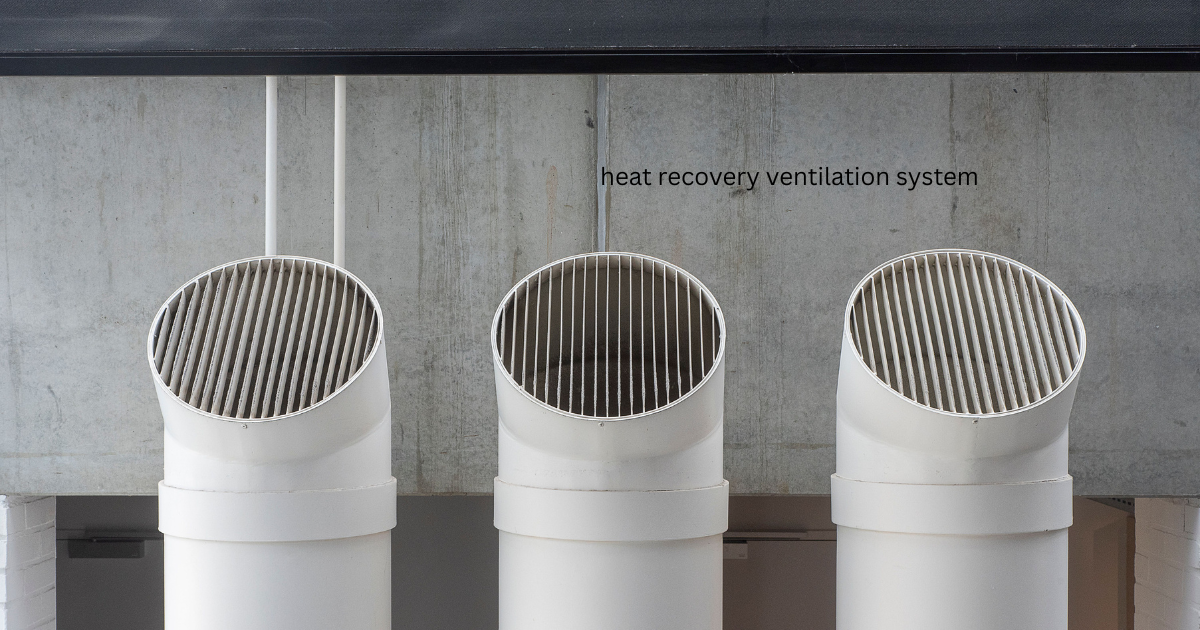
A heat recovery ventilation system needs a suitable main-unit location with access for maintenance and enough room for connections. Installers must plan supply and extract routes carefully to avoid unnecessary bends and pressure losses.
Ducts should have suitable insulation where required, particularly when they pass through colder areas such as loft spaces. Poorly insulated ductwork can reduce performance and create condensation risks.
A good installer should balance the airflow after installation. Each room needs the correct amount of supply or extraction air, and the final settings should match the design calculations.
Filters and Maintenance
Regular maintenance keeps the system working properly. Filters collect dust and airborne particles, so homeowners should check them according to the manufacturer’s instructions. Dirty filters can restrict airflow and make fans work harder.
A heat recovery ventilation system also needs periodic inspection of fans, ducts, drains and the heat exchanger. Some components need professional servicing, while homeowners can handle simple filter checks and cleaning.
The outdoor intake should remain clear of leaves, dirt and other debris. If the condensate drain becomes blocked, water can build up inside the unit. Following the maintenance schedule protects performance and equipment life.
Heat Recovery Ventilation vs Traditional Extraction
Traditional extractor fans can remove moisture effectively from specific rooms, but they usually discharge indoor heat outside. A central recovery system takes a different approach by controlling both incoming and outgoing air.
A heat recovery ventilation system can provide continuous ventilation throughout the property rather than relying only on individual fans. It can also filter incoming air and recover part of the heat that would otherwise leave the building.
Running Costs of a Heat Recovery Ventilation System
Running costs depend mainly on fan electricity use, operating hours and system efficiency. Efficient fans can keep electricity consumption relatively low while maintaining continuous ventilation.
A heat recovery ventilation system can recover outgoing heat and reduce heating demand. However, homeowners should compare the expected energy performance with installation costs, servicing and future filter replacement.
A heat recovery ventilation system tends to make more sense when the building already has good insulation and airtightness. In a leaky property with poor insulation, reducing those losses may deliver better value before investing heavily in advanced ventilation.
Can It Work With Heat Pumps
Yes. A heat pump and mechanical ventilation can work together because they perform different jobs. The heat pump provides space heating or hot water, while the ventilation system manages air quality and heat recovery from outgoing air.
A heat recovery ventilation system can help reduce the ventilation-related heating load, allowing the heating system to deal with less cold incoming air. Good coordination between ventilation, heating controls and building insulation can improve overall performance.
Homeowners should ask their installer to consider both systems together rather than treating them as completely separate upgrades.
Is It Worth Installing One
For many well-insulated and airtight UK homes, the answer can be yes. The strongest case usually appears where homeowners want reliable fresh air, better moisture control and lower ventilation heat losses.
A heat recovery ventilation system is not a magic solution, and installation quality matters greatly. The property must have suitable space for equipment and ductwork, and the system needs correct design, balancing and maintenance.
Before making a decision, compare installation quotes, expected airflow, noise levels, filter costs, warranty terms and servicing requirements. A professional assessment can show whether the system suits your property.
Final Thoughts
A heat recovery ventilation system can bring together fresh air, moisture control, comfort and energy efficiency in one carefully designed solution. It works best when homeowners combine it with good insulation, suitable airtightness and efficient heating.
For UK properties, the technology can be particularly useful during colder weather when opening windows for long periods feels uncomfortable. With correct sizing, professional installation and regular maintenance, it can provide steady ventilation while recovering useful heat.
The most important step with a heat recovery ventilation system is to assess the whole building before buying equipment. When the design matches the property’s needs, mechanical heat recovery can become a valuable part of a healthier and more energy-efficient home.
Frequently Asked Questions
What is a heat recovery ventilation system?
A heat recovery ventilation system exchanges stale indoor air with fresh outdoor air while recovering useful heat. It helps improve indoor air quality and can reduce ventilation-related heat loss.
Is a heat recovery ventilation system worth it in the UK?
It can be worthwhile for well-insulated and reasonably airtight UK homes. It provides continuous ventilation, removes moisture and can recover heat that would otherwise escape.
Does a heat recovery ventilation system save money?
It can reduce heating demand by recovering heat from outgoing air. However, actual savings depend on the property’s insulation, airtightness, system efficiency and how the homeowner operates the heating.
Does it help with condensation and mould?
Yes. The system continuously removes moisture-laden air from areas such as bathrooms and kitchens. Better moisture control can help reduce condensation and the conditions that encourage mould growth.
How often should the filters be replaced?
Filter replacement depends on the equipment and indoor air conditions. Homeowners should check filters regularly and follow the manufacturer’s recommended replacement schedule to maintain good airflow.
Can heat recovery ventilation work with a heat pump?
Yes. A ventilation system and heat pump can work together. The heat pump provides heating, while the ventilation system manages indoor air and recovers heat from outgoing ventilation air.