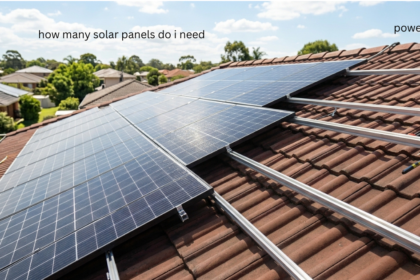

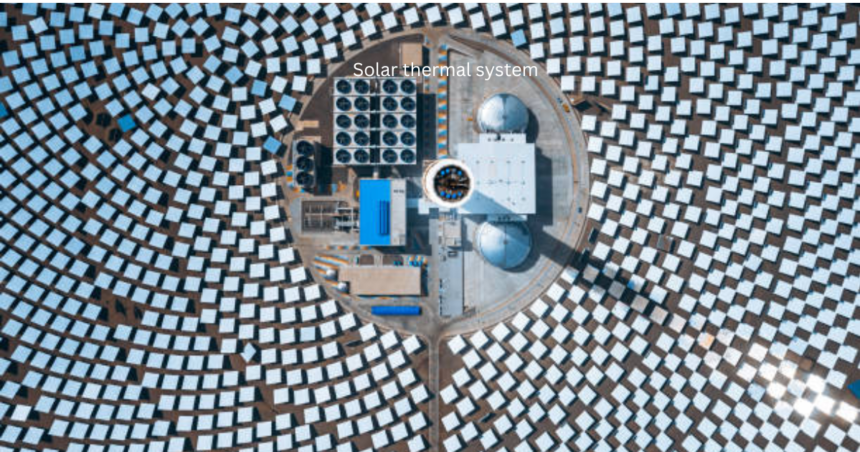
A Solar thermal system captures energy from sunlight and uses it to heat water for homes and businesses. Unlike solar PV panels, which generate electricity, solar thermal technology produces useful heat directly. In the UK, it can help reduce the energy needed from a boiler, immersion heater or heat pump for hot water.
The technology works throughout the year, although its performance changes with the amount of sunlight available. Summer usually provides the strongest output, while winter requires more support from the property’s existing heating system.
How Does a Solar Thermal System Work
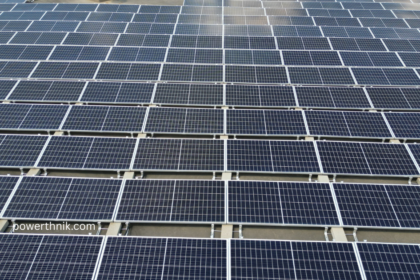
A Solar thermal system uses solar collectors to absorb heat from the sun. These collectors usually sit on a suitable roof and contain an absorber that transfers heat to a special fluid.
A circulation pump moves the heated fluid through insulated pipes towards a heat exchanger inside a hot water cylinder. The heat exchanger transfers the captured energy into the household water.
After releasing its heat, the fluid returns to the collectors and starts the process again. A controller monitors temperatures and operates the pump when the collectors have enough useful heat.
Main Components
The collectors form the main part of a Solar thermal system. Homeowners generally choose between flat-plate collectors and evacuated-tube collectors. Both designs can collect solar heat, but their construction and performance characteristics differ.
Other important components include insulated pipework, a circulation pump, temperature sensors, a controller and a suitable hot water cylinder. The cylinder normally needs a dedicated coil that allows solar heat to enter the stored water.
A closed-loop installation may also contain antifreeze, an expansion vessel, pressure equipment and safety valves. These parts help the system handle temperature and pressure changes safely.
How Does It Perform in the UK?
A Solar thermal system can work in the UK because solar collectors do not need hot weather to collect energy. They need available daylight and solar radiation, although stronger sunlight normally produces more useful heat.
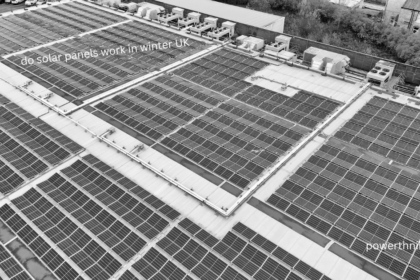
Summer generally gives the best conditions because the UK has longer daylight hours and stronger solar radiation. During winter, shorter days and weaker sunlight reduce the available solar heat.
Roof direction and shading also affect performance. A well-positioned roof can receive more sunlight, while nearby buildings, trees and chimneys can reduce the energy reaching the collectors.
Can It Work With a Boiler
A Solar thermal system can work alongside many existing heating arrangements when the property has a compatible hot water cylinder. The solar circuit provides renewable heat, while the boiler supplies additional heat when necessary.
This setup works particularly well when the household needs hot water throughout the year. Solar energy can make a useful contribution during brighter periods, while the boiler remains available during cloudy or colder conditions.
Homeowners should ask a qualified installer to check their current cylinder and heating system before installation. A combo boiler setup may require different arrangements because it does not normally store domestic hot water in the same way as a cylinder-based system.
Solar Thermal With a Heat Pump
A Solar thermal system can also complement a heat pump. Both technologies can reduce reliance on conventional fossil-fuel heating, but they perform different jobs.
Solar thermal equipment focuses mainly on producing heat for hot water. A heat pump can provide space heating and hot water, depending on the property and system design.
When solar heat cannot meet the full hot water requirement, the heat pump can provide the remaining energy. This combination can give a property more than one source of renewable or low-carbon energy.
Where Can Solar Thermal Be Used
A Solar thermal system can serve different types of properties. Homes commonly use solar thermal collectors to heat water for showers, baths, kitchens and other daily activities.
Commercial buildings can also use solar heat where they have regular hot water demand. Hotels, leisure facilities and other properties with high hot water consumption may consider larger systems.
Swimming pools provide another possible application. Solar collectors can transfer heat to pool water, although the system design must match the pool size, required temperature and expected usage.
How Much Hot Water Can It Provide
The output of a Solar thermal system depends on several factors. Collector size, roof orientation, shading, weather, cylinder capacity and household water consumption all affect the amount of useful heat produced.
A smaller home with fewer occupants may require less collector area than a larger property. Installers normally assess daily hot water demand before selecting the equipment.
Oversizing the system does not automatically produce better results. Good design aims to match the collector area and storage capacity with the property’s actual requirements.
Controller and Pump Operation
The controller plays an important role in a Solar thermal system. Temperature sensors measure conditions at the collectors and inside the hot water cylinder.
When the collectors become sufficiently warmer than the stored water, the controller can start the circulation pump. The pump then moves heated fluid through the solar loop.
When the temperature difference becomes too small, the controller can stop the pump. This prevents unnecessary circulation and helps the system operate efficiently.
Safety and Maintenance
A Solar thermal system needs suitable safety equipment because temperatures and pressure inside the solar circuit can become high. Components such as an expansion vessel, pressure gauge and pressure relief valve help manage these conditions.
The system may use antifreeze within a closed solar loop to protect the fluid during freezing weather. The condition of this fluid should form part of regular maintenance.
A qualified technician can inspect the collectors, pipework, pump, controller, pressure and fluid. Regular servicing can help identify leaks, worn components or performance problems before they become more serious.
What Happens at Night
A Solar thermal system cannot collect solar heat after darkness, but it can still provide hot water using heat stored in the cylinder during the day.
For example, a household can use stored hot water for an evening shower. If the water temperature becomes too low, the backup boiler, heat pump or immersion heater can raise it again.
The controller also helps prevent unwanted circulation when the collectors become colder than the cylinder at night.
What Happens When You Go Away
If a Solar thermal system remains installed while the property is empty, it continues to follow its normal control settings. A long period without hot water use can create different operating conditions, particularly during sunny weather.
For short trips, homeowners generally follow the manufacturer’s recommended settings. For longer periods away, they should ask the installer whether the system needs a special holiday setting or other adjustment.
Avoid changing valves, draining fluid or switching off safety equipment without professional guidance.
Backup Heating
An immersion heater can support a Solar thermal system when the collectors cannot provide enough heat. The cylinder thermostat can activate the immersion heater when the stored water needs additional heating.
A boiler or heat pump can perform a similar backup role where the property has a suitable connection. This means homeowners can continue to receive hot water even when solar production remains low.
Backup heating becomes especially useful during long periods of cloudy weather and in winter when solar output normally falls.
Benefits for UK Homes
A Solar thermal system can reduce the amount of conventional energy required to heat domestic hot water. This may help households reduce their dependence on gas or electricity for water heating.
The technology also uses renewable solar energy directly rather than first converting sunlight into electricity. This makes it different from solar PV and gives homeowners another way to use renewable energy at home.
The system can also work with existing heating equipment instead of requiring a complete replacement. With suitable design and maintenance, it can provide useful hot water for many years.
How Long Does It Last
A Solar thermal system can operate for many years when installers fit it correctly and homeowners maintain it properly. The collectors generally have a long service life, while pumps, sensors, valves and other mechanical parts may require replacement earlier.
Regular inspections can help maintain performance and identify worn components. Keeping the collectors clean and checking the system according to the manufacturer’s guidance can also support reliable operation.
The exact lifespan depends on equipment quality, installation standards, environmental conditions and maintenance.
Is Solar Thermal Suitable for Your Home
A Solar thermal system can suit a UK property when it has suitable roof space, good solar exposure and regular hot water demand. The existing heating system and hot water cylinder also play an important role.
Homeowners should compare their actual energy needs rather than choosing equipment based only on collector size. A professional assessment can determine whether the roof, cylinder and heating arrangement can support the installation.
For properties mainly looking to generate electricity, solar PV may serve a different purpose. Solar thermal remains specifically focused on capturing solar heat for applications such as hot water.
Conclusion
A Solar thermal system offers UK homeowners a practical way to use sunlight for water heating. Although output changes between summer and winter, a correctly designed installation can provide useful renewable heat and work alongside a boiler, heat pump or immersion heater.
Good positioning, correct sizing, suitable storage and regular maintenance all contribute to reliable performance. For anyone considering solar water heating, assessing the property’s hot water demand and existing heating setup should come before choosing equipment.
FAQs
Does a Solar thermal system work in winter?
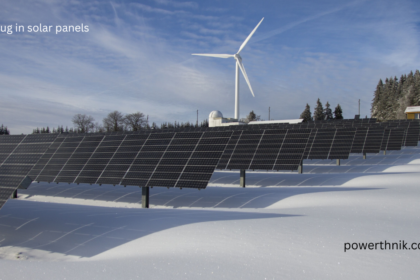
Yes, a Solar thermal system can still collect heat from available daylight during winter. However, lower solar radiation and shorter days usually mean that backup heating provides a larger share of the hot water.
Can a Solar thermal system work on cloudy days?
Yes, a Solar thermal system can collect some energy from diffuse daylight. However, cloudy conditions generally reduce its heat output compared with bright, sunny weather.
How long does a Solar thermal system last?
A Solar thermal system can provide many years of service with correct installation and maintenance. Collectors normally last longer than components such as pumps, sensors and valves.
Can a Solar thermal system work with an existing boiler?
Yes, a Solar thermal system can often work with a boiler when the property has a compatible hot water cylinder and suitable connections. The boiler can provide backup heat whenever solar energy cannot meet the required temperature.