
Transportable solar panels offer a practical way to produce electricity away from a power supply. Unlike fixed rooftop systems, they can travel with you and work in different outdoor settings. Their compact design suits camping, caravans, motorhomes, gardens, remote work areas, and emergency backup.
The main attraction is simple flexibility. You can place a panel where sunlight is available, connect it to a suitable battery or power station, and use stored energy later. This setup makes these panels useful for keeping phones, laptops, lights, small appliances, and other essential devices running.
What Are Transportable Solar Panels
Transportable solar panels are movable photovoltaic units designed for temporary use. They convert sunlight into direct-current electricity and can connect to a compatible power station, battery, or selected device. Many models use folding sections, handles, stands, or protective cases for easier movement.
Unlike permanent rooftop panels, these systems do not require fixed roof installation. You can fold a suitable model, place it in a vehicle, and set it up again at your destination. Smaller designs suit personal travel, while larger units work well for motorhomes and longer outdoor stays.
For transportable solar panels, the right size depends on your needs. Smaller panels handle basic charging, while higher-output models can replenish larger batteries. Before buying, check voltage, current, connector type, and the maximum input limits of your equipment.
How Do Transportable Solar Panels Work
Transportable solar panels use solar cells that absorb sunlight and create electrical energy. A cable then carries that electricity toward connected equipment. When you connect the panel to a portable power station, the station stores the energy inside its battery for later use.
With these panels, the charging process changes throughout the day. Strong direct sunlight can produce more useful energy, while heavy cloud and shade can reduce output. Therefore, placing the panel in an open area can improve energy collection.
A built-in stand can help you angle the panel toward the sun. You may also need to reposition it as the sun moves. This simple habit can improve the amount of energy collected during a trip.
Best Uses for Transportable Solar Panels
Camping is one of the easiest ways to benefit from transportable solar panels. A suitable setup can recharge phones, cameras, lights, and small power banks. You can also use a power station to store daytime energy for evening activities.
They can also help during caravan and motorhome trips. Travelers can charge batteries without depending completely on campsite electricity. This can make remote stays more convenient, especially when you need power for communication, lighting, refrigeration, or entertainment.
Choosing the Right Panel Size
When sizing transportable solar panels, start by listing the devices you expect to use. Write down their wattage and estimate how long you will run them. Then consider how much battery storage you need between charging periods.
A small panel may suit phones and small electronics, while a larger panel can recharge a substantial portable battery more quickly. However, bigger does not always mean better. Heavy panels can become inconvenient when you carry them frequently.
Compatibility matters just as much as wattage. Check the power station’s solar input range before connecting a panel. The connector should match the approved cable arrangement, and electrical ratings should stay within equipment limits.
Performance in Different Weather
With transportable solar panels, sunlight strongly affects solar charging. Clear conditions usually provide better generation, while clouds reduce available energy. Shade can also create problems, especially when part of a panel becomes blocked.
UK users should prepare for changing weather rather than expecting maximum rated output throughout the day. United States users face different climates, from cloudy coastal areas to bright desert regions. In both markets, realistic planning helps avoid disappointment.
Panel placement also matters. Keep the surface clear of dirt and avoid shade from trees, vehicles, buildings, or camping equipment. A stable position can protect the panel and maintain better exposure throughout charging.
Transportable Solar Panels for UK and US Users
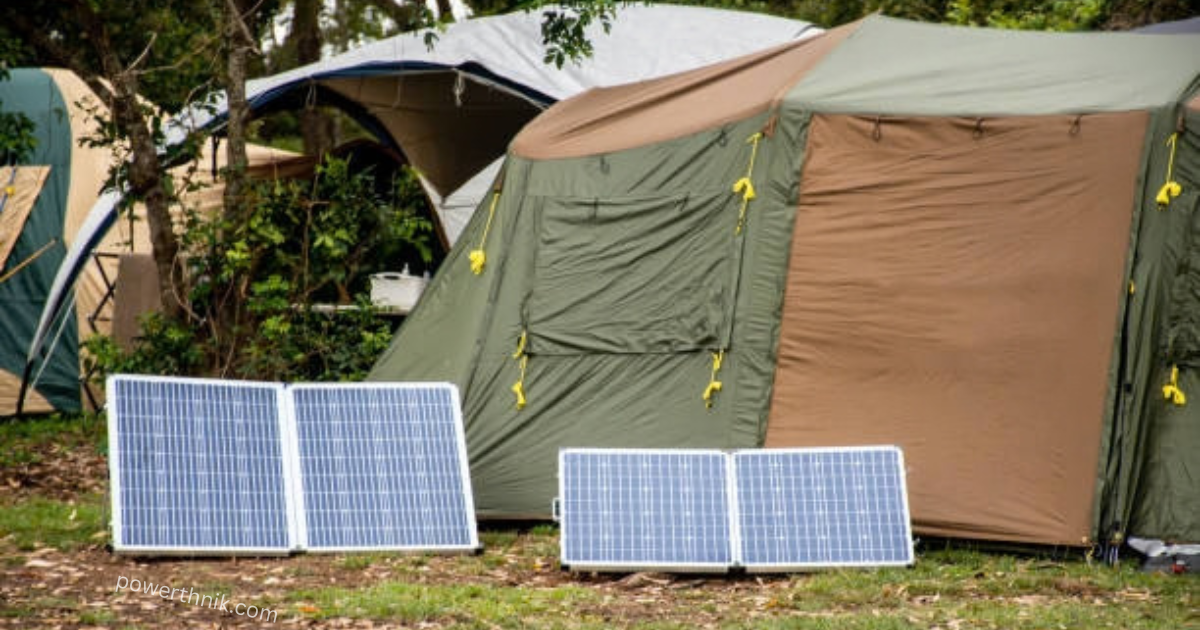
Transportable solar panels can suit both UK and United States lifestyles, but local conditions differ. UK campers often deal with variable cloud, rain, and shorter winter daylight. US users may experience stronger sunlight, although regional weather still changes performance.
In either country, the basic buying process remains similar. Match the panel with your battery or power station, check electrical limits, consider weight, and choose a weather-resistant design when outdoor use is frequent.
How to Maintain Transportable Solar Panels
Keep the panel surface clean so dirt does not block useful sunlight. Inspect cables, connectors, hinges, and stands before each trip. If you notice damaged wiring or unusual heat, stop using the equipment until it receives proper attention.
Protect the battery or power station from excessive heat, moisture, and unsuitable storage conditions. Follow the manufacturer’s instructions for charging, storage, and transport. Good care can make the equipment easier to rely on over repeated trips.
Are Transportable Solar Panels Worth It
Transportable solar panels can make these systems valuable when portability matters more than permanent generation.
They are less suitable when your main goal involves powering an entire home. A permanent residential solar system uses a different design and serves a much larger energy requirement.
The best choice depends on your actual load, travel style, storage space, and budget. If you need movable energy for selected devices, portability can offer genuine convenience.
FAQs
What can transportable solar panels power?
They can charge phones, laptops, lights, cameras, power banks, and compatible batteries. Larger systems can support more demanding equipment when the panel and power station have suitable ratings.
Can transportable solar panels work on cloudy days?
Yes, solar cells can still produce electricity under cloudy conditions. However, output usually falls when direct sunlight becomes weaker. Planning extra charging time can help.
How long do transportable solar panels last?
Service life depends on construction, handling, weather exposure, and maintenance. Follow the manufacturer’s care instructions and protect cables, hinges, connectors, and panel surfaces.
Are these panels good for camping?
Yes, they can suit camping because users can move them toward available sunlight. A compatible power station can store daytime energy for use after sunset.
Can these panels charge a power station?
Yes, if the panel’s electrical specifications match the power station’s solar input. Always check voltage, current, connector type, and maximum supported wattage first.
Do these panels work in the United States?
Yes, they can work across the United States when users match equipment correctly and position the panel for available sunlight. Local weather and seasonal conditions affect charging results.