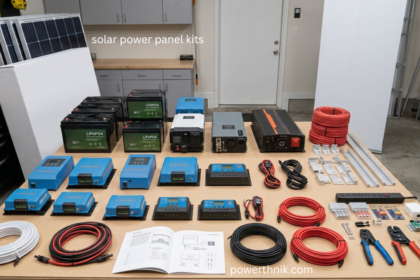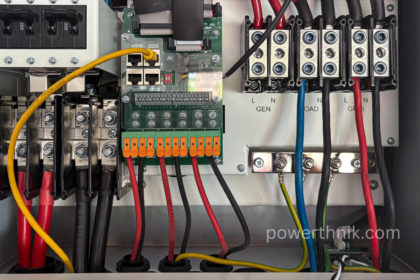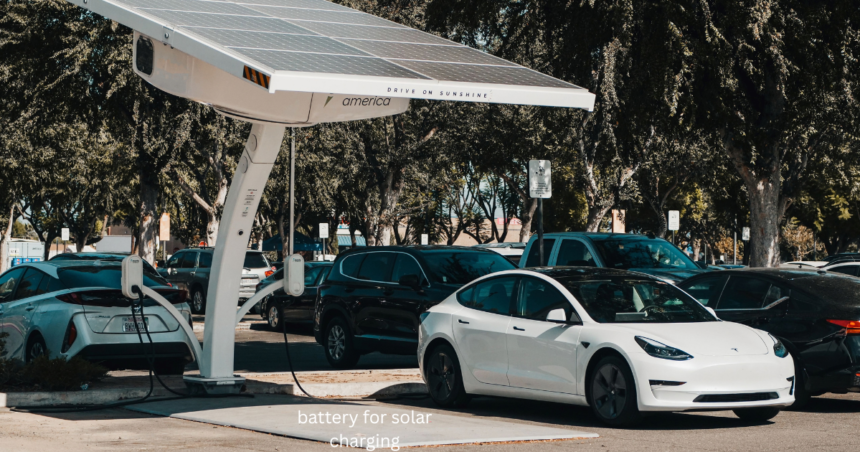
Solar power has become a practical way to reduce dependence on grid electricity in homes, businesses, workshops, cabins, and outdoor systems. However, solar panels alone do not provide reliable power after sunset or during periods of weak sunlight. Choosing the right solar battery makes it possible to save excess electricity and use it when required
For households in the UK, changing weather and shorter winter daylight hours make energy storage particularly useful. In the United States, batteries can also support homes with high evening demand, backup-power requirements, or time-of-use electricity rates. Choosing the correct storage technology, capacity, and charging setup is therefore essential for getting consistent value from a solar installation.
Understanding a Battery for Solar Charging
A battery for solar charging stores electrical energy produced by photovoltaic panels and releases it later. During sunny periods, the solar array can supply household loads while sending excess electricity to the storage system.
Modern residential systems commonly use lithium-ion battery technology because it offers a strong combination of usable capacity, efficiency, compact size, and cycle life. Lithium iron phosphate, often called LiFePO4, is another lithium-based chemistry increasingly used in stationary storage because of its durability and thermal characteristics.
Battery performance depends on more than its advertised capacity. We should consider usable capacity, round-trip efficiency, maximum charge and discharge rates, operating temperature, expected cycle life, warranty conditions, and compatibility with the inverter.
How Solar Batteries Work
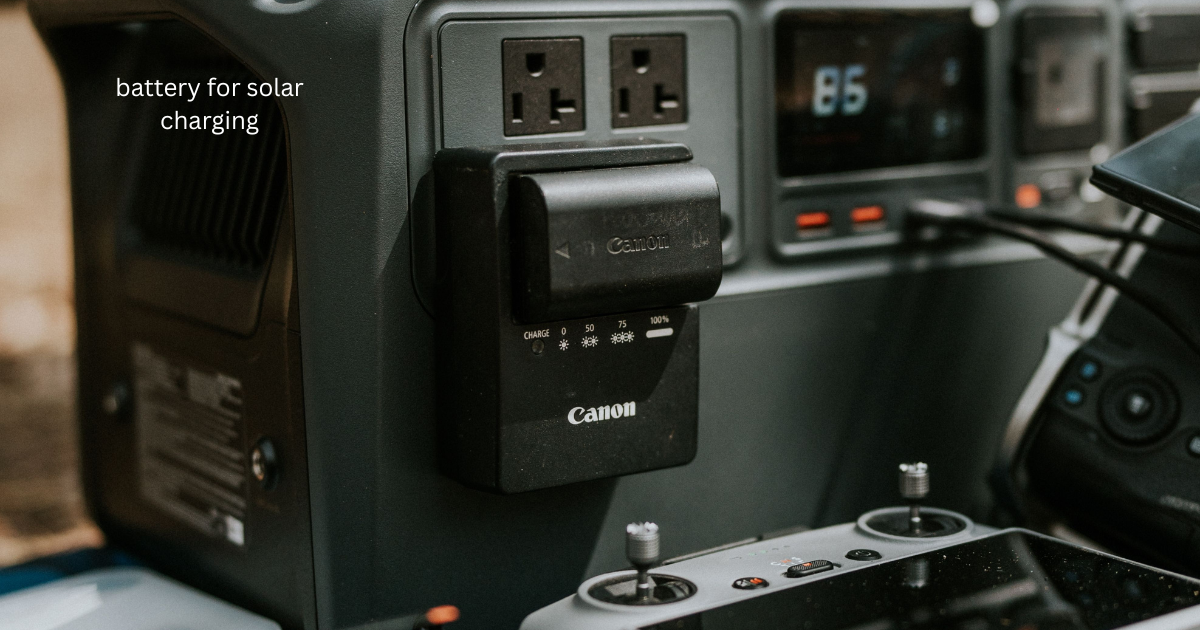
A typical installation connects solar panels to an inverter and energy-management system. Electricity generated by the panels first serves active loads. When solar generation becomes insufficient, the system can discharge stored electricity to supply selected appliances or the wider property.
The process is automatic in many modern installations. Monitoring software can show solar production, battery state of charge, household consumption, and grid imports or exports. This information helps us understand when energy is being generated, stored, and consumed.
Choosing the Right Battery for Solar Charging
Selecting the right battery for solar charging starts with estimating actual electricity consumption. A small property with modest evening demand will require less storage than a large home with electric heating, an EV, or other high-load equipment.
We should examine daily electricity use rather than selecting capacity simply because a particular model has a larger number. For example, a household that regularly uses several kilowatt-hours after sunset may benefit from a larger storage system than a property where most electricity is consumed during daylight.
Battery Capacity and Usable Energy
The headline capacity does not always represent the amount of energy that can routinely be used. Manufacturers may specify a usable capacity that accounts for operating limits designed to protect the battery.
A battery for solar charging should therefore be assessed according to its usable energy rather than advertised capacity alone. It is also worth planning for future growth, so the setup can be scaled up if your home’s power usage rises over time.
Charge and Discharge Power
Capacity tells us how much energy a battery can store, while power ratings indicate how quickly it can charge or discharge. These are different specifications.
A system with adequate capacity but a low discharge rating may struggle to support several high-powered appliances simultaneously. For homes requiring backup operation, we should check which circuits can be powered and how much continuous and peak power the battery system can provide.
Battery Chemistry and Expected Lifespan
Lithium-ion batteries are widely used in modern solar storage systems. Their relatively high energy density makes them suitable where installation space is limited. LiFePO4 batteries are also popular for stationary applications because they can provide many cycles when properly managed.
Lead-acid batteries remain available and can work in certain applications, but they generally require more attention to installation conditions and usable capacity. Their characteristics can make them less convenient for some modern residential systems.
A battery for solar charging should be selected according to the application, installation environment, budget, and expected usage pattern rather than chemistry alone.
Temperature and Installation Conditions
Temperature can affect battery performance, charging behavior, and longevity. Extremely cold or hot conditions may require additional protection or temperature management.
UK installations may face cold garages, sheds, or utility spaces during winter, while some areas of the United States can experience very high summer temperatures. We should follow the manufacturer’s specified operating range and installation requirements.
The location should also provide appropriate ventilation, protection from moisture, and sufficient access for inspection and maintenance.
Matching Solar Panels With Battery Storage
The solar array and storage system need to work together. Installing a very large battery with a small solar array may mean there is insufficient solar energy to recharge it regularly. Conversely, a large solar array paired with very limited storage may result in substantial excess generation during sunny periods.
When sizing a battery for solar charging, we should examine seasonal solar production as well as annual generation. A system that performs well during summer may have different charging behavior during cloudy winter weeks.
An installer can assess panel output, roof orientation, shading, household demand, inverter specifications, and expected battery usage to determine an appropriate configuration.
UK and US Considerations
Solar storage requirements vary by location. In the UK, homeowners may be particularly interested in storing daytime generation for evening use, especially when household electricity demand is concentrated outside daylight hours.
Across the United States, battery systems are used for several purposes, including energy shifting, backup power, and reducing reliance on grid electricity during expensive periods where applicable. Electricity tariffs, utility rules, climate, and backup requirements differ significantly between states and service areas.
For both markets, local regulations and installation standards should be checked before purchasing equipment.
Backup Power and Essential Loads
Not every solar battery installation automatically provides whole-home backup. Some systems can supply selected circuits, while others are designed for broader backup operation when paired with suitable equipment.
We should identify essential loads before installation. Refrigerators, lighting, internet equipment, medical equipment where applicable, heating controls, and selected sockets may have different priorities from high-power appliances.
The backup strategy should also account for battery capacity and expected outage duration.
Improving Solar Battery Performance
Good energy management can increase the usefulness of stored electricity. We can schedule certain appliances to operate when solar production is high, reducing the amount of excess energy that needs to be stored.
Regular monitoring can also reveal unusual consumption patterns. If the battery frequently reaches full charge early in the day and remains unused, there may be opportunities to adjust household energy use or system settings.
Likewise, repeatedly reaching a very low state of charge may indicate that additional storage capacity could be useful, although this should be assessed using actual consumption data.
A quality battery for solar charging should also be installed and configured according to the manufacturer’s instructions. Incorrect settings, unsuitable components, or poor installation practices can reduce performance and potentially create safety problems.
Maintenance, Warranty, and Safety
Modern home batteries generally require less routine maintenance than older storage technologies, but that does not mean they should be ignored. Monitoring system alerts, checking installation conditions, and arranging professional inspections when required can help identify problems early.
Warranty terms deserve careful attention. We should compare the guaranteed period, expected cycle count, retained-capacity conditions, throughput limits, and exclusions. A longer warranty is not automatically more suitable if other specifications do not match the intended application.
Safety is equally important. Battery systems contain significant stored energy and should be installed by appropriately qualified professionals according to applicable local requirements.
Final Thoughts
Choosing solar storage requires more than comparing battery capacity and purchase prices. We should evaluate usable energy, power output, chemistry, efficiency, warranty, installation conditions, inverter compatibility, and actual household demand.
A correctly sized battery for solar charging can help make better use of solar electricity by moving surplus daytime generation into periods when solar production is low. Whether the system is installed in a UK home or a US property, careful planning and professional installation can help ensure that the storage system matches the property’s energy requirements.
Frequently Asked Questions
What size battery should we choose for a solar system?
The appropriate size depends on electricity consumption, solar generation, evening demand, backup requirements, and budget. We should use real household consumption data rather than selecting capacity solely from panel size.
Can a battery store solar energy overnight?
Yes. A battery for solar charging can store surplus electricity generated during daylight and make that energy available after sunset, provided sufficient usable capacity remains.
Does cloudy weather affect battery charging?
Cloudy conditions can reduce solar generation and therefore limit how quickly the battery can charge. However, solar panels can still produce electricity under diffuse daylight.
How long can a solar battery last?
Service life varies according to chemistry, usage, temperature, charging practices, and manufacturer specifications. Warranty documentation provides an important indication of expected operating conditions.
Can we add more battery capacity later?
Some systems support modular expansion, while others have specific compatibility limits. We should confirm expansion options before purchasing if future energy demand may increase.
Is a solar battery worth installing without backup power?
It can still be useful for storing daytime generation and using it later. A battery for solar charging does not necessarily need to provide backup power to deliver value, although backup capability may be important for some households.