A motion sensor outdoor light can make a dark entrance, driveway, garden path, or side gate easier to use after sunset. Instead of running a lamp all night, it responds when it detects movement. Modern designs include wired, battery, solar, wall-mounted, and floodlight options, so we can match the fixture to the area. For many homes, a motion sensor outdoor light offers a simple way to improve visibility without constant illumination.
Why Use a Motion Sensor Outdoor Light?
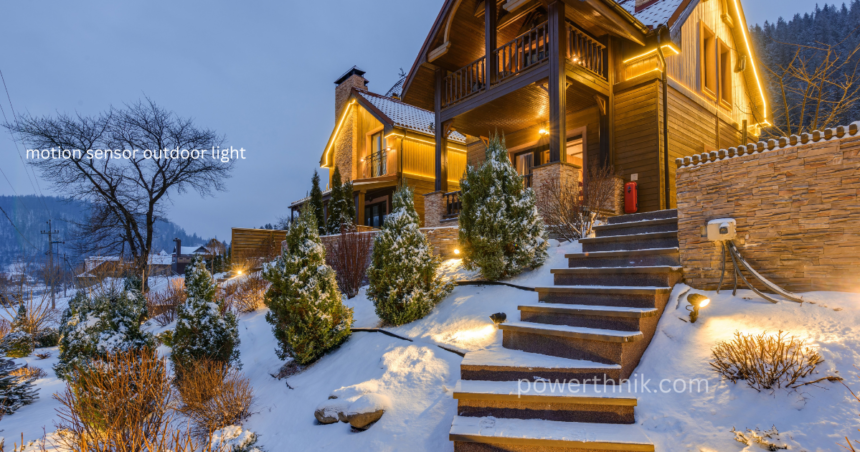
A motion sensor outdoor light provides illumination around doors, garages, paths, driveways, patios, and garden entrances. A sudden light can make a property more visible from outside. It should not replace locks, alarms, or cameras, but it can support a wider home security plan.
The main benefit of a motion sensor outdoor light comes from controlled operation. PIR is one common technology, while microwave sensing offers another approach with different detection characteristics.
Motion Sensor Outdoor Light Types
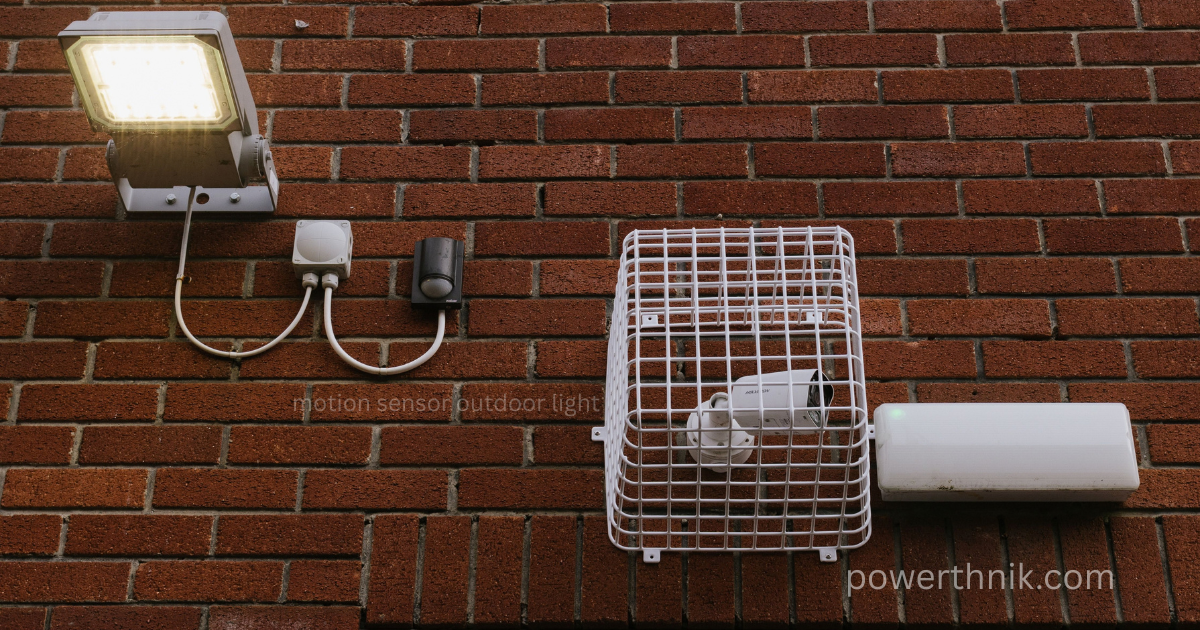
A motion sensor outdoor light with a wired floodlight suits areas that need strong illumination. It works well around driveways, garages, rear entrances, and larger spaces where a mains connection is practical. Current US products commonly combine LED lighting with motion sensing, dual heads, dusk-to-dawn control, different lumen outputs, and wide detection angles.
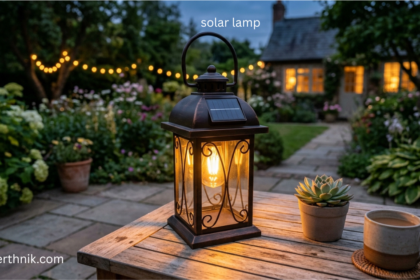
A solar motion sensor outdoor light offers another installation route. A solar panel charges a battery during daylight, and stored energy powers the lamp after dark. Performance depends on sunlight, panel placement, battery condition, and seasonal daylight. UK winter conditions can affect some solar products more than summer conditions.
How to Choose the Right Motion Sensor Outdoor Light
Start with the area you want to cover. A front door may need a focused wall light, while a driveway may need a wider floodlight. Measure the distance between the fitting and the point where movement normally occurs. Then compare the sensor’s range and angle rather than choosing only by brightness.
Weather protection also matters. Outdoor fixtures face rain, dust, temperature changes, and impact. Check the product’s IP rating and installation instructions. UK guidance matches protection levels to sheltered or exposed positions, while US products commonly advertise water-resistant and weather-resistant construction.
PIR vs Microwave Sensors
PIR means passive infrared. A PIR sensor detects changes in infrared radiation associated with moving objects. Its range, sensitivity, timer, and activation behavior vary by product. Animals, vehicles, heat sources, and poor positioning can affect activation.
Microwave sensors use another detection method and can provide broad coverage. They can detect subtle movement, but their sensitivity can also create unwanted triggers. For a home entrance, compare the actual detection area and adjustment controls instead of assuming one technology suits every property.
Where Should You Install It?
For a Motion Sensor Outdoor Light, mounting position can matter more than choosing a higher-powered lamp. Place the sensor where people cross its detection area rather than pointing it toward a busy road. A driveway, side passage, back door, shed entrance, or garage approach may each need a different angle.
Avoid locations where branches or moving objects sit inside the sensor’s field. Passing cars can also cause repeated activation when the detector faces a road. Careful positioning can reduce false triggers and provide useful illumination.
LED Brightness and Lighting Control
LED technology suits motion-activated outdoor lighting because LEDs reach useful brightness quickly. Current products can offer different lumen levels, color temperatures, multiple heads, dimming options, and combined dusk-to-dawn and motion controls.
A useful Motion Sensor Outdoor Light should give us control over how long it stays on. A short timer can work for a pathway, while a longer period may help around a garage or entrance where people need more time to arrive or unlock a door.
Solar Options for UK and US Homes
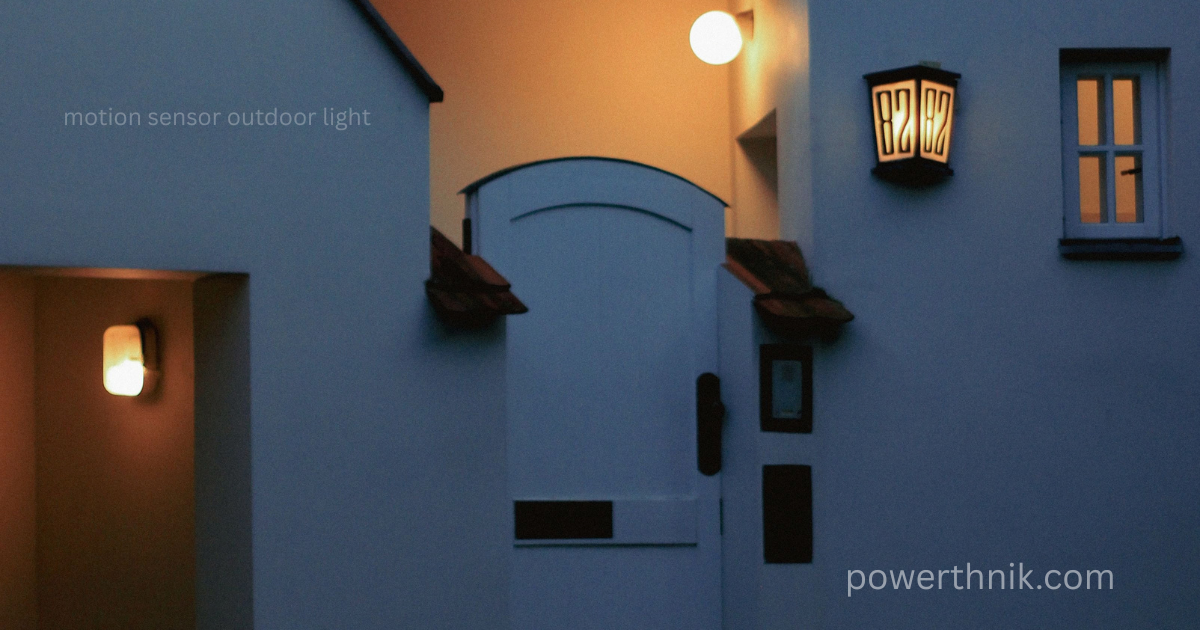
Solar lighting can suit gardens, sheds, gates, paths, and remote areas. The panel needs a suitable position to collect enough sunlight during the day. Before buying, think about where the light will be fixed, how far the sensor needs to detect, how bright it should be, and whether you want mains, battery, or solar power.
In the UK, shorter winter days can make solar performance more challenging. In the US, results vary by region, shade, panel direction, and local weather. A solar Motion Sensor Outdoor Light should therefore match available sunlight rather than simply its appearance or advertised battery capacity.
Smart Features and Security
A motion sensor outdoor light with smart features can combine motion detection with cameras, smartphone apps, schedules, adjustable brightness, and specific detection zones. These features can help users check activity around a front door without installing separate lighting and camera equipment.
A smart Motion Sensor Outdoor Light may also send alerts when movement occurs, depending on the product and connected service. Before choosing one, check Wi-Fi requirements, app compatibility, storage options, and privacy controls. A motion sensor outdoor light with smart controls can also suit users who want remote access. The best motion sensor outdoor light should match the property rather than simply offer the most features.
Installation and Maintenance
In the UK, electrical requirements can depend on the circuit and installation, so check applicable rules and use a qualified electrician where required. In the US, local electrical codes and permit requirements can vary. Always follow product instructions and local requirements rather than assuming every outdoor installation uses the same process.
Check the fitting after installation, especially after strong weather, and keep the sensor area clear throughout the year. This simple check can also help maintain reliable operation and reduce avoidable false triggers over time.
Common Mistakes to Avoid
One common mistake involves choosing a light based only on maximum brightness. Brightness does not solve poor positioning. Another mistake involves ignoring the detection angle and placing the sensor where passing vehicles or moving branches can trigger it repeatedly.
We should also avoid choosing a solar model for a permanently shaded location. A small battery light may not suit a high-traffic driveway. Matching the power source, sensor range, weather protection, and light output to the location produces a more useful result.
FAQs
Can a motion sensor outdoor light stay on continuously?
Some models include manual or continuous-light modes, while others operate only when their sensor detects movement. Check the product specifications before buying.
Are solar motion lights reliable in winter?
A motion sensor outdoor light can work in winter, but shorter daylight, cloud, shade, and poor panel placement can reduce charging. A suitable location and realistic expectations matter.
Should I choose PIR or microwave?
A motion sensor outdoor light can use either technology, depending on the design. PIR is widely used for home security lighting, while microwave sensing can suit certain larger areas. Compare coverage, sensitivity, and the installation environment before choosing.
How far can a motion sensor detect movement?
Detection distance varies by model, sensor type, mounting position, and sensitivity setting. Check the manufacturer’s stated range and test the coverage after installation.
Does an outdoor motion light need to be weatherproof?
Outdoor fixtures need protection suitable for their installation environment. Check the product’s IP rating, mounting instructions, and weather-resistance information before installation.
Can motion lights work with cameras?
Some smart outdoor lights combine motion detection and cameras. They may also provide smartphone alerts, live viewing, schedules, and adjustable detection zones, depending on the model.