
If you are trying to work out your roof cost before booking a contractor, you are not alone. Homeowners across the UK and the United States ask the same question every year: how much should a new roof actually cost, and why do quotes vary so much from one company to the next? This guide breaks down real numbers, real factors, and real advice so you know exactly what to expect before you sign anything, and so your roof cost never comes as a surprise.
Average Roof Cost in the UK and US
Your roof cost depends heavily on which side of the Atlantic you live on, but the logic behind the price stays the same everywhere. In the United States, a typical roof replacement averages around $10,000, though homeowners report anywhere between $5,500 and $20,000 depending on the size of the property and the materials chosen. Broken down by square footage, most companies charge between $5 and $10 per square foot.
In the UK, prices are usually quoted per square meter rather than square foot, and figures swing just as widely because of local labor rates, roof style, and material availability. Either way, your roof cost is never a fixed number it is a range shaped by your specific home.
What Affects Your Roof Cost
Understanding what drives your roof cost up or down puts you in a much stronger position when comparing quotes. A good contractor will walk you through each of these points before giving you a final figure, rather than handing you one flat number with no explanation.
Size, Pitch and Roof Complexity
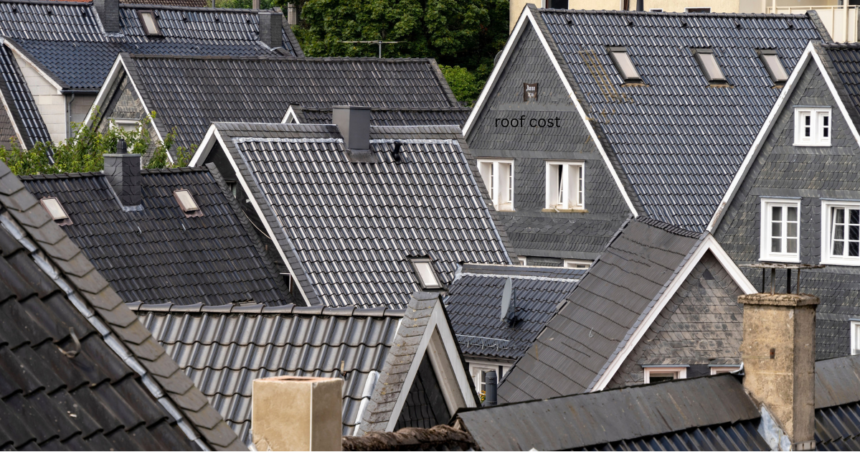
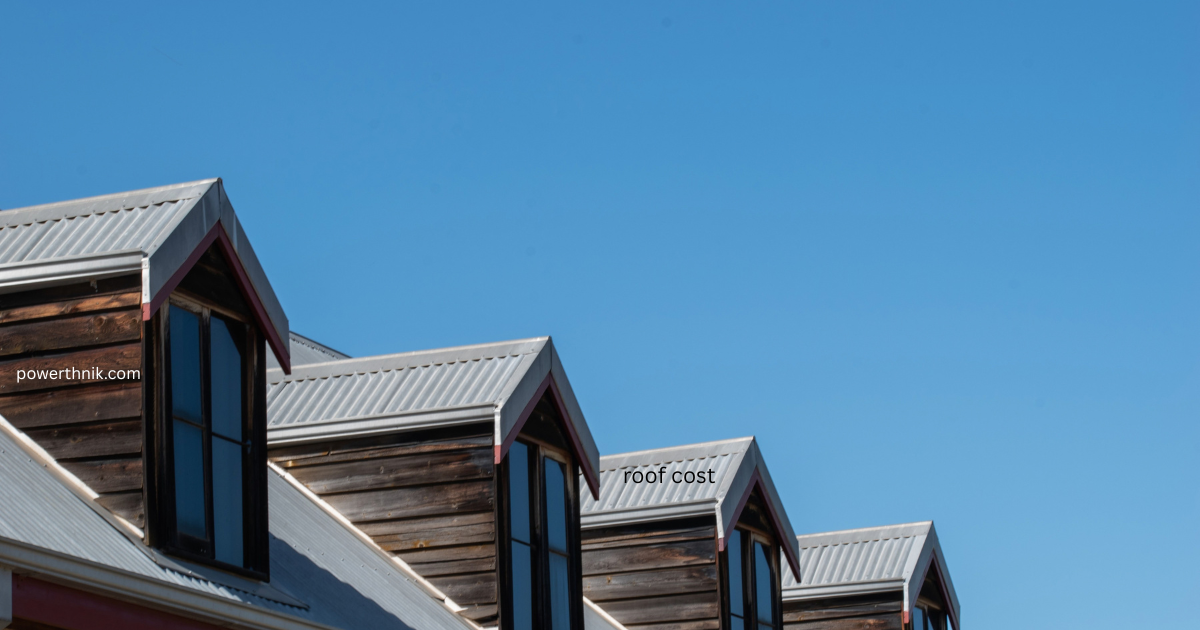
The single biggest factor behind any roof cost is simply the size of the roof. A bigger home means more surface area to strip, more membrane to lay, more battens, and more tiles or shingles all of which take extra time and materials. You can get a rough idea of your own roof size by multiplying the length of your home by its width, then applying a factor between 1.04 and 1.2 depending on how steep the roof is. Steeper roofs, along with features like hips, valleys, abutments, and dormer windows, all add extra cutting, flashing, and finishing work, which pushes the price higher than a simple, flat, easy-to-access roof.
Roofing Materials and Their Price
Materials make a massive difference to your roof cost because they affect both the look and the lifespan of your roof. Natural slate can last over a hundred years but costs around £2.50 per tile in the UK, while fibre-cement slate offers a similar appearance for less. Clay and interlocking concrete tiles sit in the mid-range, offering good value without sacrificing durability.
In the US, asphalt shingles remain the cheapest option, while cedar shake, metal, and natural slate sit at the top end of the budget. On flat roofs, waterproof membranes such as EPDM or torch-on felt provide the main barrier against water, and metal options like steel, zinc, copper, or aluminium each come with their own price point depending on thickness and finish.
Labor Costs and Hidden Roof Cost Factors
Labor is baked into almost every roof cost estimate you receive, whether the crew is in-house or subcontracted. This part of the quote usually stays fixed once agreed, unless you choose a harder material like slate, cedar, or metal, which may require a specialized team and push the price up slightly.
What often catches homeowners off guard is not labor, but hidden damage. The number of existing layers on your roof, rotten wood decking underneath old shingles, and water damage that only becomes visible once the old roof is stripped away can all add unexpected amounts to your final roof cost. A trustworthy roofer will check your attic during the initial estimate and flag any early signs of rot before work begins, which helps avoid nasty surprises later.
How to Budget for Your Roof Cost
The smartest way to manage your roof cost is to prepare before you even call a contractor. Keep a simple record of any leaks you notice when it rains, and check your loft or attic for sagging, damp patches, or daylight coming through the roof boards. These small observations give your roofer useful clues about the condition of the wood decking underneath, which affects the accuracy of your quote.
It also helps to get more than one estimate, ask directly about material options at different price points, and confirm whether labor and disposal of old materials are already included in the number you are given. A clear, itemised quote is always a better sign than a vague one, and it protects you from an inflated roof cost further down the line.
Whether you are dealing with a leaking roof in Manchester or a storm-damaged one in Texas, the fundamentals of pricing stay consistent: size, pitch, material choice, labor, and hidden repairs all combine to shape your final number. Getting familiar with these factors before you request quotes means you can budget properly, compare offers fairly, and avoid being blindsided by your final roof cost.
Frequently Asked Questions
What is the average roof cost in the UK and US?
In the US, the national average sits around $10,000, ranging from $5,500 to $20,000. In the UK, pricing depends more on square meter rates, local labor, and material choice, so it varies significantly by region.
Why do roofing quotes vary so much between companies?
Quotes differ because of roof size, pitch, material selection, labor rates, and how much hidden repair work — like rotten decking a contractor expects to find once the old roof is removed.
Does roof pitch affect the price?
Yes. Steeper roofs, along with features like valleys, hips, and dormer windows, require more cutting, flashing, and time, which raises the overall roof cost compared to a simple flat roof.
Which roofing material is the cheapest option?
Asphalt shingles in the US and fiber-cement slate in the UK are generally the most budget-friendly choices, while natural slate, metal, and cedar shake sit at the premium end.
Can hidden damage increase my final roof cost?
Yes. Wood rot, water damage, and extra layers of old roofing material are often only discovered once work begins, and these issues can add to your original estimate.
How can I keep my roof cost as low as possible?
Get multiple quotes, ask for an itemized breakdown, report leaks or sagging early, and choose durable but mid-range materials to balance upfront roof cost against long-term value.