A flat roof does not have to limit a home’s solar potential. Solar panels on a flat roof can turn unused roof space into a useful source of renewable electricity, but the design needs more thought than simply placing modules on the surface. Roof condition, sunlight, drainage, wind exposure, available area, and household electricity demand all matter. The U.S. Department of Energy notes that roof size, shape, slope, shade, location, and age can affect solar suitability.
For homeowners in the UK and United States, the basic goal remains the same: create a safe photovoltaic system that receives useful sunlight throughout the year. Solar panels on a flat roof often need a mounting structure to create a suitable angle, while a careful survey can prevent expensive changes later.
Why Installing Solar Panels on a Flat Roof Is a Smart Choice
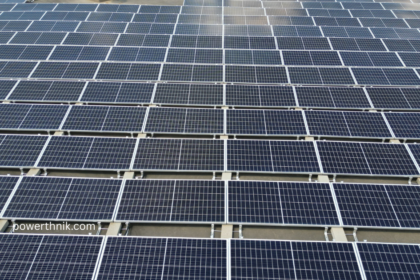
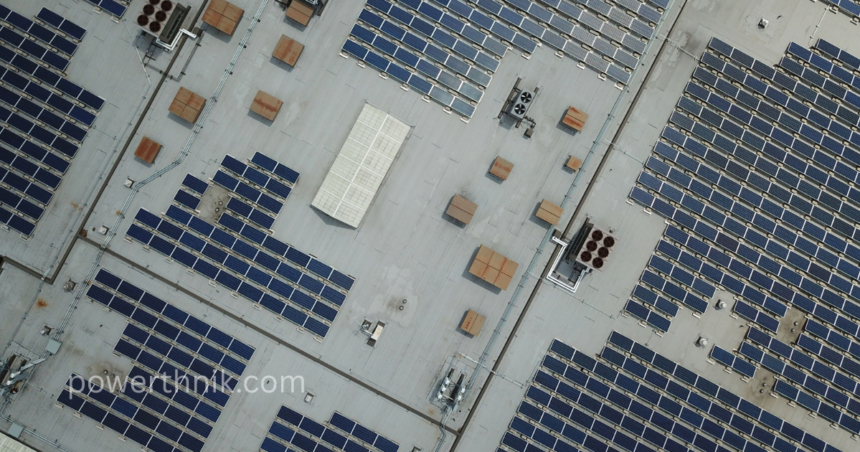
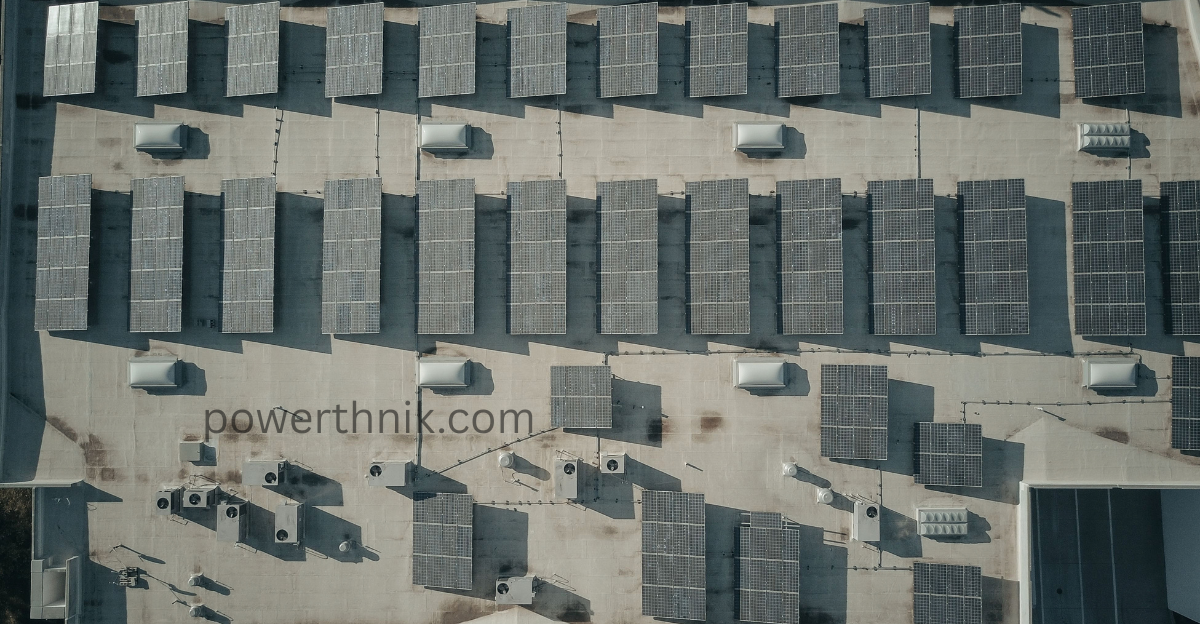
The main advantage is flexibility. Installers can arrange an array around vents, skylights, chimneys, roof edges, and other obstacles instead of following a fixed slope. Solar panels on a flat roof can therefore use available space in a planned layout that balances sunlight, safe access, and maintenance.
A well-designed system does not simply maximize the number of panels. It leaves room for drainage, inspection, roof work, and safe movement while still aiming for useful annual energy production. The U.S. Department of Energy recommends checking roof age and condition before going solar and says qualified professionals can determine whether a roof can support the system.
Creating a Better Angle
Flat roofs normally need a mounting arrangement because the roof itself provides little natural tilt. A raised frame can orient solar panels on a flat roof toward the sun and reduce the time modules operate at an unhelpful angle. The correct angle depends on location, orientation, shading, and system design rather than one universal number.
Spacing matters as well. Rows placed too close together can shade one another when the sun sits low. The U.S. Department of Energy explains that PV mounting structures are designed to withstand weather and can tilt an array according to factors such as latitude and orientation.
Choosing the Right Mounting System
Two common options are ballasted and mechanically attached systems. Ballasted designs use weight to hold the array without direct roof penetrations. Mechanically attached systems use anchors or fasteners connected to the roof structure and require careful waterproofing.
Ballast can simplify removal, but extra weight makes structural assessment important. Mechanical attachment can provide strong resistance against movement, but each roof penetration needs proper sealing. Local wind conditions, roof construction, manufacturer instructions, and maintenance plans should guide the choice.
The mounting system must withstand wind, rain, hail, and long-term outdoor exposure while preserving drainage. A professional installer should explain how the selected system affects roof loading, access, warranties, and future repairs.
Parapet Walls and Shading
Parapet walls can create a hidden performance problem. A panel may appear to have plenty of sunlight while a nearby wall casts shade across part of the array. Solar panels on a flat roof can lose useful output when shadows cover modules during important periods.
A sensible design checks the sun’s movement throughout the year rather than relying on one midday observation. Installers can raise or reposition panels when appropriate, but extra height can increase wind exposure. Trees and nearby buildings deserve the same attention. The Department of Energy identifies shade, roof position, and geographic location as factors affecting rooftop solar potential.
Protecting the Roof and Managing Water
Effective drainage should remain a priority. Installers should keep drainage routes clear and avoid creating areas where water can remain trapped. Keeping outlets and inspection points accessible also makes future maintenance easier.
Panels can collect dust, pollen, leaves, and bird debris. A suitable tilt can help rain remove some surface dirt, although every roof still needs sensible inspection and cleaning when required. Heavy dirt can reduce sunlight reaching the cells and lower output.
Roof age also matters. If major repairs are due soon, addressing the roof before installing a long-lived solar system may make practical sense. The Department of Energy says residential solar panels commonly last around 20–25 years, so roof life and system life should be considered together.
How Much Power Can You Expect?
No installer should promise identical output for every home. Energy production depends on panel capacity, sunlight, shading, orientation, local climate, roof layout, system losses, and household electricity use. Solar panels on a flat roof can perform well, but their results depend on the final design.
Homeowners can use NREL’s Watts to estimate the potential output of a grid-connected PV system. The Department of Energy recommends using such estimates as a starting point and getting a custom assessment from a qualified installer.
For UK properties, the same principle applies: assess the actual roof, local weather, shading, electricity demand, and proposed panel layout. Avoid choosing a system simply because another house uses a certain number of panels.
Flat Roof Versus Pitched Roof
A pitched roof naturally provides a slope, while a flat roof gives installers more freedom to choose panel orientation. That flexibility can help when a building has several roof features that interfere with a fixed array.
However, a raised system introduces ballast, wind loading, spacing, and visual-height considerations. A pitched roof may offer simpler installation geometry, but neither roof type automatically guarantees better results. Local sunlight and final system design matter more.
Planning Your Solar Panels on a Flat Roof
Before installing solar panels on a flat roof, homeowners should check the condition of the roof, its drainage system, available space, and expected loading. A professional survey can reveal weak areas, ageing materials, or repairs that should happen before the solar work begins.
Planning should also include the position of vents, skylights, parapets, and access routes. A good layout leaves enough room for technicians to inspect the roof and equipment. This practical approach can make future maintenance easier and help protect the roof.
Planning Rules in the UK and United States
Planning requirements differ by location. In England, current permitted-development provisions for domestic solar include conditions for equipment on flat roofs, including rules involving roof edges and how far equipment projects above the roof plane. Protected locations can have additional requirements.
In the United States, permitting and inspection involve local authorities, and requirements vary between jurisdictions. The Department of Energy states that local governments generally require permits for rooftop solar before installation, followed by inspection before grid connection.
This difference matters for anyone comparing UK and U.S. projects. Do not assume a rule from one country applies to the other. Check the local authority, utility, building requirements, and homeowners’ association rules where relevant.
Maintenance and Long-Term Reliability
Maintenance begins with keeping the roof and solar equipment accessible. Inspect panels, mounting points, drainage routes, cables, and visible roof areas according to installer and manufacturer guidance. Early attention to small problems can prevent larger repair costs.
A flat-roof array should also allow technicians to reach important roof areas. The Department of Energy reports that many residential systems maintain at least 80% of their initial power output for at least 25 years, although actual performance depends on equipment and conditions.
When Professional Installation Makes Sense
DIY installation may look tempting when a roof seems easy to reach. However, structural loading, electrical work, waterproofing, wind resistance, and grid requirements can make the project complex.
A qualified installer can inspect the roof, calculate system requirements, design the array, select mounting hardware, and manage required permits or inspections. In the United States, the Department of Energy recommends qualified professionals and identifies NABCEP certification as an industry-standard credential.
Final Thoughts
Solar panels on a flat roof can turn an underused roof into a useful source of renewable electricity when the project starts with careful planning. The strongest approach combines a sound roof, sensible panel spacing, suitable mounting, effective drainage, realistic production estimates, and professional electrical work.
For UK and United States homeowners, design around the actual property rather than copying a standard system. Check roof condition, study shading, understand local rules, compare installer proposals, and calculate expected energy production before committing.
Solar panels on a flat roof can then become a practical part of a modern home energy system, provided the roof, mounting design, electrical equipment, and local requirements all receive proper attention.
FAQ
Can I install solar panels on a flat roof?
Yes. Solar panels on a flat roof can work effectively when the roof can support the system and the installer designs mounting, spacing, drainage, and orientation correctly. A roof survey helps identify problems before installation.
Do flat roofs need tilted solar panels?
They often benefit from a raised mounting system because the roof itself provides little slope. The ideal arrangement depends on location, sunlight, shading, wind conditions, and available roof space rather than one universal angle.
Are flat-roof solar systems expensive?
The price varies with system size, mounting method, roof condition, labor, electrical equipment, permits, and local market rates. Ballasted systems may avoid roof penetrations, while mechanically attached designs can require specialized waterproofing.
Can wind damage a flat-roof solar array?
Strong wind can affect raised panels, so installers calculate wind loads and select suitable mounting methods. Ballast or mechanical attachment must match the roof structure and local conditions.
How long do solar panels last?
Many residential solar panels can operate for decades. The Department of Energy says residential systems commonly last around 20–25 years, with many systems retaining at least 80% of their initial output for at least 25 years.
Do I need permission for a flat-roof solar installation?
Requirements depend on location. In England, permitted-development rules include specific conditions for solar panels on a flat roof, while U.S. permitting varies by local jurisdiction. Check the relevant authority before work begins.