
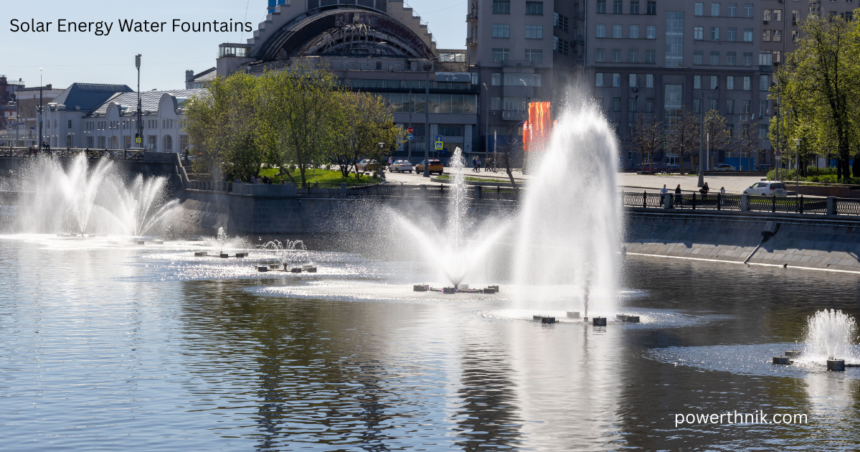
Solar energy water fountains have become one of the most popular ways for UK homeowners to enhance their gardens without adding to maintenance or energy costs. Creating a beautiful outdoor space is a priority for many, and this type of water feature offers an easy way to do it combining the calming sound of flowing water with the benefits of renewable energy.
Unlike traditional fountains that rely on mains electricity, these eco-friendly features run entirely on sunlight, making them easy to install and cost-effective to use over the long term. There’s no need for underground wiring or professional installation, and they come in a wide range of styles to suit different tastes. Whether you have a small courtyard, a balcony, or a large landscaped garden, there’s a solar fountain that can complement your outdoor space perfectly.
What Are Solar Energy Water Fountains?
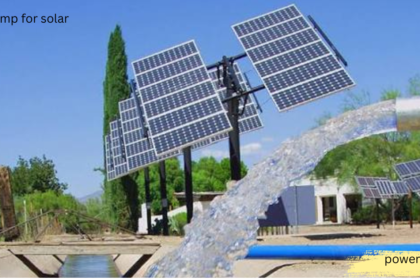
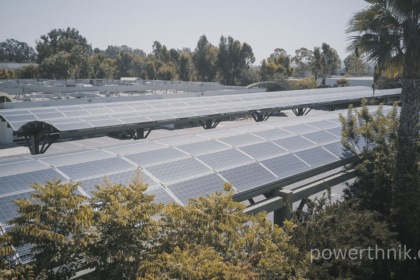
The panel captures sunlight and converts it into electricity, which powers a pump that circulates water through the display. Since they rely on renewable energy, they eliminate the need for electrical wiring and reduce ongoing running costs.
Many modern models also include battery backup systems that store energy during sunny periods. This allows the unit to keep operating during cloudy weather or into the evening particularly useful given the UK’s changeable climate.
Why Are Solar Energy Water Fountains So Popular in the UK?
UK homeowners appreciate products that combine beauty, functionality, and energy efficiency, and this type of fountain offers all three.
Low running costs. Since the pump uses sunlight instead of grid electricity, there are no extra energy bills tied to its operation, making it a strong long-term investment for anyone wanting to improve their garden without raising household expenses.
Simple installation. Most models need little more than placing the unit in a sunny spot and adding water no complicated wiring, professional installation, or costly upkeep required.
Wildlife appeal. The movement and sound of water naturally attract birds, butterflies, and beneficial insects, helping create a more vibrant outdoor environment.
Key Benefits of Solar Energy Water Fountains
- Environmentally friendly Runs entirely on renewable energy, helping reduce carbon emissions and supporting a more sustainable lifestyle.
- Cost effective Removes the ongoing electricity costs that traditional electric fountains add to a household.
- Easy to install No underground cables or electrical outlets needed; just position the panel for sunlight and it’s ready to go.
- Enhances garden aesthetics The sound of flowing water creates a peaceful atmosphere and adds visual interest to patios, courtyards, and borders.
- Attracts wildlife A bird bath style unit in particular can encourage regular garden visitors, adding both entertainment and ecological value.
Popular Types of Solar Energy Water Fountains
Bird bath fountains are among the most common choice in the UK. They create gentle water movement that attracts birds while keeping the water fresh and oxygenated.
Cascading water features use multiple tiers to create flowing effects, with the sound of water moving between levels adding a relaxing atmosphere to seating areas.
Stone-effect designs offer the look of natural stone while staying lightweight and easy to install, working particularly well in traditional British gardens.
Contemporary designs feature clean lines, geometric shapes, and minimalist styling, suited to modern patios and landscapes.
Pond fountains and ornaments let homeowners with ponds use solar-powered pumps to increase water movement and improve overall pond health.
How Well Do Solar Energy Water Fountains Perform in UK Weather?
A common question is whether these fountains work effectively in the UK’s often cloudy climate. The answer largely comes down to the quality of the solar panel and where it’s positioned.
Higher-efficiency monocrystalline panels can generate power even in overcast conditions, though output naturally improves in bright sunshine. Units with a separate panel (rather than one built into the fountain body) tend to perform better, since the panel can be angled independently for maximum exposure. A battery backup adds further reliability by storing surplus energy from sunnier periods for later use.
Performance typically dips in winter due to shorter daylight hours, though a well-positioned panel can still deliver useful operation on bright winter days.
Choosing the Right Solar Energy Water Fountain
Garden size
Compact bird bath styles suit small patios and balconies, while larger gardens can accommodate more substantial features.
Solar panel type
Monocrystalline panels generally outperform older panel technologies, which is particularly useful in UK conditions.
Battery backup
Worth choosing if you want the fountain running beyond daylight hours.
Water flow style
Options range from gentle bubbling displays to dramatic sprays or cascading waterfalls; pick one that matches your garden’s design.
Build quality
Look for filtration systems, anti-clog technology, and pump protection, as these reduce maintenance and improve long-term reliability.
Installation and Ongoing Care
Getting the best performance and lifespan out of your solar energy water fountain comes down to a few consistent habits:
- Position for sunlight. Place the solar panel where it gets direct sun for most of the day, away from shade cast by trees, fences, or buildings.
- Adjust seasonally. If the panel is separate from the fountain, re-angle it periodically to track the sun’s changing position through autumn and winter.
- Clean regularly. Leaves, dirt, and debris reduce pump efficiency, so clean the basin and pump every few weeks and wipe down the solar panel itself, since dust build-up lowers energy absorption.
- Watch water levels. Especially in hot weather, running a pump without enough water can cause damage; many modern units include an automatic shut-off to help prevent this.
- Protect against frost. Drain the fountain before freezing temperatures arrive, and store resin or polyresin units in a dry, frost-free location over winter to prevent cracking.
Conclusion
Solar energy water fountains offer a practical way to enhance a UK garden while embracing renewable energy adding the beauty of flowing water without pushing up electricity bills or requiring complex installation. From bird bath fountains and cascading tiers to modern decorative designs, there’s a style suited to almost any outdoor space.
With the right placement, a quality panel, and a bit of regular upkeep, a solar water fountain can turn a garden into a more relaxing retreat while supporting a greener lifestyle.
Frequently Asked Questions
Do solar energy water fountains work without direct sunlight?
Yes, to an extent. Good-quality monocrystalline panels can still generate some power in overcast conditions, though output is lower than in direct sun. A battery backup helps bridge the gap on cloudier days.
Do I need to run a pump constantly?
No. Most solar fountains only run when the panel is generating power (or drawing on stored battery charge), which is part of what keeps running costs at zero.
Can I leave a solar fountain outside all year in the UK?
Resin and polyresin models should ideally be drained and stored indoors before frost sets in, as freezing water can crack the material. Stone and metal features are generally more frost-resistant, but check manufacturer guidance.
Are solar energy water fountains difficult to maintain?
Not particularly. Routine care is limited to periodic cleaning of the pump, basin, and panel, plus checking water levels there’s no electrical wiring or complex servicing involved.
Will a solar fountain attract unwanted pests?
Moving water is actually less attractive to mosquitoes than standing water, since mosquitoes prefer still water to lay eggs. A solar fountain’s circulation helps keep water more hygienic than a static bird bath.