Energy bills keep rising in both the UK and the US, so more households now look to the sun for relief. Solar devices range from rooftop panels to a pocket-sized phone charger, and you don’t need a huge budget to begin. In this guide, I explain how they work, which ones suit your home, and what to check before you pay. Whether you live in sunny Arizona or rainy Manchester, the right solar devices can trim your bills and shrink your carbon footprint at the same time.
What Are Solar Devices and How Do They Work?
Solar devices are products that turn sunlight into electricity or heat you can use straight away. Most of them rely on photovoltaic cells, thin slices of silicon that release electrons when light hits them. Those electrons flow through a circuit, and that flow is the electricity that powers your kettle or charges your phone.
From Sunlight to Usable Power
Rooftop systems add an inverter, which converts direct current into the alternating current your home runs on. Some setups also include a battery, so you can use stored power after dark. Thermal products work differently, because they heat water or air directly. Every one of these solar devices follows the same simple idea: capture light, convert it, then put it to work.
Do Clouds Matter?
Many people assume clouds shut everything down, but they don’t. Output drops on grey days, yet modern solar devices still collect diffuse light, which explains why the UK and Germany run huge solar fleets. I have watched a small panel keep charging a phone on a drizzly afternoon, just more slowly.
Best Solar Devices for Homes in the UK and US
Solar devices for the home fall into three groups, and each group suits a different budget. Start with the biggest saver, then work your way down to the small wins that add up over time.
Rooftop Solar Panels
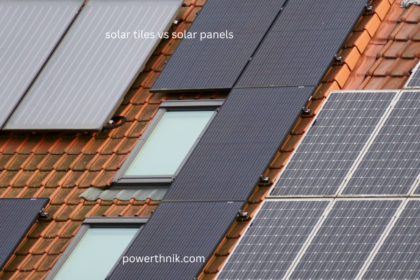
A typical home system of 3–6 kW can cover a large share of your yearly electricity use. In the US, that often means 4,000–9,000 kWh a year, while a 4 kW system in the UK commonly produces around 3,500 kWh. Installers usually finish the job in one to three days. South-facing roofs perform best, but east-west splits also work well because they spread output across the whole day. These solar devices cost the most upfront, yet they return the most over their 25-year life.
Solar Water Heaters
Solar thermal collectors warm water with sunlight directly, and they reach far higher efficiency than panels because they skip the electricity step. A household system often costs less than a full panel array. Among all solar devices for the home, they offer the easiest way to cut your gas or electric water-heating bill.
Solar Lights and Battery Storage
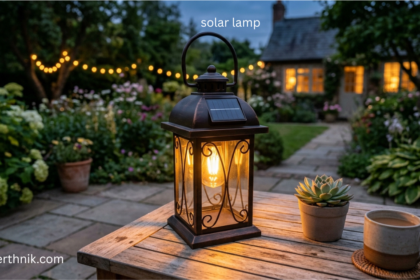
Solar garden lights cost roughly £5–£30 each and need no wiring at all. A home battery, such as a 10 kWh unit, stores midday power for the evening peak, when grid prices climb highest. Pairing a battery with panels raises the share of solar power you use yourself instead of exporting it.
Portable Solar Devices for Travel and Camping
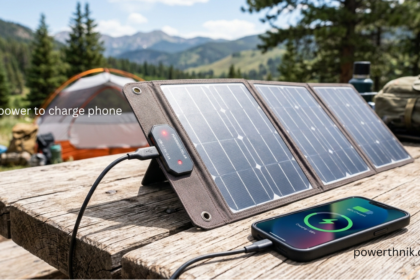
Portable solar devices make the easiest starting point, and prices begin at about $25 or £20. A foldable 20 W charger keeps your phone alive on a long hike, while a solar lantern gives safe light at a campsite without fuel. A solar backpack charges your gear as you walk. I suggest buying one small item first, because it shows you how much sun your area really gets before you commit to bigger solar devices.
What Do You Actually Save?
Costs vary widely, but the pattern stays steady. A home panel system runs about £5,000–£8,000 in the UK and $15,000–$25,000 in the US before incentives. Payback usually lands between 7 and 12 years, and panels often keep working beyond 25 years. Small solar devices pay back faster, sometimes within a single season of use. Rules change often, so check the UK Smart Export Guarantee, which pays you for power you send back to the grid, and look up your state incentives in the US. The federal homeowner tax credit has changed recently, so confirm what applies today before you sign anything.
Buying Tips Before You Spend
Check three things first: your roof direction and shade, your yearly electricity use, and the warranty. Get at least three quotes, and ask each installer for expected output in kWh, not just panel size. Look for MCS-certified installers in the UK and NABCEP-certified professionals in the US. Solar devices from unknown brands with no warranty rarely deserve your money, however cheap they look. Plan basic upkeep as well: rinse your panels a couple of times a year and glance at the inverter display now and then.
Final Thoughts
The smartest approach is to start small, learn from real results, and then scale up. Solar devices reward patience, and every unit you add lowers your reliance on the grid. Pick the option that matches your budget today, track your savings for a few months, and let those numbers guide your next purchase.
FAQs
Do solar panels work on cloudy days?
Yes, they do. Output drops by roughly 10–25%, but panels still generate power from diffuse light.
How long do solar devices last?
Panels commonly last 25–30 years, batteries 5–15 years, and small portable gear about 3–10 years, depending on care and use.
Do I need a battery?
No. A grid-connected system works without one, though a battery lets you use more of your own power in the evening.
Are solar devices worth it in the UK?
Yes, in most cases. Even with grey weather, UK homes generate enough power to reduce bills, and the Smart Export Guarantee rewards any extra you export.
What is the most budget-friendly way to begin?
Buy a portable solar charger or lantern. Most cost under $50 and need no installation.
Do I need planning permission?
Rules differ by location. Many UK and US homes can add roof panels without special approval, but check with your local council or city office first. Small solar devices like chargers and garden lights need no permission at all.