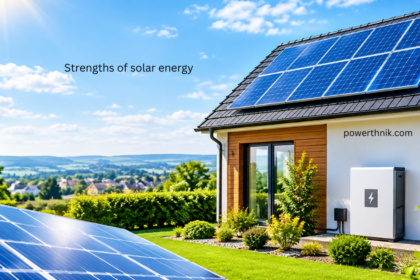

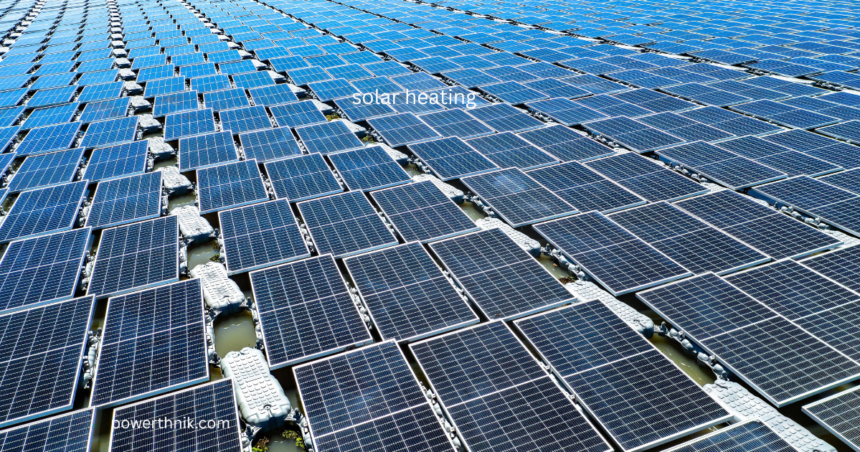
Solar heating offers UK homeowners a practical way to use the sun as a renewable source of warmth. Instead of relying entirely on gas, electricity, or other conventional fuels, a well-designed system can capture sunlight and turn it into useful heat for hot water or home heating. The UK climate does not provide strong sunshine every day, but modern systems can still make useful contributions throughout the year when they have suitable roof space and good exposure to daylight.
For many households, the biggest attraction is not simply using a renewable energy source. It is the opportunity to reduce energy consumption while making the home more efficient. A properly planned system can work alongside an existing boiler, immersion heater, heat pump, or thermal store. This approach is particularly useful in the UK because solar energy changes with the seasons, meaning homeowners should plan for periods when sunlight provides less heat.
What Is Solar Heating?
At its simplest, solar heating means capturing energy from sunlight and using it to produce useful heat. Solar thermal collectors absorb sunlight and transfer the resulting heat to water or another heat-transfer fluid. That heat can then be stored or used for domestic hot water and, with the right system design, other heating applications.
Solar thermal technology differs from photovoltaic solar panels. Photovoltaic panels generate electricity, while thermal collectors focus directly on capturing heat. A household can therefore choose technology according to its main energy requirement. If hot water represents a large part of household energy use, solar thermal may be worth considering alongside other renewable technologies.
In the UK, solar thermal systems normally work as part of a wider heating arrangement rather than providing every heating requirement on their own. Energy Saving Trust notes that solar water heating generally works alongside a boiler or immersion heater because the amount of available solar energy varies during the year.
How Does Solar Heating Work in a UK Home?
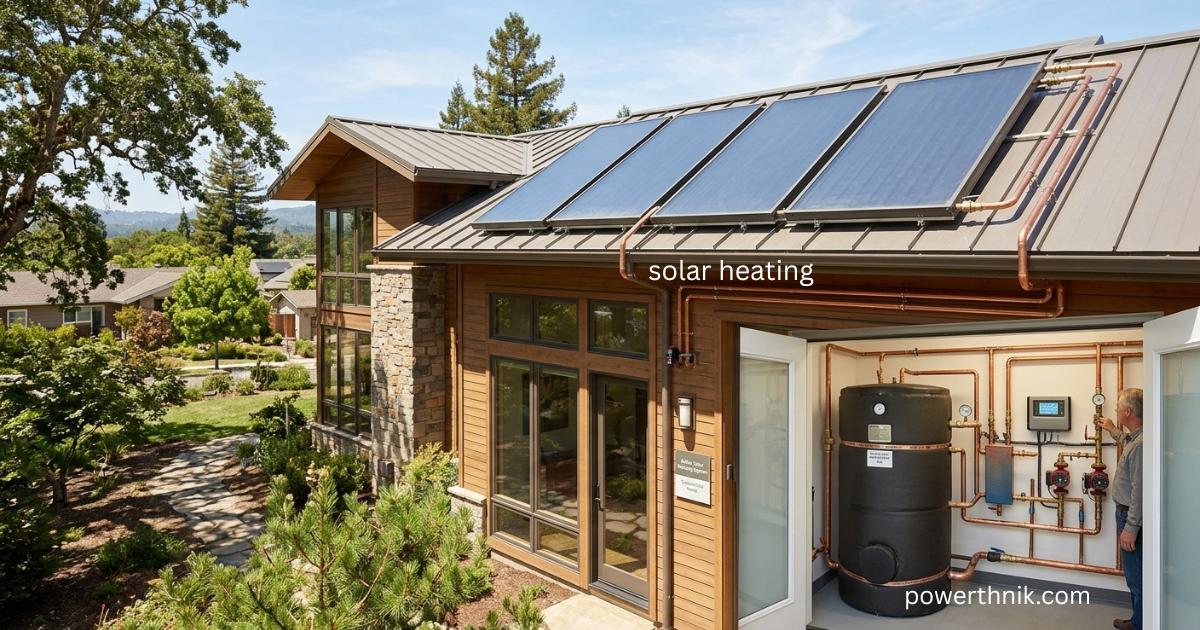
The process starts with collectors positioned where they can receive useful daylight. Inside a typical solar thermal system, a heat-transfer liquid moves through small pipes in the collectors. As sunlight warms the collectors, the liquid gains heat and travels through pipework towards a hot water cylinder.
Inside the cylinder, the heated fluid transfers its energy to the stored water. The cooler fluid then returns to the collectors, where sunlight heats it again. This cycle continues whenever the system can collect enough solar energy. The basic process is simple, but the final performance depends on collector design, orientation, shading, storage capacity, and household demand.
UK homes can use different collector designs, including flat plate collectors and evacuated tubes. Energy Saving Trust states that collectors work best on a south-facing roof or somewhere between east and west, while north-facing locations are generally unsuitable for good solar exposure.
Passive Solar Heating for UK Homes
Passive design takes a different approach because it does not depend on mechanical collectors to capture every unit of heat. Instead, the building itself helps make the most of sunlight. Window placement, insulation, orientation, glazing, thermal mass, and ventilation can all influence how much natural heat enters and remains inside a property.
A well-designed home can gain useful warmth when sunlight enters through suitable windows. Walls and floors with appropriate thermal mass can absorb some of that energy and release it gradually. Good insulation then helps keep the indoor temperature stable by reducing unnecessary heat loss.
Passive design works particularly well as part of a broader home improvement plan. Better insulation and controlled ventilation can reduce heating demand before a homeowner invests in additional equipment. For older UK properties, this may be especially important because improving the building fabric can make other heating technologies more effective.
Active Solar Heating Systems
Active systems use equipment to collect, move, and manage solar energy. A typical installation may include collectors, pipework, pumps, sensors, controls, and a hot water cylinder or thermal store. These components work together to transfer useful heat from the roof or another collector location into the home.
Solar thermal collectors directly capture heat, while photovoltaic panels can generate electricity for equipment such as heat pumps. The two technologies therefore perform different jobs, although they can work together in a wider renewable energy strategy.
A thermal store can also help a household make better use of collected heat. Energy Saving Trust explains that thermal stores can work with solar water heating and can allow collected solar heat to support space heating as well as hot water when the system is designed for that purpose.
Solar Water Heating: A Popular UK Application
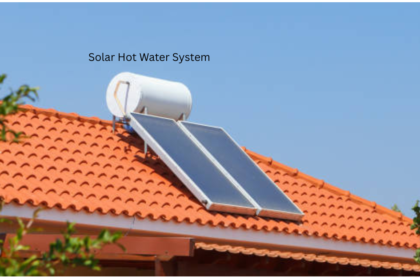
One of the most practical uses of solar heating in the UK is domestic hot water. Solar water heating collectors absorb sunlight and transfer heat to water stored in a cylinder. The household can then use that hot water for showers, baths, washing, and taps.
The amount of hot water produced changes with the seasons. Energy Saving Trust reports that a system may provide around 90% of hot water requirements in summer but around 25% in winter, demonstrating why most homes need another heat source to cover the difference.
The design of the existing hot water system also matters. Homes with conventional boilers and hot water cylinders are often easier to adapt than properties with combo boilers. A suitable solar hot water cylinder may be required, so homeowners should ask a qualified installer to assess the existing system before making a purchase.
Solar Space Heating and Heat Pumps
Using sunlight for space heating requires more careful system design than simply heating domestic hot water. The property may need additional collectors, larger storage capacity, suitable heat emitters, and a reliable backup source. The building’s insulation level also becomes important because excessive heat loss can reduce the practical benefit.
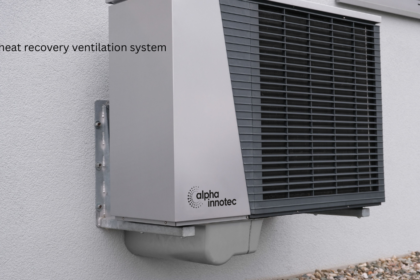
A heat pump can provide another low-carbon route for heating rooms. In some installations, solar-generated electricity can help power a heat pump, while solar thermal technology can contribute heat to a compatible thermal store. These technologies should not be confused with each other, but they can form part of the same home energy strategy.
For many UK properties, combining technologies makes more sense than expecting one system to provide everything. The right combination depends on the property’s construction, heating demand, roof space, budget, and existing equipment.
Is Solar Heating Worth It in the UK?
Whether solar heating makes financial sense depends on several factors. A home with good solar exposure, suitable roof space, regular hot water demand, and compatible storage may gain more value than a property with heavy shading or limited usable roof area.
The UK climate does not prevent solar thermal systems from working, but it does mean that output changes throughout the year. Homeowners should therefore avoid expecting the system to replace their existing heating source completely. Instead, the more realistic goal is to reduce the amount of conventional energy required for hot water or other compatible heating loads.
Solar water heating can also reduce a home’s reliance on fossil fuels. Energy Saving Trust says solar water heating can reduce energy bills and improve a home’s carbon footprint, while sunlight itself is a free renewable resource.
Solar Heating Costs in the UK
The installation price of solar heating varies according to collector type, system size, cylinder requirements, roof work, pipe routing, controls, and installation complexity. Energy Saving Trust currently gives around £5,300 as a typical cost for installing a solar water heating system, although individual projects can cost more or less.
Homeowners should compare several quotations instead of choosing an installer based only on the lowest price. Ask what equipment is included, whether the cylinder needs replacing, what warranties apply, and how the system will work with the existing boiler or heating equipment.
For renewable heating installations, certification can also matter. Energy Saving Trust recommends choosing installers certified through the Microgeneration Certification Scheme (MCS) for solar thermal installations.
Planning Permission and UK Installation Rules
Many domestic solar water heating installations fall under permitted development, but exceptions can apply. Listed buildings, conservation areas, national parks, and certain property situations may have additional requirements. Homeowners should check the rules that apply to their property and contact the relevant local planning authority when necessary.
Installation should begin with a proper assessment rather than simply selecting the largest available collector. The installer should consider roof orientation, shading, structural suitability, hot water demand, cylinder space, pipe routes, and the relationship with the existing heating system.
A professional assessment can also identify whether another renewable technology would deliver better results. This is important because a technically impressive system is not necessarily the most suitable system for every UK home.
Benefits of Solar Heating for UK Homeowners
The main advantage of solar heating is the ability to use renewable sunlight instead of relying entirely on conventional energy. Solar water heating can lower the amount of energy needed to produce domestic hot water, helping households reduce their dependence on other fuels.
Another benefit comes from reducing carbon emissions. Solar energy does not require fuel to be burned at the point where the sunlight is collected. When a household uses more renewable energy and less fossil fuel, its overall carbon footprint can decrease.
Solar thermal technology can also work well with other improvements. Better insulation, efficient hot water storage, smart controls, heat pumps, and photovoltaic panels can form a wider energy strategy. The strongest results usually come from treating the home as a complete energy system rather than viewing one technology in isolation.
Maintenance and Long-Term Performance
Once installed, solar thermal equipment does not require constant attention, but regular checks can protect performance. Homeowners should understand the maintenance instructions supplied by the installer and monitor the control system for warnings or unusual behavior.
Energy Saving Trust recommends having solar water heating systems checked thoroughly every five years, including flushing the system and replacing the fluid mixture where required. It also suggests considering shorter service checks for additional peace of mind.
The system should also remain operational during holidays unless the installer recommends another approach. Using available holiday functions can help manage the system while the property is empty. Good maintenance can protect the collectors, fluid circuit, controls, and cylinder over the long term.
Conclusion
For UK homeowners, solar heating can provide a useful renewable contribution to domestic hot water and, in suitable designs, wider heating needs. The technology works best when homeowners understand its seasonal nature rather than expecting it to provide unlimited heat throughout the year.
A good installation starts with the property itself. Roof orientation, shading, insulation, hot water demand, storage, existing heating equipment, and installation quality all influence the final result. When these factors work together, solar energy can become a practical part of a lower-carbon and more efficient UK home.
Frequently Asked Questions
Can solar heating work in the UK?
Yes. Solar heating can work in the UK, although output changes throughout the year. Systems generally produce more useful heat during brighter periods and less during winter. A backup heating source remains important for many homes.
Does solar heating work on cloudy days?
Solar thermal collectors can still receive energy from daylight when the sky is cloudy, but their heat output will normally be lower than during strong sunshine. UK homeowners should therefore consider seasonal variation when estimating system performance.
Can solar heating replace a boiler?
A solar thermal system usually should not be treated as a complete replacement for a boiler. It can provide a substantial contribution to hot water in suitable conditions, but another system may need to provide heat when solar output is insufficient.
Is solar heating better than solar PV?
Neither technology is automatically better because they perform different jobs. Solar PV generates electricity, while solar thermal collectors produce heat. A homeowner should choose according to the property’s energy requirements, available roof area, and wider heating strategy.
How much roof space does solar heating need?
The required area depends on the collector type and the household’s hot water demand. Energy Saving Trust says a main solar water heating system generally needs around five square metres of direct sunlight during the main part of the day.
Can solar heating work with a heat pump?
Yes, compatible renewable technologies can work together. A heat pump can provide space heating while solar thermal technology contributes to hot water or a suitable thermal store. The installer should design the controls and storage around both systems.
Does solar heating reduce energy bills?
It can. Solar heating can reduce the amount of conventional energy needed for hot water or compatible heating loads. The actual saving depends on system size, household demand, sunlight, existing fuel costs, and how effectively the system is used.
Should I install solar heating on my UK home?
Solar heating may be worth considering if the property has suitable roof space, good solar exposure, regular hot water demand, and a compatible hot water system. Compare professional quotations and consider the whole home’s energy efficiency before making a final decision.