A solar hot water system is one of the most practical ways for UK homeowners to reduce their reliance on gas or electricity for everyday hot water needs. As energy prices continue to rise, more households are looking at renewable heating options, and this technology remains one of the simplest to understand and install on a typical UK roof.
A solar hot water system works differently from solar PV panels — instead of producing electricity, it’s designed purely to trap the sun’s heat and pass it into a storage cylinder for everyday use. This guide explains how it works, what it costs, how much you can save, and what to consider before moving forward with an installation on your property.
What Is a Solar Hot Water System
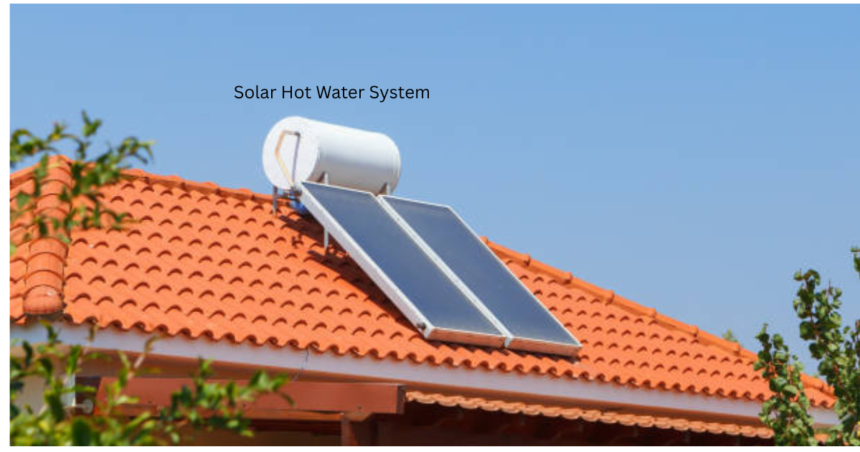
Collectors fitted to the roof form the core of a solar hot water system, drawing in warmth from sunlight throughout the day. This heat is transferred through a circulating fluid into a specially designed cylinder, where it warms the water used throughout the home.
A typical setup includes collectors, insulated pipework, a circulation pump, a controller, a cylinder and a backup heating source. The backup heater becomes important during periods when sunlight alone cannot meet household demand, particularly during UK winters when daylight hours are shorter and solar radiation is weaker.
Many homeowners are surprised to learn that this kind of setup can be added alongside almost any existing heating arrangement, provided there is room for a suitable cylinder. This flexibility is part of why the technology continues to appeal to both new-build owners and those renovating older UK properties.
The Working Process Behind a Solar Hot Water System
The process is relatively simple. Sunlight striking the collectors warms a special fluid, which then flows through connected pipework toward the storage cylinder. Inside, a heat exchanger transfers this energy into the stored water without mixing the two fluids directly.
Once the heat has transferred, the cooled fluid returns to the collectors to absorb more energy, and a controller manages when the pump should run. When solar output is low, a boiler or immersion heater tops up the temperature so the household always has access to hot water, regardless of weather conditions.
Some newer controllers can even factor in weather forecasts and typical household usage patterns, helping the backup heater switch on only when it’s genuinely needed, which further improves overall efficiency.
Does Your UK Property Suit a Solar Hot Water System
Before installing, it’s worth assessing whether your property is suitable. Roof orientation plays a major role south-facing roofs generally perform best, though south-east and south-west orientations can also work well. Shading from trees, chimneys or nearby buildings can reduce how effectively the collectors perform throughout the day.
Household hot water demand matters too. A larger family that uses more hot water daily is likely to get more value from the setup, since a greater share of the collected heat gets used rather than wasted. It’s also worth thinking about the age of your current cylinder, available loft space for pipe runs, and whether your household’s hot water use is likely to change in the coming years.
Flat Plate vs Evacuated Tube Collectors
Most UK installations use either flat plate collectors or evacuated tube collectors. Flat plate collectors are simpler in design, with an absorber and pipework sealed beneath a glazed cover. Evacuated tube collectors use a series of vacuum-sealed glass tubes, which reduce heat loss and can perform better in cooler, overcast conditions common across the UK.
Neither type is universally better for every property the right choice depends on available roof space, budget and expected household hot water use, so a professional assessment is recommended before committing to either option.
What’s the Typical UK Price Tag for a Solar Hot Water System
The cost varies depending on collector type, cylinder size, roof access, scaffolding and plumbing work required. For most households, installation runs into several thousand pounds, though straightforward projects on accessible roofs tend to cost less than properties requiring extensive modifications.
Key factors that affect the price include:
- Number and type of collectors used
- Size and specification of the hot-water cylinder
- Roof accessibility and scaffolding needs
- Length of pipework required
- Whether the existing cylinder needs replacing
- Labor and installer rates in your area
It’s worth getting several detailed quotes before choosing an installer, comparing not just price but warranty terms, equipment specifications and expected performance. A quote that looks unusually low may be leaving out scaffolding, cylinder replacement or plumbing work that gets added later.
Expected Savings From Switching to a Solar Hot Water System
Savings depend largely on how much hot water your household uses and what energy source it would otherwise come from. Homes that previously relied on electric immersion heaters often see the greatest savings, since electricity tends to cost more per unit than gas.
That said, savings are never guaranteed. Weather patterns, energy tariffs and household habits all influence the actual return each year. The most reliable way to judge whether the investment makes financial sense is to compare its expected annual contribution against total installation and maintenance costs, rather than relying on a generic online estimate.
Why Homeowners Choose a Solar Hot Water System
There are several reasons UK homeowners choose this technology:
Lower energy bills
Reducing reliance on a boiler or immersion heater for hot water can meaningfully cut monthly energy costs.
Reduced carbon footprint
Using sunlight instead of fossil fuels for part of your hot water needs helps lower household emissions.
Long-term reliability
A well-maintained setup can remain effective for many years with minimal servicing.
Strong summer performance
Longer daylight hours mean summer is typically when performance peaks, sometimes covering most of a household’s hot water needs during that period.
Things to Consider Before Installing a Solar Hot Water System
While the benefits are real, it isn’t a complete replacement for conventional heating. UK winters bring shorter days and weaker sunlight, so a backup heat source will always be necessary. Upfront installation costs should also be weighed carefully, especially if your property needs a new cylinder or additional plumbing work.
Roof shading, available space and the age of your existing heating setup should all factor into the decision before moving forward. It’s also worth remembering that this technology typically only heats domestic hot water, not central heating, so it won’t fully replace your boiler.
Choosing the Right Installer
Selecting a qualified, experienced installer is just as important as choosing the right equipment. Look for certified renewable-energy installers, ask for multiple quotes, and compare proposed collector sizes, cylinder specifications, warranties and expected performance figures.
A proper site survey covering shading, roof pitch, structural capacity and household hot water usage should always come before any final decision. It’s also reasonable to ask for references from previous UK installations and to confirm exactly what after-sales support and warranty cover is included in the price.
Checking an installer’s certifications and accreditation status is another important step, since this can affect eligibility for any current government support schemes. It also helps to ask how long the company has been trading locally, whether they carry appropriate insurance, and how quickly they typically respond if something needs attention after installation. A reliable installer should be happy to answer these questions clearly rather than rushing you toward a decision.
Conclusion
For UK households with suitable roof conditions and consistent hot water demand, a solar hot water system can be a genuinely worthwhile investment. It won’t eliminate the need for a backup heater entirely, but it can significantly reduce reliance on gas or electricity throughout the year, especially during spring and summer months. Getting a proper site assessment and comparing multiple installer quotes remains the best way to ensure the setup delivers real value over time.
Frequently Asked Questions
How efficient is a solar hot water system in the UK?
Performance is strongest during brighter months, with winter output typically much lower due to reduced daylight. A backup heater remains essential year-round regardless of season.
Can a solar hot water system work in cloudy weather?
Yes. It can still absorb diffuse daylight on cloudy days, though it generates less usable heat compared to clear, sunny conditions.
Does a solar hot water system need a battery?
No. It produces heat rather than electricity, so energy is stored in a hot-water cylinder instead of a battery.
How long does a solar hot water system last?
With proper installation and regular servicing, it can remain effective for many years, though pumps and controllers may need replacement sooner than the collectors themselves.
Is planning permission needed for a solar hot water system?
Most domestic installations fall under permitted development rules in the UK, though listed buildings and conservation areas may have additional restrictions worth checking beforehand.