
Flexible solar panels offer a practical way to produce solar power where rigid modules are difficult to fit. Their thin design suits curved roofs, caravans, motorhomes, boats, narrowboats and small off-grid structures. They can be useful for UK projects where weight, shape or portability matter.
What Are Flexible Solar Panels
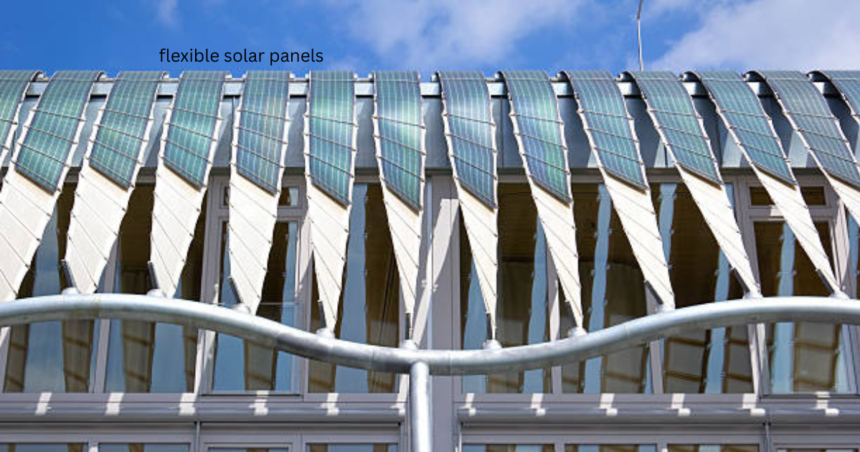
Flexible solar panels are photovoltaic modules designed to bend or follow a curved surface. Instead of relying on a thick glass front and heavy frame, many models use flexible materials that reduce weight and make handling easier. For UK users, the attraction of flexible solar panels is versatility.
A caravan roof, boat deck or curved outbuilding may not provide a convenient surface for a conventional module. A flexible design can follow that shape more easily. The trade-off is important: traditional monocrystalline or polycrystalline panels often deliver higher efficiency and suit permanent domestic or commercial roofs more effectively.
How Are Flexible Solar Panels Made
Manufacturers use different cell technologies to create flexible modules. CIGS, or copper-indium-gallium-selenide, is a common thin-film approach. These cells can use a plastic backing and very thin photovoltaic layers, allowing the module to remain light and flexible. Other products use monocrystalline cells, metallic backing and protective surfaces to create semi-flexible construction.
The flexible solar panels’ cell design affects efficiency, durability, bendability and price. Some flexible PV products can handle gentle curves, while specialist CIGS models can bend much further. Always check the manufacturer’s bending limit before installation, since forcing a panel beyond its specification can damage the cells.
Where Can You Use Flexible Solar Panels
Flexible solar panels work especially well on mobile and unusual structures. Caravan owners can use them for battery charging, lighting and everyday off-grid equipment. Boat owners may install them on decks or curved cabin roofs, while motorhome users can use available roof space without adding the weight of a conventional framed module.
These panels can also suit garden offices, sheds, small outbuildings and temporary solar projects. For a typical UK house with a suitable pitched roof, standard rigid panels may remain the more practical choice when maximum electricity generation and long-term performance are the main priorities.
Advantages of Flexible Solar Panels
The biggest benefit is flexibility. These panels can fit surfaces where a rigid panel cannot. Installation can also be simpler on some applications because certain products use adhesive backing instead of conventional mounting rails. This can reduce drilling on suitable surfaces and keep the installation low profile.
Thin-film technology can also respond well to different light conditions, depending on the product. Solar modules still generate electricity from daylight during cloudy UK weather, although output varies with sunlight levels.
If you regularly move between campsites, travel in a motorhome or use a boat, a lightweight solar solution can make more sense than a heavy framed system. The right flexible solar panels can provide useful battery charging without taking up unnecessary structural weight.
What Should You Check Before Buying
Start with power requirements. Work out how much electricity you need for lights, appliances, battery charging or other equipment. Then compare the panel’s rated wattage, efficiency, dimensions and weight. A lower-wattage flexible solar panels option may cost less, while a higher-output model can provide more electricity from limited surface area.
Next, check weather resistance, connectors, warranty terms and expected lifespan. UK installations need protection from rain, wind and changing temperatures. Pay close attention to the manufacturer’s instructions for adhesive, cabling, drainage and cleaning. If the system connects to a home electrical installation, use a qualified installer.
Flexible Solar Panels Installation Tips
Begin by choosing a surface with good exposure to daylight and as little shading as possible. If the panel uses adhesive, apply it correctly and allow the recommended curing time. Keep cable connections protected from water and avoid sharp bends that could damage the wiring.
A charge controller may be required for battery-based systems, while larger systems may also use an inverter. Flexible solar panels can be connected in series or parallel, depending on the system design. An installer should select the correct wiring, voltage and protection equipment for the battery and electrical load.
For UK homes, check the installation requirements before work begins. Use a suitably qualified installer for permanent electrical work and ask about product warranties before installation.
Are Flexible Solar Panels Right for UK Homes
The answer for flexible solar panels depends on the surface and purpose of the system. If you have a curved roof, lightweight structure, caravan or boat, flexibility can solve a real installation problem. If you have a conventional home roof with plenty of usable space, a rigid panel system may provide a more suitable route to higher output.
Think about efficiency, available space, weight, installation method, warranty and maintenance together. Do not choose a panel simply because it is flexible. Match the technology to the structure, energy demand and expected use.
Frequently Asked Questions
Can flexible solar panels be connected together?
Yes. Multiple panels can be wired in series or parallel to increase the total power available. The correct configuration depends on the charge controller, inverter, battery voltage and panel specifications. A qualified installer can design the circuit safely.
Do these panels work in cloudy UK weather?
Yes. Flexible solar panels can still produce electricity from daylight during cloudy conditions. Output normally falls as available sunlight decreases, so performance depends on weather, shading, panel orientation and the technology used.
Are CIGS flexible panels better than standard thin-film panels?
CIGS flexible solar panels can offer strong flexibility and useful light-absorption characteristics. They may suit curved surfaces and specialist applications. Compare efficiency, price, durability and warranty rather than choosing a technology from its name alone.
How long do these panels last?
Lifespan varies by manufacturer, construction and operating conditions. Many products are designed for around 10 to 15 years of useful service, while warranty periods differ. Check both the material warranty and performance warranty before buying.
Can these panels charge a battery?
Yes. A suitable charge controller can regulate electricity from the panel before it reaches the battery. The controller, battery voltage and panel specifications must match, especially for larger off-grid systems.
Can I use these panels with rigid panels?
Yes, they can form part of the same overall solar setup when the electrical design supports it. Different panel types can have different voltage and performance characteristics, so separate circuits or dedicated wiring may be appropriate. A qualified installer should check the system before connection.