
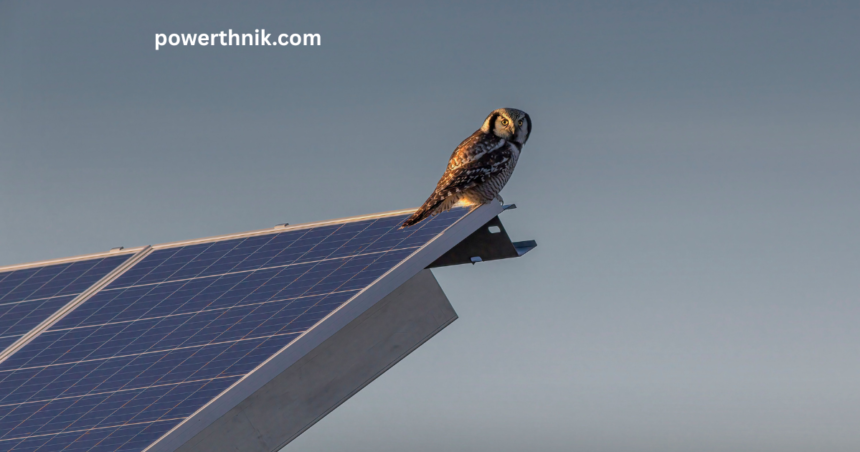
Solar Panel Bird Proofing has become an essential topic for homeowners, since panels create a warm, sheltered spot that birds find hard to resist. Many discover this the first summer after installation, when pigeons and other birds start nesting underneath the panels. Using mesh, spikes, or similar barriers has become essential for protecting both the panels and your roof from nesting related damage.
What Is Solar Panel Bird Proofing?
Solar panel bird proofing means finding ways to prevent birds, especially pigeons, from turning your panels into a permanent home. Panels naturally hold warmth, so birds seek shelter underneath and treat the space as prime nesting spots. A well-fitted setup keeps your solar energy system free from these problems.
Why Do Birds Target Solar Panels?
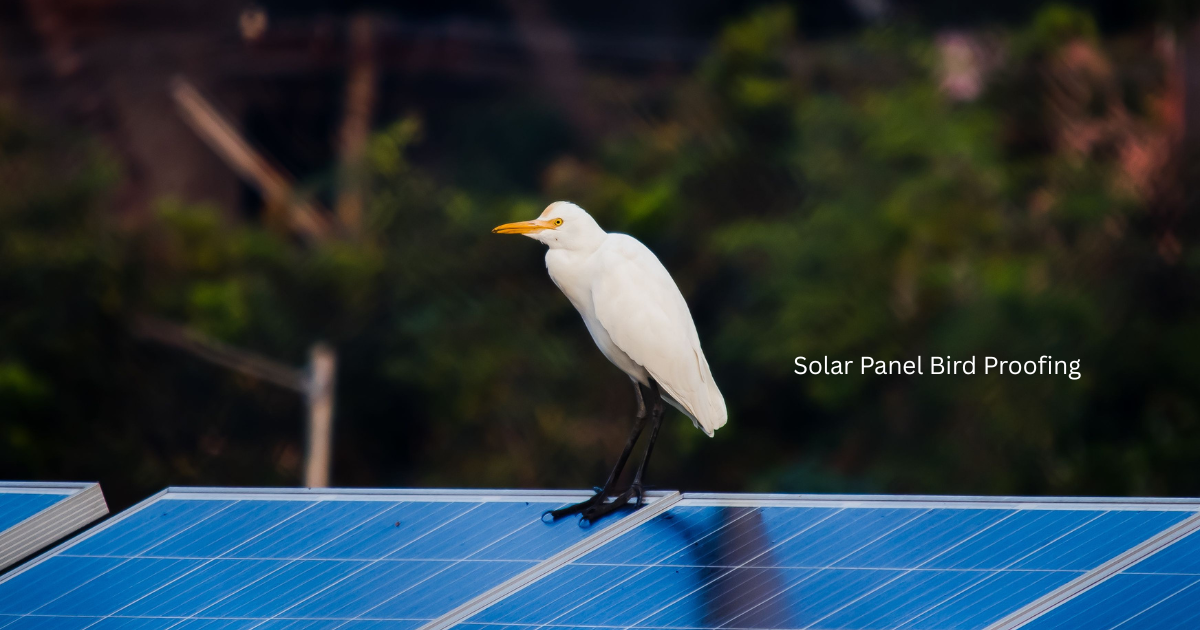
Across Britain, many types of birds land on roofs, and most of the time it’s harmless. The trouble starts once a new solar panel arrangement gives birds a warm ledge to settle on. Nesting birds leave nest materials, feathers, and food debris behind, and combined with bird droppings, this creates a mess no one wants.
Left alone, droppings and debris block the drainage system, leading to roof leaks, while trapped waste creates a nutrient rich environment for vegetation to grow. The ammonia in bird waste can corrode wiring and damage cables I’ve seen a friend’s solar panel system quietly lose output because of this, pushing up maintenance cost. There’s a safety angle too: bird waste is a genuine health hazard, risking infection for any contractor nearby, plus a real fire risk from dry nesting debris near PVC wiring.
Methods to Protect Your Solar Panels From Birds
Installers split solar panel bird proofing into physical barriers and deterrents. Barriers stop birds reaching the panels; deterrents use sounds and smells birds avoid.
Physical Barriers
Mesh guards made from sturdy metal or plastic mesh fit around the edges, letting air flow through while keeping birds out without touching the wiring. Bird spikes thin needle like rods sit along the panel frame to stop landing; premium options like the Defender Solar Panel Bird Spikes use stainless steel, UV stabilised spike strips in heights from 75mm to 150mm, paired with anti topple stabilisers. Netting covers larger areas without any drilling or gluing.
Deterrents
Reflective objects create movements birds dislike, sound emitters produce high frequency sounds, and decoys shaped like fake owls or hawks work as predator decoys. None of these devices affect array performance or power output.
Bird Mesh vs Solar Skirt vs In Roof Systems
Installers also compare bird mesh with solar skirt systems. Bird mesh is more cost effective, ideal for tight corners near chimneys; solar skirt is the premium alternative, using industrial extruded metal clamps around the perimeter, though it costs more near roof obstacles like dormers. GSC style in roof panel setups avoid the debate entirely every legitimate system clips onto the frame, so warranty issues never come up.
In Roof Panel Systems (GSC)
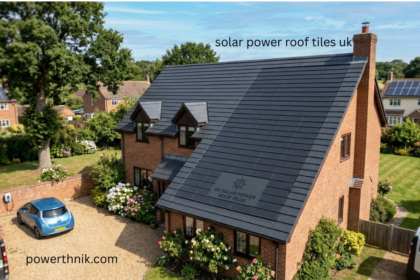
GSC-style in roof panel systems close the gap birds use, since panels sit flush with the roof. Atlantic Renewables whose team has released a video walking homeowners through the available options says these work best on new builds or a full re roof, using two trays per panel fixed in portrait arrangement. The finished look is a watertight surface across a tiled roof, working with concrete, slate, or rosemary clay tiles.
The downside shows during retrofitting the roof must be stripped first, adding skip hire and extra fixings. It’s also not a fully flexible system, since triangular edges on UK roofs can shrink panel count through added edge flashing. Alternatives include Sunfit, limited to compatible panel types at smaller wattage (around 480W), and S4, a newcomer still taking orders rather than fully tested on the market.
Cost of Solar Panel Bird Proofing
Fitting meshes or nets typically runs £50 to £100 per meter, so bird proofing a 2 square meter section usually costs £300 to £600. For a standard domestic system between 3kW and 4kW, expect £400 to £450 plus VAT when bundled with a new solar PV system Spirit Energy, for example, only fits it on new PV systems as an optional extra. ESOLAR offers bird proofing measures from £395 and can install on an existing system anytime; for retrofits, companies like Pestox handle the job.
Benefits of Solar Panel Bird Proofing
Taking the right precautions brings real benefits. Protected panels keep catching full sunlight, so your solar system keeps producing steady electricity without losing efficiency. Good bird protection methods also offer a peaceful solution for wildlife, resolving conflicts between nests and maintenance activities by giving birds safer nesting locations elsewhere. It also guards against potential damage to wiring, since unchecked bird related issues often mean costly repairs or replacements. This upfront cost pays for itself through extended lifespan, improved efficiency, and fewer professional call outs down the line.
DIY vs Professional Installation
Every homeowner faces the same choice: DIY or professionals. DIY bird proofing methods like fitting mesh guards or bird spikes can save money, but they aren’t always as tough or thorough as work from trained experts. Professionals bring the right skills and expertise to fit durable, efficient measures correctly the first time, in a timely manner worth it for the peace of mind alone.
Practical Considerations
During one site survey, a customer asked whether bird mesh could stop a squirrel Atlantic Renewables had no test data on that. Some homeowners combine solutions on one house: a solar skirt on the street facing roof for better aesthetics, paired with plain mesh on the rear facing roof where it isn’t visible a smart way to balance cost.
Warranty Warning
Never let anyone go drilling into the panel frame that kind of penetrating install voids your warranty immediately. Any installer suggesting this should be avoided; legitimate systems simply clamp onto the frame instead.
Conclusion
Solar panel bird proofing isn’t just a nice to have it’s a practical step that protects your investment from droppings, nest debris, and wiring damage that can quietly reduce your system’s output over time. Whether you choose simple mesh guards, bird spikes, a solar skirt, or a fully integrated in roof system, the right solution depends on your roof type, budget, and whether you’re installing fresh panels or retrofitting an existing array. A small upfront cost now can save you far more in repairs, cleaning, and lost efficiency down the line making bird proofing one of the smartest additions to any solar setup.
FAQs solar panel bird proofing
What is solar panel bird proofing?
It’s the process of stopping birds, especially pigeons, from nesting under your panels using mesh, spikes, or similar barriers.
Why do I need bird proofing for my solar panels?
Without solar panel bird proofing, birds leave droppings and nest debris that block sunlight, damage wiring, and cause roof leaks.
How much does solar panel bird proofing cost?
Usually £300–£600 for a small array, or around £400–£450 for a standard 3–4kW system with a new install.
Can I DIY it, or should I hire a professional?
You can DIY solar panel bird proofing with mesh or spikes to save money, but a professional install is more durable.
Does bird proofing void my panel warranty?
No, as long as it’s fitted properly. Legitimate systems clip or clamp onto the frame instead of drilling into it.
What methods are used for solar panel bird proofing?
Mesh guards, bird spikes, and netting, plus deterrents like reflective objects, sound emitters, and decoys.
Will bird proofing stop squirrels too?
It’s mainly built for birds. There’s no solid test data on squirrels, but a solar skirt tends to hold up better than mesh.