
If you want to enjoy your pool for longer without depending entirely on gas or electricity, heating a swimming pool with solar can be a practical option for many UK homes. Solar pool heating uses sunlight to warm water as it moves through specially designed collectors. It works especially well for outdoor pools during spring and summer, when daylight is longer and solar energy is more available.
With the right collector size, installation position, pool cover, and circulation setup, solar heating can reduce the amount of conventional energy needed to maintain comfortable pool water. It also offers a simple way to use renewable energy while keeping the pool ready for regular use.
How Does Heating a Swimming Pool With Solar Work
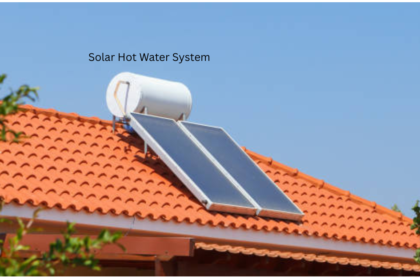
Heating a swimming pool with solar normally uses the pool’s existing circulation and filtration system. A pump moves pool water through the filter and then directs it towards solar collectors. These collectors contain channels or pipes that absorb heat from sunlight. As the water passes through them, it gains heat before returning to the pool.
The cycle continues while suitable solar conditions are available. Some systems circulate pool water directly through the collectors, while other designs use a separate closed loop and a heat exchanger. The exact setup depends on the collector type and installation design.
Why Choose Solar Pool Heating in the UK
For many UK pool owners, heating a swimming pool with solar fits naturally with the months when outdoor pools receive the most use. Spring and summer bring longer daylight hours and generally better solar conditions. This means the system can produce useful heat when homeowners are more likely to want warmer pool water.
Another benefit is the potential reduction in running costs. Sunlight does not need to be purchased, so the solar collector can provide heat without continuously consuming gas or electricity. A well-designed system can therefore reduce the amount of paid energy required for pool heating.
What Equipment Does a Solar Pool Heating System Need
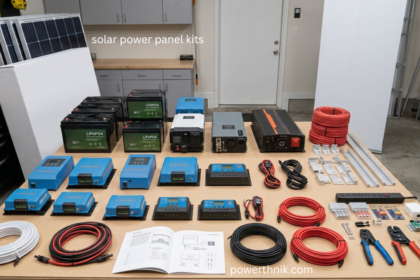
A typical heating a swimming pool with solar setup includes solar collectors, pipework, valves, a circulation pump, filtration equipment, and temperature controls. Some systems also include a heat exchanger. In many installations, the existing pool pump can move water through the solar collectors.
How Much Solar Heating Does a Pool Need
The amount of heating a swimming pool with solar requires depends mainly on the pool’s surface area, collector area, sunlight exposure, and desired water temperature. Pool volume also matters, but surface area is particularly important because exposed water can lose heat to the surrounding air.
A small above-ground pool may need one or a few compact solar mats. A larger in-ground pool can require several collectors covering a greater area. Some designs provide around 40 square feet of collector area, while larger systems can offer 80, 160 square feet, or more.
Where Should Solar Pool Heating Panels Be Installed
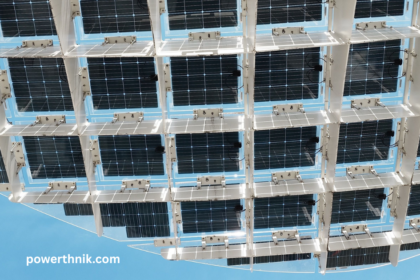
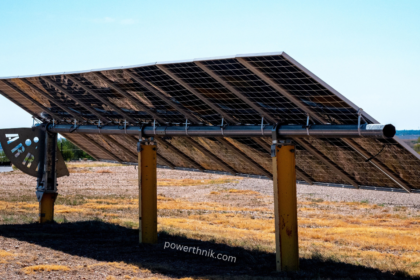
When planning heating a swimming pool with solar, the collector position deserves careful attention. Solar collectors need good exposure to sunlight to collect useful heat. A south-facing roof can work well in many UK locations, but a suitable flat roof, ground rack, building, or poolside structure may also work if it receives enough direct sunlight.
The distance between the collectors and pool or plant room also matters. Keeping the system reasonably close can reduce pipe length and help limit heat losses. Around 25 meters can be practical in some installations, although the best distance depends on the property and system design.
Can Solar Heating Extend the Swimming Season
One reason homeowners consider heating a swimming pool with solar is to make outdoor swimming more comfortable for a longer period. Without additional heating, pool water can become uncomfortable during cooler parts of spring and autumn. Solar collectors can add useful heat when sunlight and weather conditions allow.
Solar pool heating is particularly suitable when the pool is mainly used from late spring through summer. During these months, stronger solar radiation can support the heating process while the pool is in regular use.
However, solar heating does not guarantee a fixed water temperature in every season. Cloudy, windy, and cold conditions can reduce available heat. A pool cover can help retain warmth by reducing heat loss from the water surface. A backup gas or electric heater can also provide extra heat when solar energy cannot meet demand.
Solar Pool Heating vs Gas and Electric Heating
For homeowners comparing heating a swimming pool with solar against gas or electric systems, running costs are an important consideration. Solar thermal systems use sunlight as their heat source, while gas and electric heaters require purchased fuel or electricity whenever they operate.
Gas and electric heaters have an advantage when immediate heat is needed because they can operate independently of sunshine. Solar heating works best when the system is designed around seasonal conditions and available solar energy.
Maintenance and Long-Term Performance
A well-designed heating a swimming pool with solar system can require relatively little routine maintenance. Solar collectors do not burn fuel, and the system can contain fewer moving parts than combustion-based equipment. Regular checks are still important for reliable performance.
An annual inspection can cover collectors, pipework, valves, pump operation, connections, controls, and possible leaks. Components exposed to treated pool water should also be checked for corrosion or chemical damage. Keeping the pool filtration system clean helps maintain suitable water flow.
Best Solar Pool Heater Options for Different Pools
For heating a swimming pool with solar, the collector design should match the size and type of pool. Compact solar mats can suit smaller above-ground pools, while larger polypropylene panel systems can provide the collector area needed by bigger in-ground pools.
Consider the pool surface area, location, sunlight, desired temperature, available mounting space, and pipe distance. Proper sizing helps avoid installing too little collector area or paying for equipment the pool does not need.
Is Heating a Swimming Pool With Solar Worth It
For many UK homeowners, heating a swimming pool with solar can be a useful way to reduce dependence on conventional pool heating. The system uses renewable sunlight, works with familiar pool circulation principles, and can provide valuable heat during the months when outdoor pools are most commonly used.
The best results come from suitable collector sizing, strong solar exposure, good water circulation, and sensible temperature management. A pool cover can further improve efficiency by reducing heat loss, while a backup heater can provide support during poor weather.
Before installation, assess the pool surface area, location, shading, collector position, circulation system, and preferred water temperature. With these factors considered together, solar pool heating can become a practical part of a UK swimming pool setup.
For UK owners, balance collector size, sunlight, pool use, and heat retention so the system performs efficiently through the main swimming season properly.
FAQs About Solar Pool Heating
Can I heat my swimming pool with solar panels?
Yes. Heating a swimming pool with solar can use solar thermal collectors that absorb sunlight and transfer heat into pool water. The system can work with a pump and filtration setup to circulate water through the collector.
Does solar pool heating work in the UK?
Yes. Performance changes with weather and sunlight, but UK outdoor pools can benefit during spring and summer. Correct collector sizing and a suitable installation position can improve results.
Should I use a pool cover with solar heating?
Yes. A pool cover reduces heat loss from the water surface, especially overnight and during cooler weather. It can help retain the warmth added by the solar system.
Can I combine solar heating with a gas or electric heater?
Yes. A combined system can use solar heat when conditions are favorable and conventional heating when extra warmth is required. This can provide greater control during changing UK weather.
What is the best location for solar pool heating panels?
A location with strong, unobstructed sunlight is usually preferable. A suitable south-facing roof can work well in many UK areas, but orientation, shading, roof condition, pipe distance, and collector space should be assessed.
How much maintenance does solar pool heating need?
Solar pool heating generally needs limited routine maintenance. An annual inspection of collectors, pipes, valves, pumps, controls, connections, and possible leaks can help maintain performance.